 By Emily Grant
Preparing for a road trip involves more than just mapping out your route and packing snacks. For many, ensuring personal comfort is paramount, and that often includes considering personal grooming. When it comes to road trip waxing, there’s a surprising amount of conflicting advice out there. I’ve seen clients make choices based on pure fiction, leading to unnecessary discomfort during what should be an enjoyable journey. The truth is, misinformation around pre-travel hair removal is rampant.
Key Takeaways
- Schedule your professional waxing appointment 3 to 5 days before your road trip departure to allow for skin recovery.
- Invest in high-quality aftercare serums and balms containing ingredients like hyaluronic acid and aloe vera to prevent ingrown hairs and soothe skin post-wax.
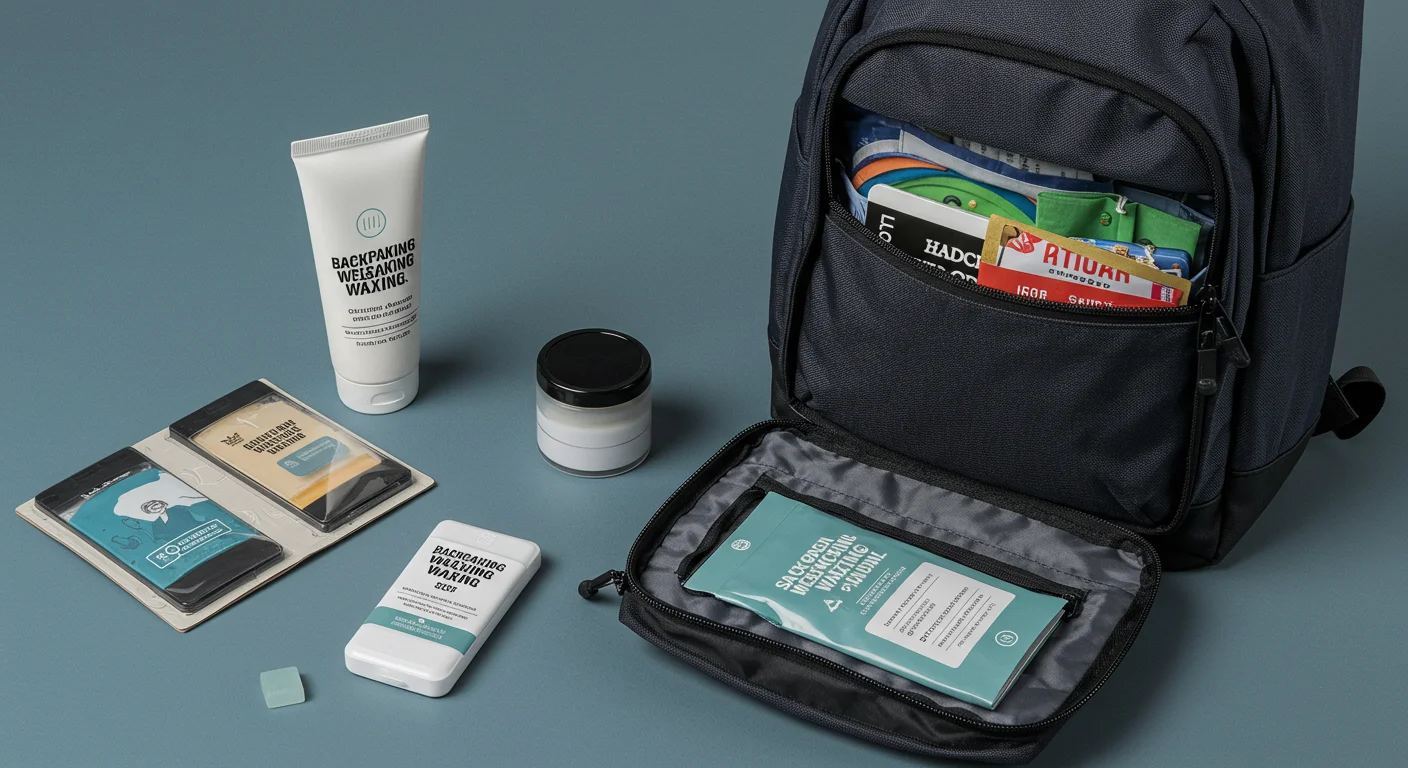
- Pack a small travel kit with gentle cleansers, a soothing mist, and loose, breathable clothing to maintain skin health throughout your long journey.
- Avoid direct sun exposure and harsh chemicals on freshly waxed skin for at least 48 hours to prevent irritation and hyperpigmentation.
Myth 1: Waxing Right Before You Leave Guarantees the Smoothest Trip
This is perhaps the most common misconception I encounter, and it’s a recipe for disaster. I once had a client, let’s call him Mark, who came in for a full back and chest wax the morning of his cross-country drive from Atlanta to Los Angeles. He thought he was being smart, ensuring peak smoothness for his arrival. What he didn’t account for was the immediate post-wax sensitivity. His skin was red, a little bumpy, and incredibly tender. Imagine sitting in a car for 12 hours straight with that kind of irritation. He called me from Amarillo, Texas, utterly miserable, complaining of chafing and itchiness. It was an avoidable ordeal.
The reality is that freshly waxed skin needs time to recover. Professional waxing, while effective, is a form of exfoliation, and it can leave the skin temporarily vulnerable. According to the American Academy of Dermatology Association (AAD), skin can be more sensitive to irritation and sun exposure immediately after waxing. My recommendation, based on over a decade in this industry, is to schedule your waxing appointment three to five days before your departure. This window allows any redness to subside, pores to close, and the skin to calm down significantly. You’ll still enjoy the benefits of long journey comfort without the immediate discomfort of a fresh wax.
Myth 2: Any Wax Will Do for Travel
Some people believe that the type of wax used doesn’t matter as long as the hair is removed. This couldn’t be further from the truth, especially when preparing for a road trip where you’ll be seated for extended periods. The wrong type of wax can lead to more pain, more irritation, and ultimately, a less enjoyable journey. For sensitive areas, or even larger body areas that will experience friction from clothing or seating, the choice of wax is critical.
Beach-ready, wedding-ready, anytime-ready skin
Look and feel your best for every occasion. Find a waxing studio near you and book ahead.
Find a Studio Near You →I am a firm believer in the superiority of hard wax for most body areas, particularly for men. Unlike soft wax, which adheres to both hair and skin, hard wax primarily shrink-wraps around the hair itself. This makes the removal process less painful and significantly reduces skin trauma. A study published in the International Journal of Trichology in 2023 highlighted the benefits of polymer-based hard waxes for reducing post-epilation erythema (redness) compared to traditional soft waxes. When I’m working on a client preparing for a long drive, I always opt for a high-quality, flexible hard wax. It ensures a cleaner pull and minimizes the likelihood of ingrown hairs or irritation that could be exacerbated by continuous sitting. Don’t settle for less; your comfort on the road depends on it.
Myth 3: Aftercare is Optional, Especially for Men
Oh, the number of times I’ve heard this! “I’m a guy, I don’t need all those lotions and potions.” This mindset is a direct path to bumps, ingrown hairs, and general skin misery. Aftercare is not optional; it’s non-negotiable for maintaining travel smooth skin. This is particularly true for men, whose hair tends to be coarser and more prone to ingrown issues.
Post-waxing aftercare serves several vital functions: it soothes the skin, reduces inflammation, prevents bacterial infection, and most importantly, minimizes the risk of ingrown hairs. My go-to recommendation for road trippers is a two-pronged approach. First, immediately after waxing and for the next 24-48 hours, use a calming balm or gel containing ingredients like aloe vera, chamomile, or calendula. These natural anti-inflammatories help reduce redness and sensitivity. Second, introduce an exfoliating serum or spray starting 48 hours post-wax. Look for products with salicylic acid or glycolic acid. A report from the Journal of Clinical and Aesthetic Dermatology in 2024 emphasized the efficacy of alpha and beta hydroxy acids in preventing follicular occlusion, a primary cause of ingrown hairs. I always advise clients to apply these products daily, especially in areas prone to friction. Ignoring aftercare is like building a house without a foundation; it might stand for a bit, but it will eventually crumble.
Myth 4: Sun Exposure Won’t Affect Freshly Waxed Skin
This is a dangerous myth, especially for those embarking on sunny road trips. Whether you’re driving through the deserts of Arizona or along the coast of Florida, direct sun exposure on recently waxed skin can lead to significant problems. Your skin is essentially an open canvas immediately after waxing; the top layer of dead skin cells has been removed, making the new skin underneath far more susceptible to UV damage.
The risks include severe sunburn, hyperpigmentation (dark spots that can be very difficult to get rid of), and increased sensitivity. I had a client who went on a road trip to Miami right after a full leg wax. She spent hours with her legs exposed to the sun through the car window. By the time she arrived, her legs were not only sunburned but had developed an uneven, blotchy tan. It took months of dedicated skincare to even out her skin tone. The Skin Cancer Foundation consistently warns about the dangers of unprotected sun exposure, and this warning is amplified for compromised skin. For at least 48 hours post-wax, avoid direct sun exposure on waxed areas. If you must be in the sun, wear protective clothing or use a broad-spectrum sunscreen with an SPF of 30 or higher, reapplying every two hours. This is non-negotiable for maintaining healthy skin on your journey.
Myth 5: Tight Clothing is Fine After Waxing on a Road Trip
Another common mistake that can turn a pleasant drive into a chafing nightmare. Many people, particularly men, gravitate towards tighter clothing for comfort or style. However, post-waxing, especially on a long journey, tight clothing is your enemy. The friction from snug fabrics can irritate hair follicles, potentially leading to redness, bumps, and ingrown hairs.
When you’re sitting for hours, the constant rubbing of jeans or athletic wear against freshly waxed skin creates an environment ripe for irritation. The lack of air circulation also contributes to moisture buildup, which can foster bacterial growth. My recommendation is to pack and wear loose, breathable clothing made from natural fibers like cotton or linen for your road trip, especially for the first few days after your wax. This allows the skin to breathe, minimizes friction, and promotes healing. Think soft joggers, loose shorts, or comfortable linen pants. This simple change in wardrobe can make a massive difference in your overall comfort and skin health during your travels. We even keep a small selection of bamboo and cotton loungewear at our studio for clients heading out on extended trips, just to drive this point home.
Navigating the world of personal grooming for travel doesn’t have to be complicated, but it does require dispelling some popular myths. By understanding the science behind waxing and embracing proper aftercare, you can ensure your road trip waxing experience contributes to genuine long journey comfort, leaving you feeling truly travel smooth from start to finish. For more tips on preparing for different types of trips, consider our guide on backpacking waxing or how to avoid common honeymoon waxing woes.
How long does professional waxing typically last for a road trip?
A professional wax usually provides smooth skin for about 3 to 4 weeks. This makes it an ideal pre-road trip grooming choice, as it covers the duration of most extended journeys without needing re-application.
Can I swim in a hotel pool immediately after waxing during my road trip?
No, it’s strongly advised to avoid swimming in pools, hot tubs, or natural bodies of water for at least 24 to 48 hours after waxing. The chlorine in pools, along with bacteria in other water sources, can irritate open follicles and lead to infections.
What should I do if I get an ingrown hair during my road trip?
If an ingrown hair appears, avoid picking or squeezing it, as this can worsen irritation or lead to infection. Instead, gently exfoliate the area with a mild scrub or an ingrown hair serum, and apply a warm compress to help the hair come to the surface. Continue with your regular aftercare routine.
Is it okay to use deodorant on freshly waxed underarms before a long drive?
It’s best to avoid antiperspirants and deodorants with harsh chemicals or alcohol for at least 24 hours after waxing your underarms. These can sting and irritate the sensitive skin. Opt for a natural, aluminum-free deodorant or simply clean the area with a gentle cleanser until the skin has settled.
Should I shave between waxing appointments if my road trip is longer than a month?
To maintain the benefits of waxing and ensure the hair grows back uniformly, it’s generally recommended not to shave between appointments. Shaving can disrupt the hair growth cycle and make future waxes less effective. If your trip is extended, consider scheduling a touch-up wax at a reputable studio along your route if possible, or embrace the regrowth until you can get your next professional session.


