 By Emily Grant
Embarking on a multi-week European backpacking adventure sounds idyllic: ancient ruins, vibrant cities, breathtaking landscapes. What often gets overlooked, however, is the logistical nightmare of maintaining personal grooming routines on the road, especially when it comes to hair removal. Nobody wants to deal with stubble, razor burn, or ingrown hairs while navigating cobblestone streets or sharing hostel bathrooms. The problem is clear: how do you achieve backpacking waxing that’s truly low maintenance travel and guarantees a long-term smooth finish?
Key Takeaways
- Pre-trip professional waxing with hard wax offers superior longevity, often lasting three to four weeks, making it ideal for the initial leg of a backpacking trip.
- Aftercare is paramount for extending smoothness and preventing skin issues; integrate a gentle exfoliant and a hydrating serum into your daily routine.
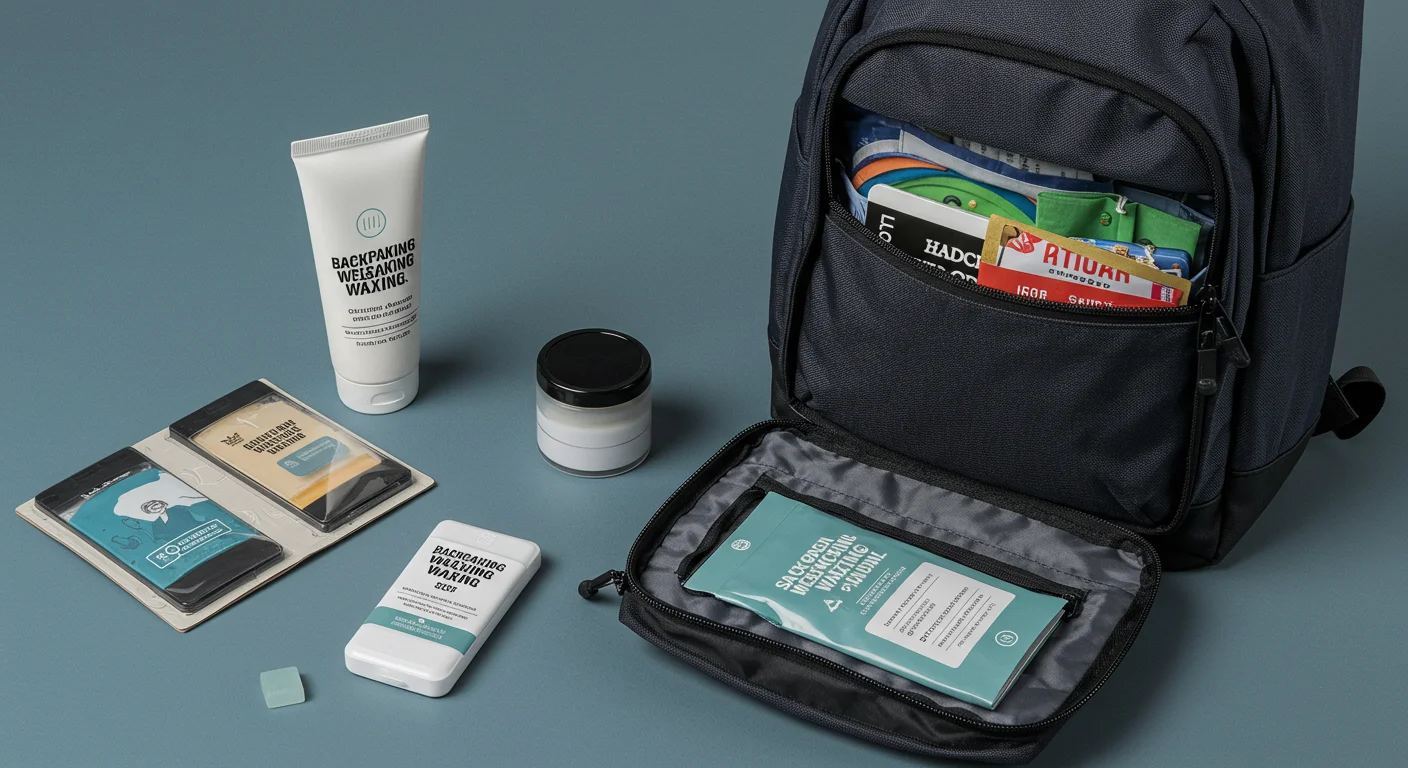
- Pack a travel-sized, high-quality aftercare serum containing ingredients like salicylic acid or tea tree oil to combat ingrown hairs and soothe skin on the go.
- Consider strategic touch-ups with at-home wax strips or a small sugaring kit for trips exceeding four weeks, focusing on less sensitive areas.
- Prioritize hygiene by always washing your hands before touching waxed areas and choosing loose-fitting, breathable clothing to minimize friction and irritation.
What Went Wrong First: The Shave-and-Regret Cycle
I’ve seen it countless times, and frankly, I’ve lived it myself during my younger, less-informed travel days. The default solution for many travelers is to pack a razor. It seems convenient, right? Small, disposable, readily available. But let me tell you, that’s a trap. On my first grand tour of Italy, I thought I was being clever. I’d packed a multi-blade razor and a tiny can of shaving cream. Within three days, I was dealing with prickly regrowth, and by day five, razor burn was a constant companion, especially in the humid Roman summer. Shaving every other day in a cramped hostel shower, often with lukewarm water and poor lighting, was a miserable experience. It ate into my precious sightseeing time, left my skin irritated, and the results were always fleeting. Plus, those tiny nicks and cuts? Not exactly ideal for swimming in the Adriatic Sea. This approach, while seemingly straightforward, creates a continuous cycle of short-term fixes and persistent discomfort, completely undermining the carefree spirit of backpacking.
| Feature | Sugar Waxing Kit | Portable IPL Device | Professional Salon Wax |
|---|---|---|---|
| DIY Friendly | ✓ Easy home application | ✓ Simple at-home use | ✗ Requires appointment |
| Long-Term Smoothness | ✓ Up to 3 weeks | ✓ Months with upkeep | ✓ Up to 4 weeks |
| Travel Size/Weight | ✓ Compact, lightweight kit | ✓ Small, rechargeable device | ✗ Not applicable for travel |
| Initial Cost | ✓ Low upfront expense | ✗ Higher initial investment | ✓ Moderate per session |
| Maintenance Effort | ✓ Regular re-application | ✓ Infrequent touch-ups | ✗ Requires booking visits |
| Skin Sensitivity | ✓ Gentle, natural ingredients | ✓ Some skin types sensitive | ✓ Varies by technician |
| Hair Regrowth Finer | ✓ Noticeable reduction | ✓ Significant, long-term fineness | ✓ Gradual reduction |
The Professional Waxing Solution: Your Pre-Trip Power Move
The real game-changer for long-term smoothness on a backpacking trip starts before you even leave home: a professional waxing service. This isn’t just about hair removal; it’s about setting yourself up for weeks of freedom. I always advise my clients planning extended travel to book their waxing appointment about three to four days before their departure. This allows for any initial redness or sensitivity to subside, leaving you with perfectly smooth skin as you board your flight.
Choosing the Right Wax and Technician
Not all waxes are created equal, especially when you’re aiming for longevity and minimal irritation. For backpacking, hard wax is your best friend. Unlike soft wax, which adheres to both hair and skin and requires strips for removal, hard wax grips only the hair. This makes it significantly gentler on the skin, reducing redness and preventing ingrown hairs, which are a major concern when you can’t access your usual skincare routine. A skilled technician will use a high-quality hard wax that encapsulates the hair, pulling it cleanly from the root. Look for studios that emphasize hygiene, use fresh applicators for every dip, and have certified professionals. A good technician can make all the difference in minimizing discomfort and maximizing results. I once had a client, a seasoned traveler named Sarah, who came to me after a nightmare experience with a discount salon. She’d endured significant bruising and missed hairs. After her session with me using a premium European hard wax, she reported her smoothest, least irritated results ever, lasting well into her three-week journey through Scandinavia. That’s the standard you want.
Get smooth and event-ready
Look and feel your best for every occasion. Find a waxing studio near you and book ahead.
Find a Studio Near You →The Importance of Hair Length and Preparation
For the most effective wax, your hair needs to be about one-quarter to one-half inch long (roughly the length of a grain of rice). Resist the urge to shave for at least two to three weeks prior to your appointment. Exfoliate gently the day before your wax to remove dead skin cells and help prevent ingrown hairs. Hydrate your skin with a good, non-comedogenic moisturizer. These steps ensure the wax can properly grip the hair, leading to a cleaner pull and longer-lasting smoothness.
Maintaining Smoothness on the Road: Aftercare is Non-Negotiable
Getting a professional wax is only half the battle. The true secret to long-term smooth skin while backpacking lies in diligent, yet simple, aftercare. This is where many people falter, thinking “out of sight, out of mind.” Wrong. Neglecting aftercare will bring back all those pesky issues you tried to avoid.
Immediate Post-Wax Care
For the first 24 to 48 hours after your wax, your skin will be a little sensitive. Avoid hot showers, saunas, and direct sun exposure. Wear loose-fitting, breathable clothing made from natural fibers like cotton or linen. This minimizes friction and allows your skin to breathe, reducing the risk of irritation or folliculitis (inflammation of hair follicles). I always tell clients, think of your newly waxed skin like a fresh wound; treat it gently. Skip the heavy lotions and opt for something very light, or even just a cool compress if you’re feeling particularly sensitive.
The Daily Routine: Exfoliate and Hydrate
Once the initial sensitivity subsides (usually by day three), it’s time to introduce your travel-friendly aftercare routine. This is where you prevent ingrown hairs and keep your skin supple. I recommend a gentle chemical exfoliant. Forget abrasive scrubs; they can irritate freshly waxed skin. Instead, look for travel-sized serums or wipes containing salicylic acid or glycolic acid. These alpha and beta hydroxy acids (AHAs and BHAs) work by dissolving dead skin cells that can trap new hair growth, leading to those annoying ingrowns. Apply this once a day, preferably in the evening. Following exfoliation, hydrate your skin with a lightweight, non-comedogenic moisturizer or an aftercare serum specifically designed for waxed skin. These products often contain soothing ingredients like aloe vera or tea tree oil, which also have antiseptic properties. Pack a small bottle of a high-quality aftercare serum; it’s a non-negotiable item for any serious traveler. For instance, a 1-ounce bottle of a serum containing 2% salicylic acid can last you several weeks and is well within TSA liquid limits.
Strategic Touch-Ups for Extended Trips
If your backpacking adventure extends beyond three to four weeks, you’ll likely see some regrowth. This is where you might consider a strategic touch-up. I generally advise against attempting a full re-wax with liquid wax and strips in a hostel bathroom. That’s a recipe for disaster and potential infection. Instead, for smaller areas or lighter regrowth, at-home wax strips can be a viable option. Choose high-quality strips designed for sensitive skin. They are pre-coated and easy to use. Alternatively, some travelers swear by small, portable sugaring kits. Sugaring, an ancient hair removal method using a paste of sugar, lemon, and water, is often less painful than waxing and can be gentler on the skin. The key here is practice. Don’t try a new method for the first time while you’re in a tiny bathroom in Budapest. Practice at home first to get comfortable with the technique. Remember, you’re not aiming for perfection, but rather a quick tidy-up to maintain comfort and confidence. Focus on areas that bother you most and are easier to reach, like legs or underarms, leaving more delicate areas to the professionals if you can find one or waiting until you return home.
The Measurable Results: Freedom and Confidence
The results of this low-maintenance waxing strategy are profound and measurable. First, you gain significant time. Instead of daily or bi-daily shaving, you free up valuable minutes that can be spent exploring, relaxing, or simply sleeping in. Over a three-week trip, this could easily add up to several hours, hours you’d otherwise spend wrestling with a razor in an unfamiliar shower. Second, you experience a dramatic reduction in skin irritation. No more razor burn, fewer ingrown hairs, and generally healthier-looking skin. This directly translates to greater physical comfort, especially when you’re wearing shorts, swimsuits, or activewear in varying climates. Third, and perhaps most importantly, is the boost in confidence. Knowing your skin is smooth and cared for allows you to fully immerse yourself in your travel experiences without self-consciousness. You can spontaneously decide to go for a swim, wear that cute dress, or simply feel good in your own skin, regardless of where you are in the world. My client, David, an avid hiker, used to dread the chafing and irritation he’d get from unshaven legs rubbing against his hiking pants. After adopting this pre-trip waxing and aftercare routine, he reported zero issues on his recent trek through the Dolomites. “It was one less thing to worry about,” he told me, “and honestly, it made the whole experience more enjoyable.” That’s the real win: peace of mind and genuine enjoyment of your adventure, unburdened by grooming woes.
Embracing a pre-trip professional waxing regimen, combined with a simple yet effective aftercare routine, transforms your backpacking experience. It’s about smart preparation, minimizing fuss, and maximizing your enjoyment of the journey, ensuring you remain smooth and confident from departure to return. For more insights on tropical waxing beach prep or how to manage seasonal waxing skin adaptation, explore our other guides. And if you’re curious about the longevity of your results, you might find our article on waxing science particularly enlightening.
How long does a professional wax typically last for a backpacker?
A professional wax, particularly when using hard wax, typically provides smooth results for three to four weeks. This duration can vary slightly depending on individual hair growth cycles and the area waxed, but it’s generally sufficient for the initial and often the longest leg of a backpacking trip.
What kind of aftercare serum should I pack for waxing on a trip?
Pack a travel-sized aftercare serum that contains exfoliating and soothing ingredients. Look for formulations with salicylic acid (2% is common and effective) to prevent ingrown hairs, and ingredients like aloe vera or tea tree oil to calm and hydrate the skin. Ensure it’s non-comedogenic to avoid clogging pores.
Can I get a professional wax while I’m actually backpacking in Europe?
Yes, you absolutely can. Many European cities have professional studios offering waxing services. However, ensure you research salons beforehand, checking reviews for hygiene standards and technician expertise. Language barriers might exist, so having a translation app or knowing the specific terms for the service you need can be helpful. It’s often more convenient to handle the primary waxing before your trip.
What should I do if I get an ingrown hair while traveling?
If you develop an ingrown hair, avoid picking or squeezing it, as this can lead to infection. Continue using your exfoliating serum to help release the hair. Apply a warm compress to the area to soothe it and encourage the hair to surface. If it becomes painful, red, or swollen, seek advice from a local pharmacy or clinic.
Are there any specific clothing recommendations to prevent irritation after waxing while backpacking?
Yes, wear loose-fitting clothing made from natural, breathable fabrics like cotton, linen, or bamboo, especially in the first few days after waxing. Avoid tight clothing, synthetic materials, and anything that creates excessive friction against your skin. This minimizes irritation and allows your skin to recover properly.


