 By Editorial Team
Something’s definitely changing at the Triangle’s fall produce markets. The latest NCDA&CS 2025 Market Report shows specialty heirloom varieties now make up almost 35% of sales at farmers’ markets, a huge jump from just 18% five years back. People are clearly choosing unique, better-tasting options over standard grocery store fare, and this shift is reshaping what ends up on our fall tables and how the local food scene operates.
Key Takeaways
- Heirloom produce varieties are booming, now accounting for over a third of sales at Triangle farmers’ markets.
- Triangle farms are pushing for sustainable and organic growing practices, with 60% of them reporting less use of synthetic pesticides.
- Community-supported agriculture (CSA) program subscriptions jumped 25% as more people want a direct line to the farm.
- Attendance at culinary workshops and farm tours focused on fall flavors is up 40% year-over-year, showing a hunger for hands-on food education.
35% of Farmers’ Market Sales are Heirloom Varieties
That 35% figure for heirloom varieties from the NCDA&CS 2025 Market Report really says it all about where shoppers’ heads are at. It’s a near-doubling of market share for produce that’s often pricier and looks a little less ‘perfect,’ which tells me people are prioritizing incredible flavor and something new over the old standbys. They’re actively hunting down tomatoes like the ‘Brandywine’ or squash varieties such as ‘Triamble’ because the taste is just richer and more complex than what you get from a hybrid, and they’re willing to pay a bit more for that better culinary experience.
This shift also puts local farmers in an interesting position. Growing heirlooms can be a headache, lower yields, more disease-prone, and they don’t ship as well as modern hybrids. But when customers are lining up and willing to pay for them, it creates a real incentive to take on that challenge. You see farms like Happy Acre Farm in Hillsborough (Happy Acre Farm) giving more and more land to these niche crops because they know the demand is solid. This is how smaller, independent farms can really compete, by offering something you can’t get anywhere else and adding to the agricultural diversity of the area. The days of every stall looking the same are over, replaced by a lively mix of colors, shapes, and flavors.
60% of Local Farms Reduce Synthetic Pesticide Use
The Triangle Sustainable Agriculture Coalition (TSAC) found that 60% of our local farms have cut back their use of synthetic pesticides in the last two years, which reflects a huge change in how people are farming around here. When I’m at the Carrboro Farmers’ Market, the talk among farmers is all about cover crops, building habitats for beneficial insects, and smart crop rotations to keep pests away naturally. This is about building a resilient farm that can stand on its own, well beyond just getting an organic certification.
Beach-ready, wedding-ready, anytime-ready skin
Look and feel your best for every occasion. Find a waxing studio near you and book ahead.
Find a Studio Near You →My take is this move away from synthetic pesticides is a direct response to consumers wanting to know exactly where their food comes from and how it’s grown. This shift benefits everyone. We get healthier soil and more nutrient-dense produce, there’s less chemical runoff into our local waterways like Jordan Lake, and it’s a safer place to work for farm laborers. The old argument was that you needed chemicals for high yields, but these sustainable practices are proving to be good business, especially with customers backing them. Just look at Cedar Creek Farm in Chapel Hill. Their use of integrated pest management (IPM) (Cedar Creek Farm) is a perfect example that you can reduce chemical use without sacrificing quality or yield. It benefits both public health and the local ecology.
CSA Subscriptions Jump by 25%
A 25% jump in Community Supported Agriculture (CSA) subscriptions across the Triangle for the fall, reported by the Carolina Farm Stewardship Association (CFSA), shows a real commitment from consumers to connect directly with their food source. It signifies a conscious choice to invest directly in a local farm’s success. The CSA model is simple: you buy a ‘share’ of the harvest upfront, which gives the farmer financial stability, and in return, you get a box of super-fresh, seasonal produce each week. I’ve seen tons of new families in Raleigh and Durham signing up for CSAs, excited to get amazing ingredients and teach their kids about where food comes from.
This growth also points to people seeking authenticity and community in their food choices. In a world of processed everything, the simple act of picking up a box of vegetables that was just pulled from the ground feels grounding and creates a real connection to the land and the people growing the food. For farmers, this direct market channel lets them skip the complicated distribution chain and just focus on growing. The success of programs at places like Transplanting Traditions Community Farm in Chapel Hill (Transplanting Traditions), which works with refugee farmers, shows how CSAs can also build community. The mutual benefit of the CSA model is resonating with more Triangle residents, making it a key part of our local food economy.
40% Increase in Culinary Workshop Attendance
The Triangle Food Council’s 2025 Annual Report shows a 40% year-over-year spike in people attending culinary workshops and farm tours for fall flavors, and this is all about experiential engagement with food. People don’t want to just buy ingredients anymore. They want to know the story, learn how to prepare things, and connect with their meals on a deeper level. Workshops on pickling fall vegetables, making artisanal ciders, or even foraging for wild mushrooms are selling out fast. It reflects a cultural move toward food as an experience, not just fuel.
I think this is driven by a need for real skills and real connection. With so much of our lives happening online, a hands-on cooking class or a farm tour is a welcome change of pace. Is there a better way to spend a Saturday? You get to learn directly from a local chef or farmer, actually touch the ingredients, and share food with people. This engagement creates smarter consumers who appreciate what they’re buying, which in turn supports the whole local food system. The popularity of events at the American Tobacco Campus in Durham, with its seasonal cooking demonstrations, shows how these educational opportunities are becoming a huge part of the Triangle’s food scene. It’s an investment in knowledge and community, and the numbers show its appeal.
Challenging the Conventional Wisdom: Local Produce is Always More Expensive
There’s this idea that local, sustainably grown produce is always way more expensive than what’s at the supermarket. While that can be true for some niche items or out of season, this belief overlooks the critical difference between price and value. From what I see working with farmers and markets across the Triangle, the price difference for fall staples is often tiny, and sometimes the local stuff is actually cheaper. When sweet potatoes or collard greens are at their peak in October, you can often get a better per-pound price at a farmers’ market, especially if you buy a lot, because you’re buying direct from the grower. You’re not paying for a long supply chain, fancy packaging, or a big marketing budget.
Plus, the perceived higher cost doesn’t account for the superior quality and freshness you get with local produce. A tomato picked yesterday from a farm in Chatham County will undoubtedly last longer in your fridge and taste better than one shipped across the country, which means less food waste in your kitchen and a more enjoyable meal. The nutritional density of freshly harvested vegetables that haven’t spent days in transit also provides real, if intangible, value. So while one local organic apple might cost slightly more, the overall economic and health benefits often favor buying local. It’s about the true cost of food, not just the sticker price. Consumers focused only on the price tag are missing the broader value our local food systems provide.
The way Triangle food culture is changing, especially with its embrace of fall produce, is all about a move toward authenticity, sustainability, and a direct connection to local agriculture. When we support our local markets and farms, we’re building a stronger, better-tasting, and more community-driven food system. As you plan holiday meals, knowing these trends can help, for instance, seeing what 70% of families will eat can give you some ideas for your own fall produce shopping.
What are some popular heirloom fall produce varieties found in the Triangle?
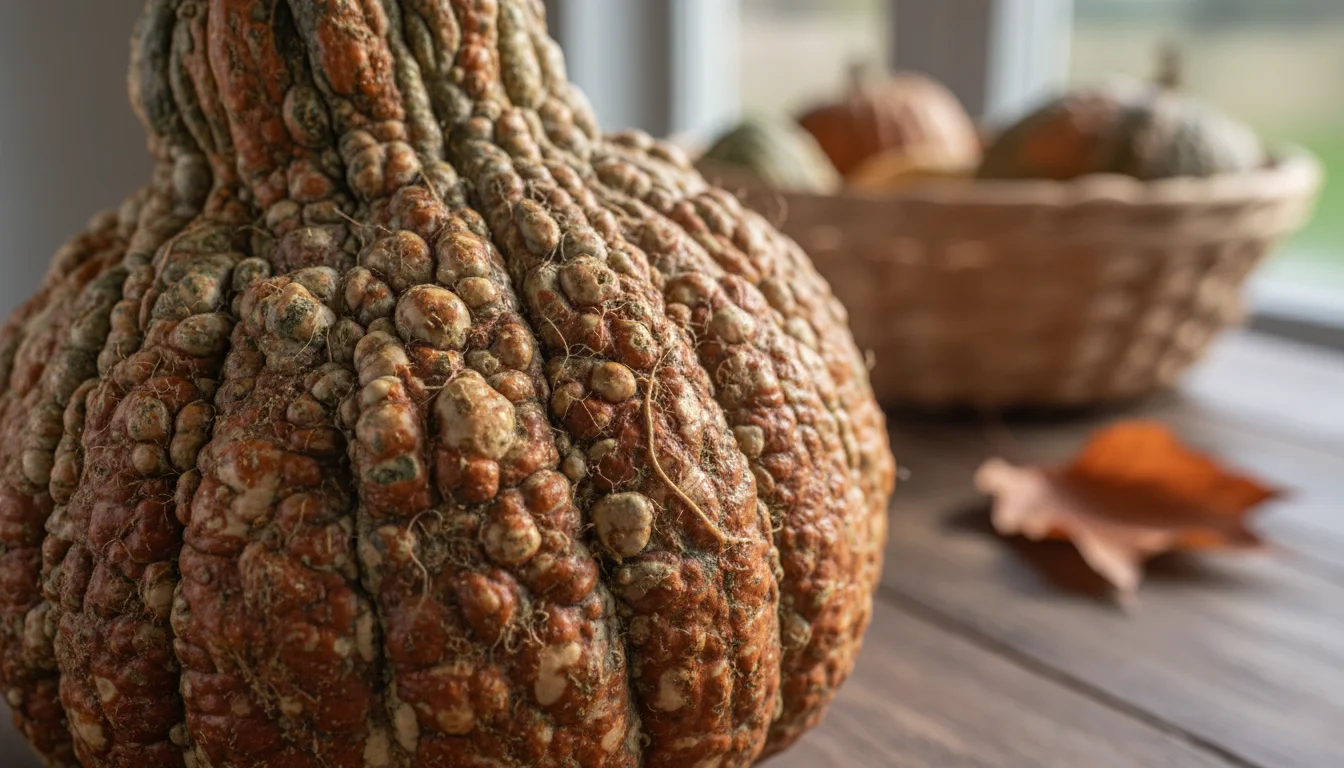
Popular heirloom fall produce varieties you’ll see in the Triangle are ‘Cherokee Purple’ tomatoes, ‘Galeux d’Eysines’ pumpkins (the ones with the peanut-like warts), ‘Black Futsu’ squash, and even ‘Carolina Gold’ rice, all known for amazing flavor and local history.
How can I find local farmers’ markets in the Triangle?
You can find local farmers’ markets by checking the websites for the Carrboro Farmers’ Market, Durham Farmers’ Market, or the State Farmers’ Market in Raleigh. They all list their vendors, hours, and what’s in season.
What is Community Supported Agriculture (CSA)?
Community Supported Agriculture (CSA) is a model where you buy a “share” of a farm’s harvest at the beginning of the season and get a box of fresh, seasonal produce directly from that farmer every week.
Are there opportunities to learn about cooking with fall produce in the Triangle?
Yes, lots of local places in the Triangle, like the Durham Food Hall and various community centers, offer cooking classes and workshops that focus specifically on how to prepare seasonal fall produce.
Why is supporting local farms important for the Triangle area?
Supporting local farms keeps money in the regional economy, helps preserve farmland from development, cuts down on the environmental costs of shipping food, and gives Triangle residents access to fresher and more nutritious food.


