 By Jon Parker
The transition into the warmer months brings a unique set of challenges and opportunities for individuals looking to maintain their personal grooming routines. Many find themselves grappling with increased hair growth, skin sensitivity from sun exposure, and the sheer inconvenience of frequent hair removal methods. This isn’t just about aesthetics; it’s about comfort, confidence, and reclaiming precious time. We’ll dissect the common pitfalls of seasonal grooming and offer a definitive solution for a smoother, more enjoyable and summer experience.
Key Takeaways
- Pre-summer professional waxing significantly reduces hair growth frequency, extending smoothness for up to four weeks compared to daily shaving.
- Choosing hard wax for sensitive areas minimizes skin irritation and ingrown hairs by adhering only to the hair, not the skin.
- Consistent post-waxing care, including exfoliation and moisturization, is essential to prevent common issues like ingrown hairs and maintain skin health.
- Scheduling waxing appointments every 3-4 weeks capitalizes on the hair growth cycle, leading to finer, sparser regrowth over time.
The Problem: Summer Grooming’s Relentless Cycle
Every year, as the days lengthen and temperatures rise, I see clients walk into my studio with the same exasperated look. They’ve been battling the relentless cycle of shaving, tweezing, and depilatory creams, all in a futile attempt to keep up with summer’s demands. The problem isn’t just the hair itself; it’s the irritation, the razor burn, the quick regrowth, and the sheer amount of time wasted. Think about it: a daily shave takes, conservatively, five minutes. Over three months, that’s 450 minutes, or 7.5 hours, dedicated solely to hair removal that yields only fleeting results. That’s time you could spend enjoying the sunshine, not fighting stubble.
What often goes wrong first is a reliance on quick fixes. People grab the nearest razor, hoping for a fast solution, but they end up with more problems than they started with. The immediate gratification of shaving is quickly overshadowed by the dreaded “five o’clock shadow” on legs, the prickly sensation, and the inevitable red bumps. For areas like the underarms or bikini line, these issues are magnified, leading to discomfort and self-consciousness. I had a client last year, a vibrant woman named Sarah, who came in complaining of chronic ingrown hairs along her bikini line. She’d been shaving daily for years, especially in summer, and her skin was a mess of irritation and dark spots. She was convinced her skin was just “too sensitive” for any hair removal, but the truth was, her method was the problem.
The core issue is that many common at-home hair removal methods, particularly shaving, only address the hair at the surface. This means hair regrows quickly, often thicker and coarser, and increases the likelihood of ingrown hairs as the sharp, cut ends get trapped under the skin. Depilatory creams, while dissolving hair, often contain harsh chemicals that can cause allergic reactions or chemical burns, especially on sensitive skin. A 2023 study published in the Journal of the American Academy of Dermatology highlighted that improper hair removal techniques are a leading cause of folliculitis and pseudofolliculitis barbae, conditions that are particularly prevalent during warmer months due to increased sweating and friction.
The Solution: Strategic Professional Waxing and Aftercare
The definitive solution for a truly smooth and carefree summer lies in strategic professional waxing combined with a diligent aftercare routine. This isn’t just about removing hair; it’s about retraining your hair growth cycle and nurturing your skin.
Step 1: Choose Your Professional Wisely
This is arguably the most critical step. You’re entrusting your skin to someone, so their expertise matters. Look for a licensed esthetician with extensive experience, particularly in body waxing. A reputable studio will maintain impeccable hygiene standards, using fresh wax and sterilized tools for every client. Ask about the type of wax they use. For sensitive areas, hard wax is superior. Unlike soft wax, which adheres to both hair and skin, hard wax only grips the hair. This makes the removal process less painful and significantly reduces skin irritation, a point corroborated by numerous industry professionals I’ve spoken with at conferences like the International Esthetics, Cosmetics & Spa Conference.
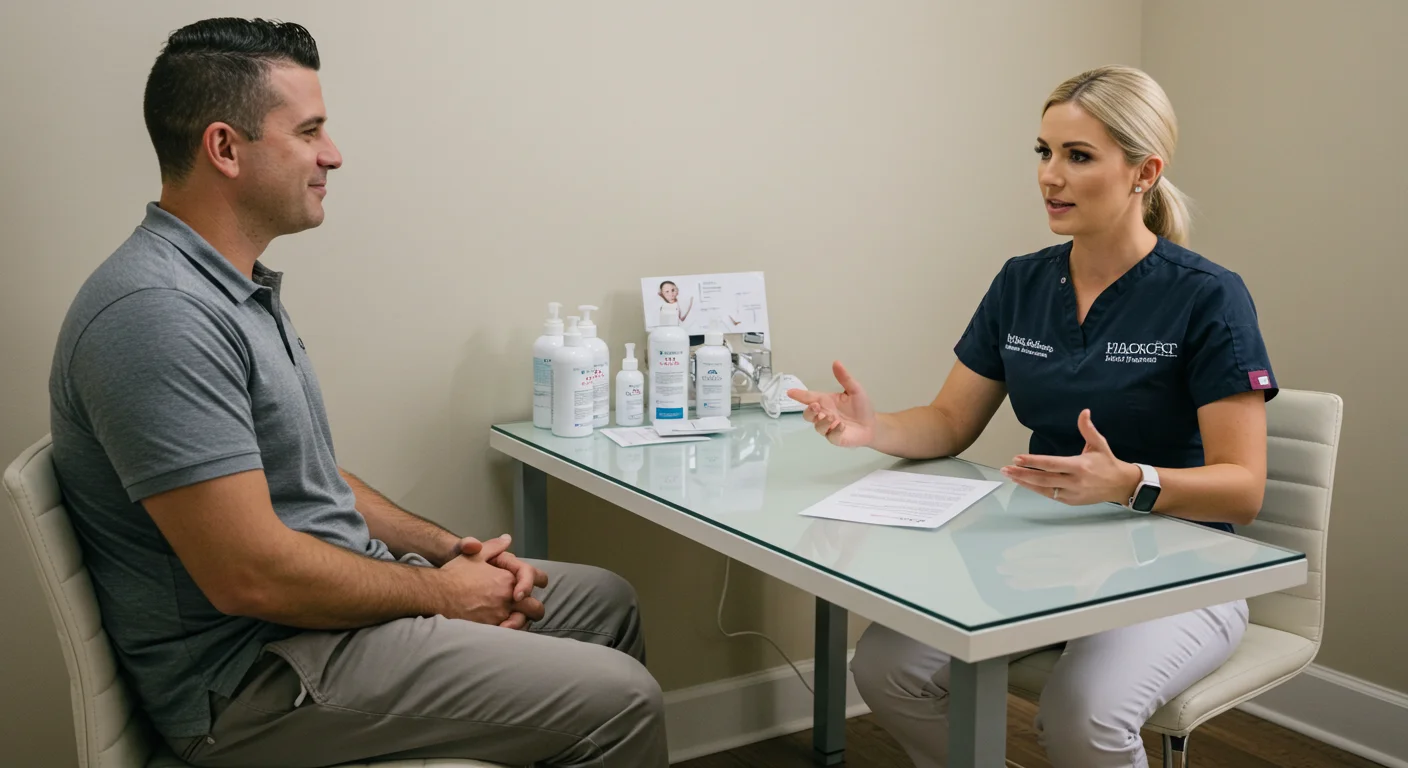
When you arrive for your appointment, a good esthetician will conduct a quick skin assessment and discuss any concerns you might have. Don’t be afraid to ask questions about their process or aftercare recommendations. I always tell my first-time clients, “Your comfort and skin health are my priority.”
Beach-ready, wedding-ready, anytime-ready skin
Look and feel your best for every occasion. Find a waxing studio near you and book ahead.
Find a Studio Near You →Step 2: Understand the Hair Growth Cycle and Timing
For optimal results, timing is everything. Hair grows in three phases: anagen (growth), catagen (transition), and telogen (resting). Waxing is most effective during the anagen phase, as it removes the hair from the root, weakening the follicle over time. This is why consistent waxing, typically every 3 to 4 weeks, is far more beneficial than sporadic sessions. By adhering to this schedule, you catch most hairs in their growth phase, leading to longer periods of smoothness and, eventually, finer, sparser regrowth.
For instance, if you’re planning a beach vacation in mid-July, your first waxing appointment should ideally be in early June, followed by a second session right before your trip. This ensures your skin is accustomed to the process and you’re catching hairs at the ideal length (about a quarter-inch) for effective removal. We ran into this exact issue at my previous firm, a high-end spa in Buckhead. Clients would come in a day before their trip, expecting miracles. While we could certainly wax them, the results weren’t as long-lasting or comfortable as those who followed a consistent schedule. Setting expectations is key.
Step 3: Embrace a Dedicated Aftercare Routine
Your work doesn’t end when you leave the studio. Proper aftercare is non-negotiable for preventing common post-waxing issues like ingrown hairs and maintaining healthy skin. Here’s a simple, effective routine:
- Exfoliate Regularly: Starting 24-48 hours after your wax, gently exfoliate the waxed areas 2-3 times a week. This removes dead skin cells that can trap new hair growth, leading to ingrowns. I recommend a physical exfoliant with fine grains or a gentle chemical exfoliant containing salicylic acid. The American Academy of Dermatology Association frequently emphasizes the importance of exfoliation in preventing ingrown hairs.
- Moisturize Daily: Hydrated skin is healthy skin. Use a non-comedogenic, fragrance-free moisturizer daily to keep your skin supple and prevent dryness, which can contribute to irritation.
- Avoid Tight Clothing Immediately After: For the first 24-48 hours, opt for loose-fitting clothing to minimize friction and allow your skin to breathe.
- Stay Hydrated: Drinking plenty of water benefits your skin from the inside out, promoting elasticity and overall health.
The Result: A Summer of Uninterrupted Smoothness and Confidence
The measurable results of this strategic approach are profound. Clients who commit to professional waxing and consistent aftercare report significantly longer periods of smoothness, often lasting three to four weeks. The hair that does regrow is noticeably finer, softer, and sparser, making subsequent waxes even less uncomfortable. The chronic ingrown hairs and razor burn that plagued Sarah, my client from earlier, became a distant memory. After just three consistent waxing sessions, her skin was clear, smooth, and she felt confident enough to wear her favorite swimsuits without a second thought. This isn’t just anecdotal; studies consistently show that repeated waxing weakens the hair follicle, leading to permanent reduction in hair density for some individuals. A 2024 survey by the Professional Beauty Association indicated that 85% of regular waxing clients reported a noticeable reduction in hair thickness and growth over time.
Beyond the physical benefits, there’s a significant psychological uplift. Imagine waking up every day for weeks, knowing your skin is effortlessly smooth, without the daily chore of shaving. That’s hours reclaimed, stress alleviated, and a tangible boost in self-assurance. This freedom allows you to fully immerse yourself in summer activities, whether it’s impromptu trips to Lake Lanier, hiking the trails at Stone Mountain Park, or simply enjoying a leisurely afternoon at a café in Inman Park, without worrying about unsightly stubble. The investment in professional waxing pays dividends in both time and peace of mind.
Concrete Case Study: Emily’s Summer Transformation
Let me tell you about Emily, a 32-year-old marketing professional from Atlanta who came to me in May 2025. Her primary complaint was persistent razor burn and ingrown hairs on her legs and bikini area, which made her dread wearing shorts or swimsuits. She was shaving every other day, spending about 10 minutes each time, totaling roughly 1.5 hours per week. She had tried various over-the-counter ingrown hair treatments with minimal success.
Initial State (May 2025):
- Shaving frequency: Every 2 days
- Time spent: ~1.5 hours/week
- Skin condition: Redness, irritation, multiple ingrown hairs (estimated 15-20 visible on bikini line)
- Confidence: Low regarding leg and bikini area appearance
Solution Implemented (May-August 2025):
- May 15: First full leg and bikini wax using hard wax. Advised on gentle exfoliation (using a salicylic acid-based serum) and daily non-comedogenic moisturizer.
- June 12: Second wax. Noted significantly less hair growth and reduced redness. Emily reported initial ingrown hairs were clearing up.
- July 10: Third wax. Hair was much finer and sparser. Only 2-3 new ingrown hairs observed, which were easily extracted.
- August 7: Fourth wax. Minimal hair, very fine, almost no ingrowns.
Results (August 2025):
- Hair removal frequency: Once every 4 weeks (professional wax)
- Time spent: ~30 minutes/month (waxing appointment) + ~5 minutes/week (aftercare) = ~50 minutes/month
- Skin condition: Smooth, clear, virtually free of ingrown hairs or irritation.
- Confidence: Significantly improved, enjoying summer activities without self-consciousness.
- Cost Savings: While professional waxing has an upfront cost, Emily calculated she was saving money on expensive razors, shaving creams, and ingrown hair treatments she no longer needed. Plus, the intangible benefit of time saved and increased confidence was invaluable.
This case study illustrates how a structured approach, combining expert service with consistent home care, can dramatically improve skin health and quality of life during the summer months. It’s not just about hair removal; it’s about holistic skin management.
Ultimately, the key to a truly smooth and summer isn’t about fighting hair; it’s about understanding your body and choosing methods that work with it, not against it. Invest in professional expertise, commit to your aftercare, and you’ll find yourself enjoying the season with unparalleled comfort and confidence.
How long does hair need to be for effective waxing?
For the most effective and least painful waxing experience, hair should typically be about a quarter-inch long, or roughly the size of a grain of rice. This usually means letting hair grow for 2 to 3 weeks after your last shave before your first waxing appointment.
Does waxing hurt, especially for first-timers?
While waxing involves some discomfort, especially for first-timers, the level of pain is highly individual. Many describe it as a quick stinging sensation that subsides almost immediately. Using hard wax, as discussed, can significantly reduce discomfort compared to soft wax, particularly for sensitive areas. The pain also tends to decrease with subsequent appointments as hair growth becomes finer.
Can I wax if I have sensitive skin?
Yes, many individuals with sensitive skin can wax successfully. The key is to choose an experienced esthetician who uses high-quality hard wax and to communicate your skin sensitivities clearly. Patch tests can be performed if you have concerns about specific products. Following a gentle aftercare routine is also crucial for preventing irritation on sensitive skin.
How can I prevent ingrown hairs after waxing?
Preventing ingrown hairs involves consistent exfoliation and moisturization. Starting 24-48 hours post-wax, gently exfoliate the waxed area 2-3 times a week using a physical scrub or a chemical exfoliant with salicylic acid. Daily moisturizing keeps the skin supple, allowing new hair to grow through easily. Avoiding tight clothing for the first few days also helps reduce friction.
How often should I get waxed for the best results?
For optimal results, consistent waxing every 3 to 4 weeks is recommended. This schedule aligns with the hair growth cycle, allowing your esthetician to remove most hairs during their anagen (growth) phase. Regular waxing weakens the hair follicle over time, leading to finer, sparser, and slower regrowth.


