 By Emily Grant
Sarah, an avid hiker and rock climber from Athens, Georgia, had always embraced the rugged beauty of the outdoors. Her annual pilgrimage to the Appalachian Trail, specifically the sections winding through North Georgia’s Amicalola Falls State Park and the Cohutta Wilderness, was a highlight. These trips were about disconnecting, challenging herself, and enjoying nature’s raw splendor. However, by her 2024 trip, she noticed a persistent issue: the discomfort of maintaining personal grooming in remote settings. She wasn’t seeking salon-perfect results out in the wilderness, but the irritation from shaving, coupled with the logistical nightmare of carrying razors and creams, was detracting from her experience. This friction, quite literally, made her consider alternative solutions for her camping waxing needs and overall outdoor travel smoothness. Could there be a way to combine her love for the wild with a practical approach to personal care?
Key Takeaways
- Pre-trip professional hair removal offers up to four weeks of smoothness, significantly reducing grooming needs during extended outdoor excursions.
- Choose hydrating, fragrance-free aftercare products to prevent irritation and ingrown hairs, especially in environments with limited hygiene facilities.
- Pack lightweight, biodegradable cleansing wipes and a small, absorbent towel for effective post-activity clean-up without harsh chemicals.
- Opt for breathable, moisture-wicking clothing made from natural fibers like merino wool to minimize friction and maintain skin health in varied outdoor conditions.
- Schedule hair removal appointments 3-5 days before departure to allow for any post-treatment sensitivity to subside before physical activity begins.
The Outdoorsy Dilemma: Balancing Adventure and Personal Comfort
Sarah’s problem is not unique. Many outdoor enthusiasts grapple with how to maintain personal comfort and hygiene when away from modern amenities. The allure of untouched field often means sacrificing daily routines. For Sarah, the issue wasn’t vanity. It was practicality and comfort. Shaving in a tent with limited water supplies felt unsanitary and often led to nicks and razor burn, which, in a humid environment, could become infected. This was particularly true around her underarms and legs, areas prone to chafing during long hikes.
Her initial attempts at managing body hair on previous trips involved disposable razors and small bottles of shaving cream. “It was a messy affair,” she recounted, speaking from her home in the Five Points neighborhood of Athens. “I’d try to conserve water, using just a few ounces to rinse, and still end up with stubble by day three. The worst part was the ingrown hairs, especially when wearing tight hiking pants.” This frustration led her to research more sustainable and long-lasting options. She wanted a solution that would free her from daily maintenance, allowing her to focus entirely on the trail ahead, whether she was working through the rocky climbs near Blood Mountain or kayaking the Toccoa River.
The Pre-Trip Preparation: A Shift Towards Professional Hair Removal
The turning point came when a friend suggested professional hair removal. Sarah had always considered it a luxury, something for special occasions, not for preparing to sleep under the stars. However, the promise of weeks of smooth skin without daily effort was compelling. She booked an appointment for a full leg and underarm service a week before her next multi-day trip into the Chattahoochee National Forest.
Expert advice emphasizes that professional hair removal, particularly using hard wax, can be a big deal for outdoor activities. Unlike shaving, which merely cuts hair at the skin’s surface, waxing removes hair from the root. This results in slower regrowth, often finer hair, and significantly less irritation over time. According to data published by the American Academy of Dermatology Association, waxing can provide smoothness lasting between three to six weeks, depending on individual hair growth cycles. This extended period of hair-free skin directly addresses the core problem Sarah faced: the need for minimal maintenance in remote settings.
“I was skeptical at first,” Sarah admitted. “I worried about pain and if it would truly last. But the technician explained the process, focusing on hygiene and aftercare, which was critical for my outdoor plans.” The technician recommended scheduling the appointment three to five days before her departure. This important buffer period allows any post-waxing sensitivity or redness to subside completely, ensuring her skin was calm and ready for the rigors of hiking and camping. This specific timing is a detail many first-timers overlook, often leading to discomfort if they wax too close to their adventure.
Get smooth and event-ready
Look and feel your best for every occasion. Find a waxing studio near you and book ahead.
Find a Studio Near You →Aftercare in the Wild: Maintaining Smoothness on the Go
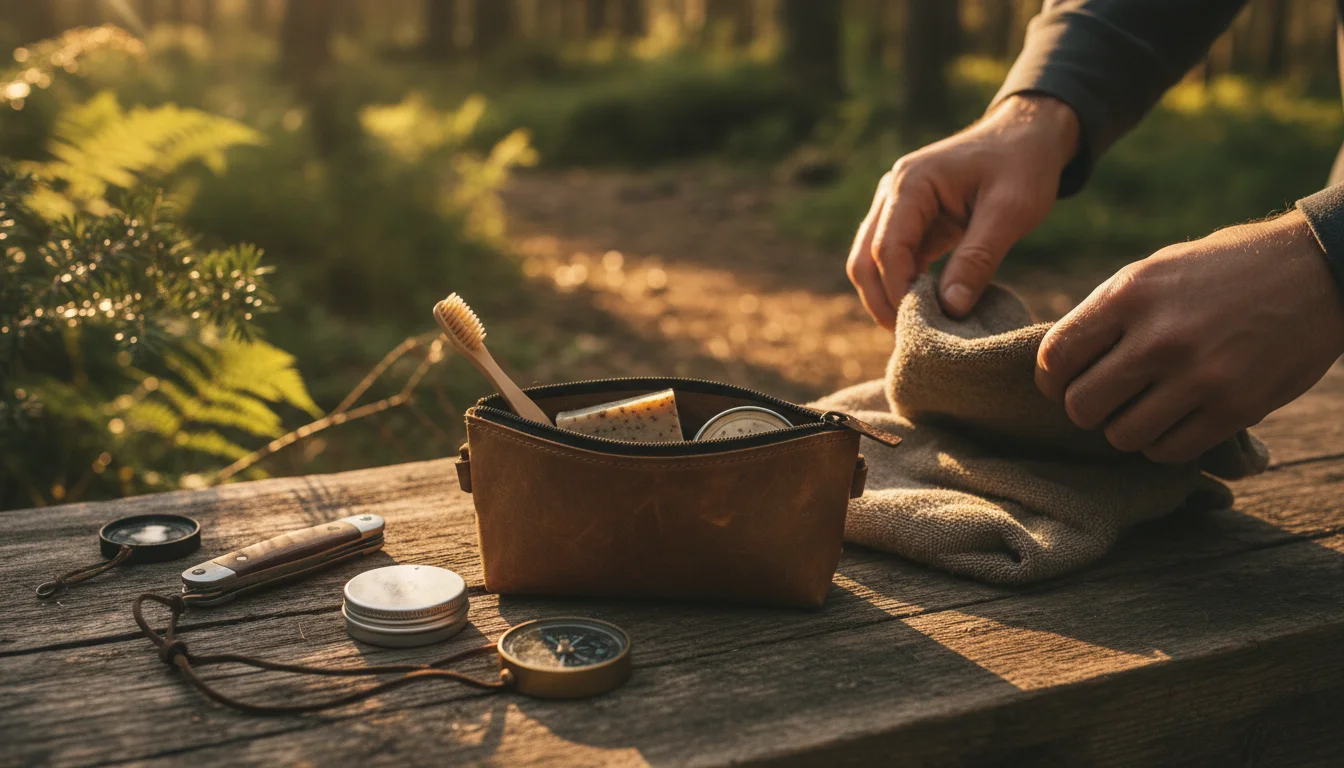
The real test of this new approach came during her week-long trek along the Benton MacKaye Trail. Sarah had followed all the pre-trip advice: her skin was smooth, and she packed a minimalist aftercare kit. This kit included a small bottle of fragrance-free, alcohol-free moisturizer and a few individually wrapped, biodegradable cleansing wipes. She avoided harsh soaps and opted for quick rinses with natural spring water when available, always followed by a light application of moisturizer to prevent dryness and reduce the chance of ingrown hairs.
“The difference was incredible,” she reported enthusiastically. “No razor burn, no stubble, no worrying about finding a private spot to shave. I felt cleaner, and my clothes fit more comfortably without that constant friction.” She also made a conscious choice to wear specific clothing. For instance, her base layers were made of merino wool, known for its moisture-wicking and odor-resistant properties, which are invaluable for extended wear in the outdoors. Loose-fitting cotton shorts for camp evenings also helped her skin breathe.
One common misconception is that aftercare for waxed skin requires a full regimen. For outdoor enthusiasts, simplicity and effectiveness are key. The goal is to keep the skin hydrated and clean without introducing irritants. A gentle exfoliation with a soft cloth or a very mild scrub, used sparingly, can also help prevent ingrown hairs, though Sarah found that consistent moisturizing was sufficient for her. Research on skin barrier function highlights the importance of maintaining skin hydration, especially when exposed to environmental stressors like wind and sun, which are common during outdoor activities.
Beyond the Trail: Long-Term Benefits for an Active Lifestyle
Sarah’s experience highlights a broader truth: professional hair removal isn’t just about aesthetics. It’s about practical comfort and hygiene, especially for those with active lifestyles. For individuals who frequently engage in activities like swimming, cycling, or backpacking, the reduction in daily grooming time and the elimination of common irritations like razor burn and chafing can significantly enhance their quality of life. This isn’t just about looking good. It’s about feeling good and being unencumbered by minor discomforts that can escalate into larger issues in challenging environments.
Consider the benefits beyond just hair removal. Less hair means less surface area for sweat and bacteria to cling to, potentially reducing body odor. For athletes, this can be a small but meaningful advantage. For those like Sarah, who prioritize immersion in nature, it means one less thing to manage, one less worry to pack. The environmental aspect is also worth noting. Reducing the use of disposable razors and chemical-laden shaving creams contributes to a more sustainable approach to personal care, aligning with the values of many outdoor enthusiasts.
The journey from struggling with razors in a tent to embracing professional hair removal transformed Sarah’s outdoor experiences. She found that investing in pre-trip preparation allowed her to fully enjoy the natural world around her, whether it was the stunning views from Brasstown Bald or the peaceful solitude of a campsite by a mountain stream. Her story isn’t just about smooth skin. It’s about optimizing her adventure, proving that sometimes, the best gear isn’t something you carry on your back, but a choice you make before you even hit the trail.
Common Pitfalls and How to Avoid Them
While Sarah’s experience was positive, there are common mistakes people make when incorporating hair removal into their outdoor routine. One significant error is waiting until the last minute. Rushing a waxing appointment right before a trip can lead to skin sensitivity at the start of your adventure, which is precisely what you want to avoid. Always aim for that 3-5 day buffer. Another mistake is neglecting aftercare, even in primitive settings. Skipping moisturizer or using harsh soaps can quickly lead to dry, irritated skin or ingrown hairs, negating the benefits of the initial treatment.
Plus, choosing the wrong type of hair removal can be detrimental. While depilatory creams might seem convenient, many contain strong chemicals that can cause allergic reactions, especially on sensitive skin, and are not ideal for use in natural environments where proper rinsing is difficult. Shaving, as Sarah discovered, is a short-term fix that often creates more problems than it solves in a wilderness context. For lasting smoothness and minimal fuss, a professional service remains the most effective option.
Finally, consider the climate and conditions of your trip. In hot, humid environments, skin is more prone to sweat and friction, making proper cleansing and breathable clothing even more critical. In colder, drier climates, moisturizing becomes paramount to prevent chapping and discomfort. Adapting your aftercare strategy to your specific outdoor destination ensures maximum comfort and skin health.
Sarah’s story is proof of how thoughtful preparation can enhance even the most rugged adventures. By embracing professional hair removal and a mindful aftercare routine, she eliminated a common source of discomfort, allowing her to connect more deeply with the wilderness she loves. Her approach to camping waxing and outdoor travel personal care shows a simple truth: preparedness leads to enjoyment.
How long does professional hair removal typically last for outdoor activities?
Professional hair removal, such as waxing, generally provides smoothness for three to four weeks, making it ideal for multi-day outdoor trips without the need for touch-ups.
What aftercare products are essential for maintaining smooth skin in outdoor environments?
Essential outdoor aftercare includes a fragrance-free, alcohol-free moisturizer to prevent dryness and irritation, and biodegradable cleansing wipes for hygiene when water is scarce.
When should I schedule my hair removal appointment before a camping trip?
It is recommended to schedule your professional hair removal appointment 3 to 5 days before your departure to allow any potential skin sensitivity to subside before engaging in physical activities.
Can hair removal reduce chafing during hikes or other outdoor sports?
Yes, removing hair can significantly reduce friction and chafing, especially in areas like the inner thighs and underarms, which are prone to irritation during prolonged physical activity.
Are there any specific clothing recommendations for maintaining waxed skin during outdoor adventures?
Opt for breathable, moisture-wicking fabrics like merino wool for base layers and loose-fitting clothing made from natural fibers to minimize friction and allow skin to breathe, preventing irritation.


