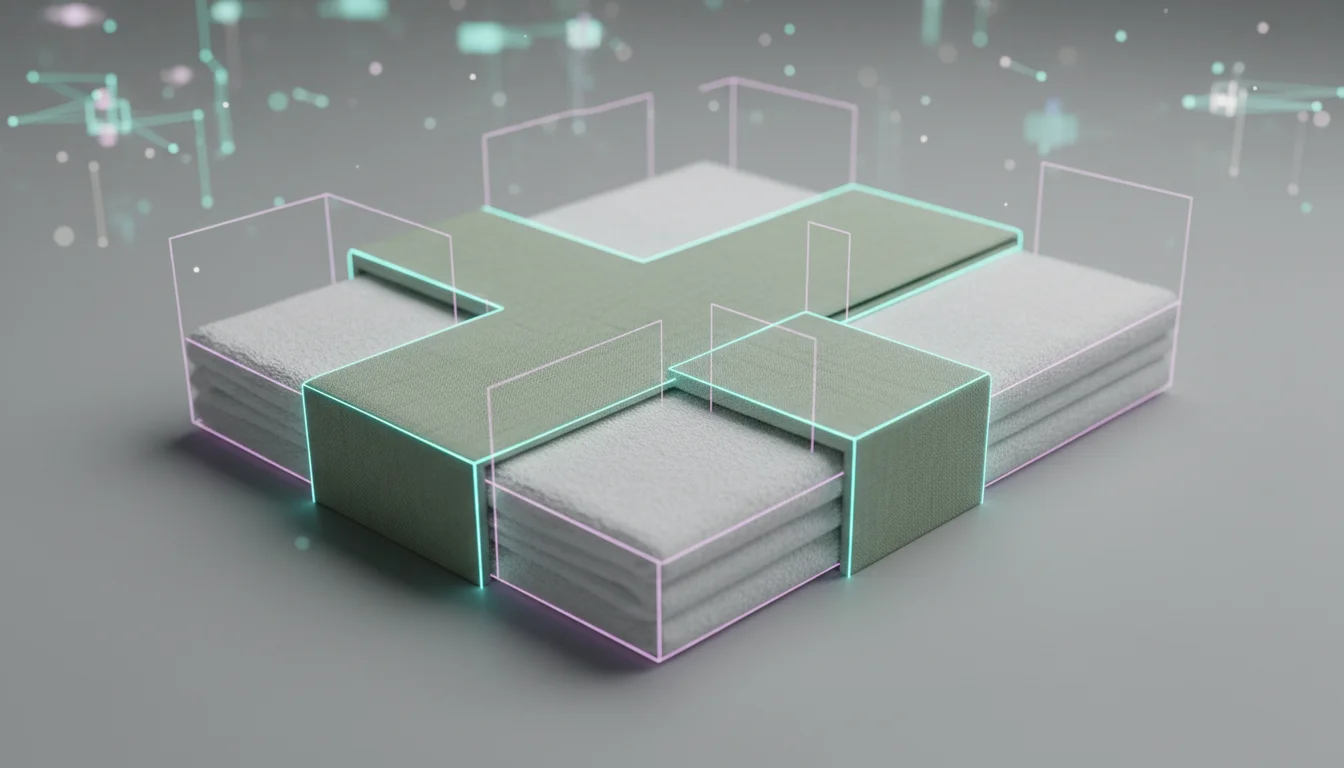
 By Robert King
Key Takeaways
- Digital twins create virtual replicas of physical events, allowing for real-time simulation and predictive analysis to mitigate risks and enhance attendee experiences.
- Implementing digital twin technology requires careful data integration from various sources, including CAD models, IoT sensors, and historical event data, to build an accurate and dynamic virtual environment.
- Event planners can use digital twins to test logistical flows, visualize crowd movement, and optimize resource allocation before an event’s physical execution, significantly reducing on-site issues.
- The financial investment in digital twin platforms can yield substantial returns through reduced operational costs, improved safety protocols, and increased participant satisfaction, making it a strategic asset for large-scale events.
- Successful deployment hinges on selecting platforms that offer strong visualization, real-time data processing, and integration capabilities with existing event management software.
Digital twins, once primarily confined to manufacturing and urban planning, are now redefining the possibilities within event management, offering a truly tech-savvy smoothness to the intricate process of bringing large-scale gatherings to life. This sophisticated technology creates a virtual replica of a physical event, enabling planners to simulate, analyze, and optimize every detail before a single guest arrives. Can this digital foresight truly eliminate the unforeseen challenges that plague even the most carefully planned occasions?
The Genesis of a Virtual Event Blueprint
The concept of a digital twin originates from product lifecycle management, where a virtual model of a physical product or system is created. This virtual counterpart receives real-time data from its physical twin, allowing for continuous monitoring, analysis, and simulation. In the context of event planning, this means constructing a detailed, dynamic virtual model of a venue, its infrastructure, and the anticipated flow of people and resources. Imagine creating a precise 3D model of a conference center, complete with every room, corridor, and exit, then populating it with virtual attendees whose movement patterns are informed by historical data and predictive algorithms. This isn’t just about static blueprints. It’s about a living, breathing digital entity. For instance, a major music festival planned for Piedmont Park in Atlanta could have a digital twin that models everything from stage placement and sound propagation to potential bottlenecks at entry points and the dispersion of emergency services. According to a 2025 report by Gartner (available at Gartner.com), the adoption of digital twin technology across various industries, including smart cities and events, is projected to increase by 40% by 2027, driven by the need for greater operational efficiency and risk mitigation. This demonstrates a clear industry shift towards proactive, data-driven planning.
Get smooth and event-ready
Look and feel your best for every occasion. Find a waxing studio near you and book ahead.
Find a Studio Near You →Real-Time Simulation and Predictive Analytics: A Planner’s Crystal Ball
The true power of digital twins in event planning lies in their capacity for real-time simulation and predictive analytics. Once the virtual replica is established, planners can run countless scenarios. What if a sudden downpour hits during an outdoor concert? The digital twin can simulate the impact on crowd movement, shelter availability, and even the efficiency of drainage systems. What happens if a key supplier experiences a delay? The system can model the cascading effects on setup times and resource allocation. Consider the planning for a large-scale trade show at the Georgia World Congress Center. With a digital twin, organizers could simulate foot traffic patterns through different exhibit halls, identify areas prone to congestion, and experiment with alternative layouts to improve flow. They could also test emergency evacuation routes, ensuring that exits are sufficient and clearly marked, and that first responders can navigate the venue efficiently. This goes beyond simple CAD drawings. It incorporates IoT data from historical events, weather forecasts, and even social media sentiment analysis to create an incredibly rich, dynamic model. We’re talking about simulating thousands of individual agents moving through a space, each with their own simulated behaviors, reacting to environmental factors and event schedules. This level of detail offers insights that traditional planning methods simply cannot achieve.
Optimizing Logistics and Resource Allocation with Precision
One of the most compelling applications of digital twins is in optimizing logistics and resource allocation. Events are complex endeavors, requiring the coordination of countless moving parts: staging, catering, security, waste management, and technical support. A digital twin allows planners to visualize and manage these elements with unprecedented precision. For example, a major sporting event held at Mercedes-Benz Stadium could use a digital twin to manage the deployment of security personnel. By simulating various threat scenarios or crowd surges, the system could recommend optimal placement for security checkpoints, patrol routes, and emergency response teams. This isn’t just about placing guards. It’s about understanding how their presence influences crowd behavior and response times. Plus, the digital twin can track the inventory and movement of equipment, from catering supplies to audiovisual gear, ensuring that everything is in the right place at the right time. Predictive maintenance, another offshoot of digital twin technology, can even alert planners to potential equipment failures before they occur, scheduling preventative measures to avoid costly disruptions. This proactive approach drastically reduces the margin for error that often characterizes large-scale event execution.
Enhancing the Attendee Experience and Safety Protocols
In the end, the goal of any event is to deliver a positive and safe experience for attendees. Digital twins contribute significantly to this by enabling planners to anticipate and mitigate potential issues that could detract from the experience or compromise safety. By simulating crowd densities and queue lengths at various points of interest, such as food vendors or restrooms, organizers can make data-driven decisions to adjust staffing levels or add temporary facilities, thereby reducing wait times and improving satisfaction. On top of that, the safety implications are deep. For a large public gathering like the annual Music Midtown festival in Atlanta’s Piedmont Park, a digital twin could be instrumental in designing effective emergency response plans. It could model the spread of a localized incident, predict the fastest evacuation paths for different sections of the park, and even simulate the impact of adverse weather on crowd behavior and safety. This allows for the refinement of crisis communication strategies and the pre-positioning of medical and security assets. The ability to “walk through” an emergency scenario virtually, identifying potential choke points or communication blackouts, is a significant leap forward in event safety planning. One might argue that relying too heavily on simulations could lead to a disconnect from real-world unpredictability, but the iterative nature of digital twin analysis allows for constant refinement based on new data, making it a highly adaptive tool. This integration of planning and real-time monitoring transforms reactive problem-solving into proactive prevention.
The Investment and Future of Digital Twins in Events
Adopting digital twin technology represents a significant investment, both in terms of financial outlay and the expertise required for implementation. Platforms like Unity Reflect or Autodesk Tandem provide the foundational tools for creating these virtual environments, but integrating diverse data streams from IoT sensors, building management systems, and existing event management software demands a specialized skill set. However, the returns on this investment can be substantial. Reduced operational costs due to optimized resource allocation, minimized risks of costly disruptions, and enhanced attendee satisfaction all contribute to a compelling business case. Looking ahead, the integration of artificial intelligence and machine learning will further amplify the capabilities of digital twins. AI algorithms can analyze vast datasets from past events to identify subtle patterns and predict future behaviors with even greater accuracy. Imagine a digital twin that not only simulates crowd movement but also predicts individual attendee preferences based on their digital footprint, allowing for hyper-personalized event experiences. The future of event planning, particularly for large-scale and complex gatherings, undoubtedly involves this sophisticated blend of virtual modeling and intelligent analysis. Event planners who embrace this technology now will undoubtedly gain a significant competitive edge, delivering experiences that are not only memorable but also smoothly executed and inherently safer. Global networking and large-scale events can significantly benefit from this advanced planning. Those involved in the beauty industry, for example, could use digital twins to optimize trade show layouts for better attendee flow and product visibility, enhancing executive grooming workshops or product launches. This also impacts how tourism stakeholders prepare for major events, ensuring a smoother experience for visitors and organizers alike.
What is a digital twin in the context of event planning?
A digital twin for event planning is a virtual replica of a physical event, including the venue, infrastructure, and anticipated human activity. It uses real-time data and simulations to predict outcomes, optimize logistics, and enhance safety before and during an event.
How do digital twins improve event logistics?
Digital twins improve logistics by allowing planners to simulate various scenarios, such as crowd flow, resource deployment, and emergency responses. This helps identify bottlenecks, optimize staffing, and ensure timely delivery and setup of equipment, leading to more efficient operations.
Can digital twins help with event safety?
Yes, digital twins significantly enhance event safety. They can simulate emergency evacuations, model the impact of incidents, and optimize the placement of security and medical personnel, allowing planners to refine crisis management protocols and minimize risks to attendees.
What kind of data is used to create an event digital twin?
Creating an event digital twin involves integrating diverse data sources including CAD models of venues, IoT sensor data (e.g., foot traffic, temperature), historical event data, weather forecasts, and even social media sentiment to build a complete and dynamic virtual environment.
Is digital twin technology accessible for all types of events?
While the initial investment can be substantial, the benefits of digital twin technology are particularly pronounced for large-scale, complex events where the cost of errors is high. As the technology evolves, more scalable and cost-effective solutions are emerging, making it increasingly accessible for a broader range of event types.


