 By Jon Dorsey
As a seasoned event planner, I’ve seen firsthand how a lack of foresight can derail even the most meticulously planned gatherings. That’s why an occasion-driven prep framework organized around booking timelines for weddings, lifestyle & events isn’t just helpful; it’s non-negotiable for success. This structured approach ensures every vendor, every detail, and every deadline is met with precision, transforming potential chaos into calm. Ready to discover how to banish last-minute panic for good?
Key Takeaways
- Implement a 12-18 month booking timeline for weddings, securing venues and top-tier photographers first, as these often book 18+ months out.
- Utilize dedicated event management software like HoneyBook or Acuity Scheduling to automate client communication, contracts, and payment schedules, saving an average of 8 hours per event.
- Conduct a mid-point check-in (6-8 months out for weddings, 3-4 months for smaller events) to confirm all major vendors, review budget, and finalize guest list projections.
- Create contingency plans for at least three potential issues (weather, vendor no-show, budget overruns) with backup options identified and contact information readily available.
- After each event, perform a post-mortem analysis within 48 hours, documenting successes, challenges, and actionable improvements for future events in a centralized knowledge base.
1. Define the Occasion and Initial Scope (18-24 Months Out for Weddings; 6-12 Months for Lifestyle/Events)
Before you even think about vendors, you need a crystal-clear picture of what you’re planning. This is the bedrock. For a wedding, this means understanding the couple’s vision, guest count aspirations, and overall budget comfort. For a corporate launch, it’s about the brand message, target audience, and key objectives. I always start with a detailed client questionnaire, often delivered via Typeform, which allows for conditional logic based on their answers. This prevents endless back-and-forth emails.
Pro Tip: Don’t just ask about budget; ask about priorities within that budget. Someone might say $50,000, but if their dream is a celebrity chef, that budget needs to shift dramatically, or their expectations must. It’s about managing reality from day one.
Common Mistake: Skipping a formal discovery phase. Many planners jump straight to venue hunting, only to find the client’s “dream” venue doesn’t fit their actual budget or guest count. This wastes everyone’s time and creates early frustration. Get it right here, or you’ll be fixing it later, I promise you.
2. Establish the Master Timeline and Booking Categories (16-22 Months Out)
Once the scope is clear, it’s time to build the backbone of your prep framework: the master timeline. I break down all event elements into logical booking categories, each with its own lead time. For a wedding, these are typically: Venue, Photography/Videography, Catering, Entertainment, Floral/Decor, Attire, Transportation, Stationery, Hair/Makeup, and Miscellaneous (officiant, favors, etc.).
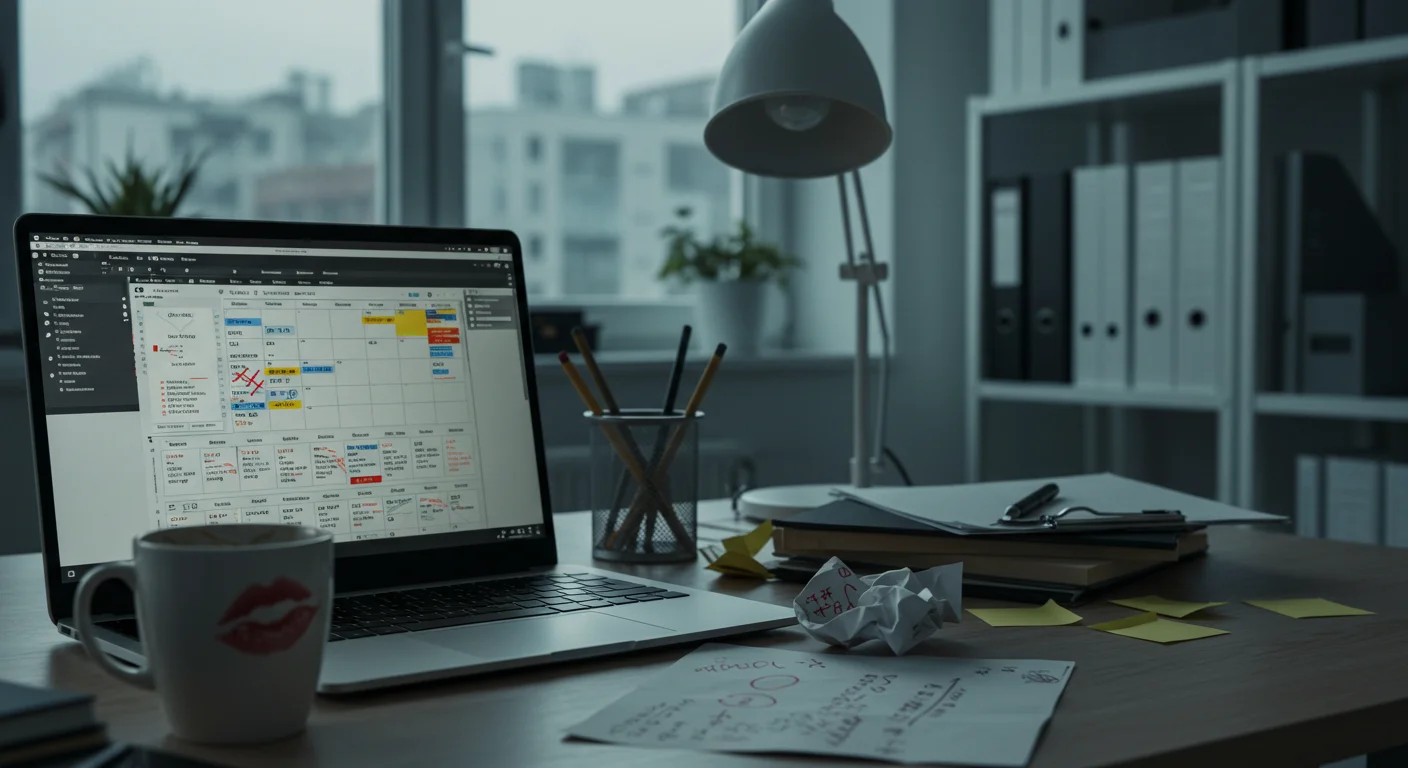
I use monday.com for all my project management. Here’s a screenshot description of a typical wedding board setup:
[Screenshot Description: A monday.com board titled “Client Name Wedding 2026.” The board is organized into groups: “Phase 1: Initial Bookings (18-12 Months Out),” “Phase 2: Mid-Range Bookings (12-6 Months Out),” “Phase 3: Final Details (6-1 Month Out),” and “Week-Of Tasks.” Each group contains items representing specific vendors or tasks, with columns for “Status” (e.g., “Contacted,” “Proposal Sent,” “Contract Signed,” “Paid”), “Due Date,” “Budget,” “Actual Cost,” “Assigned To,” and “Notes.” The “Venue” and “Photographer” items in “Phase 1” show “Contract Signed” status with due dates 16-18 months out.]
This visual approach, with color-coded statuses and automated reminders, is a lifesaver. According to a 2024 industry report by Event Manager Blog, 78% of top-performing event professionals cite robust project management software as critical to their success.
3. Secure High-Priority, Long-Lead Vendors (12-18 Months Out)
This is where the rubber meets the road. For weddings, venues and top-tier photographers/videographers are almost always the first to book. In Atlanta, for example, popular spots like the Fox Theatre or the Atlanta Botanical Garden can be booked 18-24 months in advance, especially for prime Saturday dates. Don’t underestimate this. I had a client last year, a lovely couple from Buckhead, who fell in love with a specific photographer. We had to shift their wedding date by three months just to accommodate his availability – a significant change, but worth it for their vision.
Beach-ready, wedding-ready, anytime-ready skin
Look and feel your best for every occasion. Find a waxing studio near you and book ahead.
Find a Studio Near You →For large corporate events, this might be securing the convention center space, keynote speakers, or a specific exhibition hall. Always prioritize vendors with limited availability or unique expertise. Get those contracts signed and deposits paid. This is also when I set up initial consultations for catering, even if the final menu isn’t decided.
Pro Tip: Read every contract meticulously. Pay attention to cancellation clauses, payment schedules, and what constitutes a “force majeure” event. I once caught a clause that allowed a venue to substitute a “comparable” space without client approval – that’s a hard pass for me.
“This Commonwealth Games men's mile was his race, in his country, in front of his people. This gold medal really meant something.”
4. Mid-Range Vendor Bookings and Design Development (6-12 Months Out)
With the big-ticket items secured, we move into the next wave of bookings: catering (menu finalization), entertainment (band/DJ), floral and decor, and transportation. This phase also includes significant design development. I collaborate closely with clients using mood boards created in Canva or Pinterest to refine aesthetics. We’re talking color palettes, lighting schemes, linen choices, and centerpiece styles.
For a product launch, this means developing the experiential elements, designing the stage, planning interactive displays, and coordinating with AV teams. This is also when we start thinking about stationery – save-the-dates for weddings, or initial invitations for events. I always recommend local Atlanta designers like Paper Daisies Stationery for unique, personalized touches.
Common Mistake: Over-committing to a design concept too early. While inspiration is good, flexibility is better. Supply chain issues (still a thing in 2026, believe it or not) or unexpected costs can force changes. Have backup options in mind for key decor elements.
5. Final Details and Guest Management (3-6 Months Out)
Now we’re getting into the nitty-gritty. For weddings, this means sending out formal invitations (with RSVPs due 6-8 weeks prior to the event), finalizing guest lists, creating seating charts, and coordinating guest accommodations. I rely heavily on Zola for wedding websites and RSVP tracking – their interface for managing dietary restrictions and plus-ones is simply superior to others I’ve tried.
For corporate events, this involves confirming attendee registrations, finalizing breakout session schedules, arranging speaker travel, and printing all necessary collateral. This is also when I confirm all vendor logistics: load-in times, power requirements, parking, and specific contact persons for the day of the event. We run into this exact issue at my previous firm when planning a major tech conference at the Georgia World Congress Center – getting detailed load-in schedules from all 30+ exhibitors was a monumental task, but absolutely vital for a smooth setup.
Case Study: The “Emerald Gala” – A Timeline Success Story
Last year, I planned the “Emerald Gala,” a corporate awards ceremony for a major fintech company headquartered in Midtown Atlanta. With a 10-month lead time, 400 guests, and a budget of $250,000, the framework was critical.
- Month 10: Defined theme (“Emerald City Glamour”), secured Georgia Aquarium’s Oceans Ballroom.
- Month 8: Booked preferred caterer (Bold Catering & Design), AV partner (AV Rental Pros Atlanta), and keynote speaker.
- Month 6: Finalized menu, designed custom stage and lighting, launched invitation suite via Eventbrite for ticketing and RSVP.
- Month 3: Confirmed all entertainment (live band, aerialist), ordered custom awards, finalized transportation for VIPs from the airport to the St. Regis Atlanta.
- Month 1: Created detailed day-of schedule (down to 15-minute increments), conducted final vendor walkthroughs, confirmed guest dietary needs.
The result? A flawless event, $5,000 under budget, and a 92% attendee satisfaction rate based on post-event surveys. The structured timeline meant no last-minute scrambling, allowing us to focus on guest experience.
6. The Final Countdown and Event Execution (1-2 Months Out to Day Of)
This is where all the pieces come together. For weddings, it’s final dress fittings, marriage license applications, vendor final payments, and creating a detailed day-of timeline for everyone involved – from the bridal party to every single vendor. I distribute this timeline via a shared Google Drive folder, ensuring everyone has the latest version. For corporate events, it’s final content review, speaker rehearsals, last-minute signage, and managing on-site registration.
I always schedule a final “walkthrough” with the client and key vendors at the venue 2-4 weeks prior. This addresses any potential spatial issues, clarifies logistics, and ensures everyone is on the same page. It’s also my last chance to identify any gaps in the plan. On the day of, my team and I are the first to arrive and the last to leave. We handle everything from vendor management to guest inquiries, allowing the client to simply enjoy their occasion.
Editorial Aside: Here’s what nobody tells you about event planning – something will always go wrong. A vendor will be late, a guest will get lost, the weather will turn. Your job isn’t to prevent every problem; it’s to have systems in place to gracefully solve them without anyone else noticing. That’s the real magic of a solid prep framework. By planning ahead, you can avoid costly last-minute panic.
7. Post-Event Wrap-Up and Analysis (Within 1 Week Post-Event)
The event isn’t truly over until the wrap-up is complete. This includes final vendor payments, returning rental items, sending out thank-you notes, and a thorough post-mortem meeting. I sit down with my team and review what went well, what could have been better, and any unexpected challenges. We document these findings in a centralized knowledge base using Notion, complete with photos and client feedback. This iterative process is how we refine our framework for every subsequent event. For instance, after a large outdoor festival near Piedmont Park, we realized our communication protocol for severe weather alerts needed an immediate overhaul, so we implemented a new SMS alert system.
A well-executed occasion-driven prep framework isn’t just about managing tasks; it’s about delivering unforgettable experiences with confidence and control. By meticulously organizing around booking timelines, you empower yourself and your clients to enjoy the journey, knowing every detail is expertly handled. For more insights on handling events, check out our guide on big nights out event planning secrets. Also, it’s crucial to understand why event booking myths can ruin your 2026 plans.
What’s the absolute first thing I should book for a wedding?
Without a doubt, the venue. Top wedding venues, especially those with unique features or prime weekend availability, can be booked 18-24 months in advance. Securing your venue locks in your date and provides the foundation for all other planning decisions.
How does this framework adapt for smaller lifestyle events, like a birthday party or baby shower?
While the principles remain the same, the timelines compress significantly. For a smaller event, your “high-priority” bookings might be just the venue and catering, potentially 3-6 months out. The “mid-range” and “final details” phases could be condensed into 1-2 months. The key is still identifying critical path items and working backward from the event date.
Which project management tool is best for this framework?
I’m a strong advocate for monday.com due to its visual nature, customizable boards, and automation capabilities. However, Asana and Trello are also excellent choices, especially for teams. The “best” tool is ultimately the one you and your team will consistently use and find intuitive.
What’s the biggest budget mistake people make when using a prep framework?
The biggest mistake is not building in a contingency fund. I always recommend allocating 10-15% of the total budget for unexpected costs or last-minute changes. Even with the best planning, unforeseen expenses arise, and having that buffer prevents stress and potential financial strain.
Should I share the detailed timeline with all my vendors?
Absolutely! A simplified, vendor-specific version of the day-of timeline is crucial. Each vendor only needs to see their specific arrival times, setup windows, and key points of contact. Over-communicating these logistics ensures everyone is coordinated and reduces the chance of miscommunication on the event day.


