 By Editorial Team
The scent of burnt sugar and panic hung heavy in the air. Sarah, owner of “Sweet Serenity Events,” a beloved boutique wedding planning firm in Atlanta’s West Midtown Design District, stared at her calendar. It was October 2026, and a frantic bride-to-be, Jessica, had just called, desperate for a photographer for her December 14th wedding at The Foundry at Puritan Mill. Jessica had assumed her cousin, an amateur with a decent camera, would do it, but he’d just bailed. This last-minute scramble highlighted a common, yet avoidable, pitfall in event planning: the critical importance of evaluating when to book and how to plan a schedule around a date. The timeline criteria consistently favor booking a professional in advance, especially for high-stakes lifestyle and events. But why is this so consistently overlooked?
Key Takeaways
- Booking professional event vendors 9-12 months in advance for major events (weddings, milestone birthdays) secures preferred providers and avoids premium rush fees.
- Create a detailed master timeline within 2 weeks of confirming an event date, segmenting tasks by “must book,” “should book,” and “can book later.”
- Expect to pay 15-30% more for services booked within 3 months of an event date due to limited availability and expedited planning.
- Prioritize booking vendors with limited availability (venues, photographers, caterers) immediately after setting your event date.
- Always have contingency plans for critical vendors, even with early bookings, to mitigate unforeseen cancellations or issues.
As a seasoned event consultant who’s seen more last-minute meltdowns than I care to count, Jessica’s predicament was painfully familiar. People often underestimate the finite availability of truly talented professionals. It’s not just about finding a photographer; it’s about finding the right one, someone whose artistic vision aligns with yours, whose personality complements your event, and crucially, who isn’t already booked solid. This isn’t a problem unique to photography, of course. Venues, top-tier caterers, popular DJs, and specialized florists all operate on a similar scarcity model.
The Illusion of Infinite Options: Why Waiting Costs You More Than Just Money
Jessica’s case perfectly illustrates the “illusion of infinite options.” She believed that because Atlanta is a major metropolitan area, she could always find someone. While technically true, the quality and cost associated with that “someone” diminish dramatically as the event date approaches. “We usually advise our clients to secure their primary vendors – venue, photographer, and caterer – at least 10 to 12 months out for peak season dates,” Sarah told me, her voice tinged with a weariness I knew well. “For a December wedding, that timeline is even more critical because of the holidays.”
A recent industry report from the National Association for Catering and Events (NACE) indicated that booking within three months of an event can increase vendor costs by an average of 15-30% due to rush fees, limited choices, and the need for expedited planning. This isn’t vendors being greedy; it’s the market responding to demand and the logistical challenges of squeezing new work into an already packed schedule. We once had a corporate client, a prominent tech firm headquartered in Alpharetta, who needed a keynote speaker for their annual summit with only six weeks’ notice. The speaker they wanted, a renowned futurist, typically required six months’ lead time. We secured him, but it involved significant re-jigging of his schedule and, predictably, a substantial premium on his standard fee – nearly 25% above what they would have paid if they’d planned earlier. It was a clear demonstration of how urgency translates directly to increased expenditure.
The Master Timeline: Your Event’s Blueprint for Success
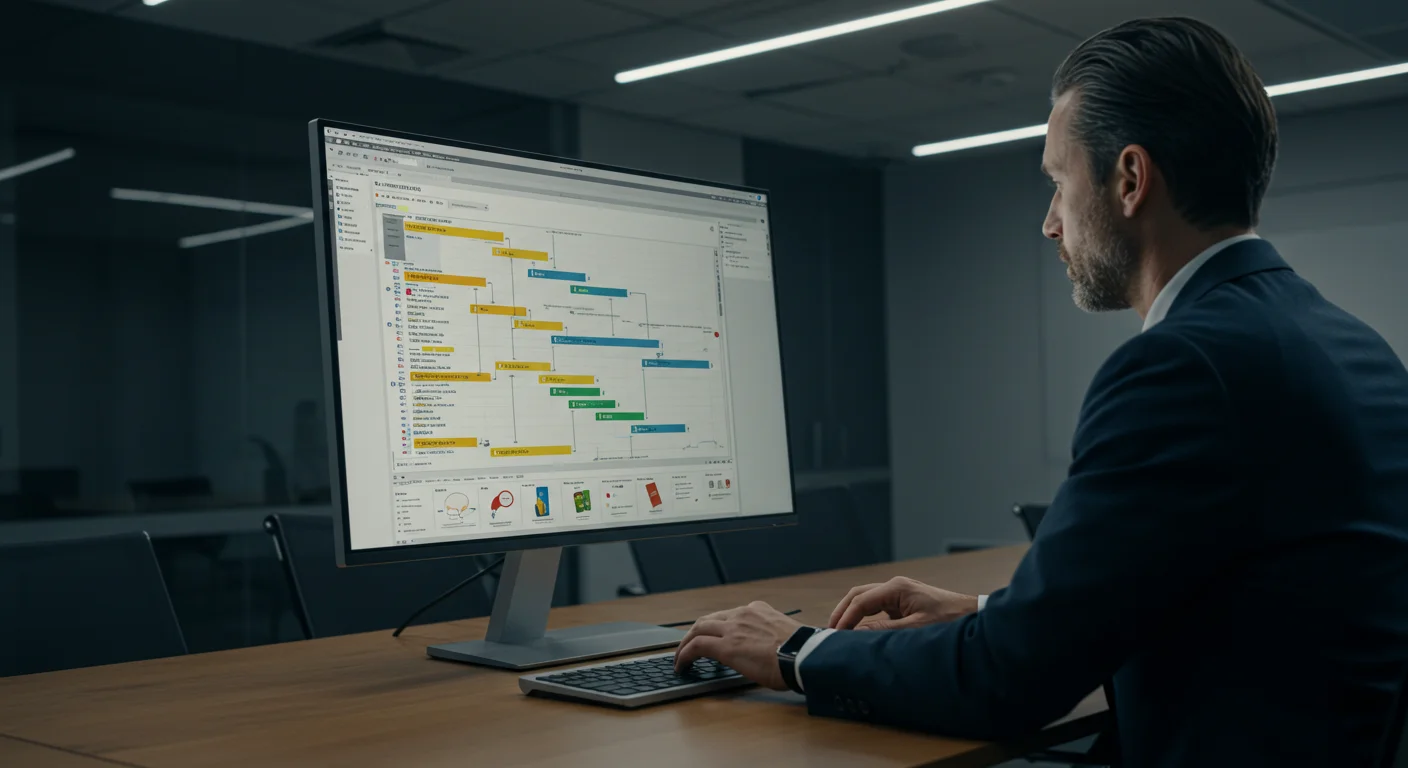
So, how do smart planners avoid Sarah’s and Jessica’s predicament? It starts with a comprehensive master timeline. This isn’t just a list of dates; it’s a strategic document that dictates the cadence of your planning. “The moment a client confirms their event date, my first step is to create a detailed timeline, typically within 48 hours,” Sarah explained. “It breaks down everything into ‘must book,’ ‘should book,’ and ‘can book later’ categories.”
Get smooth and event-ready
Look and feel your best for every occasion. Find a waxing studio near you and book ahead.
Find a Studio Near You →- Must Book (9-12+ months out): Venue, A-list photographer/videographer, high-demand caterer, specific entertainment (bands, specialized performers). These are the non-negotiables, the elements with the most limited availability. For a wedding at a sought-after location like the Piedmont Park Conservancy in Atlanta, you might even need to look 18 months ahead.
- Should Book (6-9 months out): Floral designer, cake artist, hair and makeup artists, officiant, rental companies (linens, specialty furniture). These professionals also get booked quickly, especially for popular dates.
- Can Book Later (3-6 months out): Invitations (design and printing), transportation, guest accommodations, attire fittings, favors. While still important, these often have more flexibility or shorter lead times.
I always advise clients to think of their event as a complex project, not just a series of appointments. Just as a construction project manager wouldn’t order the roof before the foundation is laid, you wouldn’t finalize your decor before securing your venue. The sequence matters, and the earlier you lock in the foundational elements, the less stress you’ll experience later.
The Case Study: Eleanor’s 50th Birthday Bash
Let me share a concrete example. Last year, I worked with Eleanor, who wanted to celebrate her 50th birthday with a lavish party for 150 guests at the Georgia Aquarium’s Oceans Ballroom. She contacted me in January 2025 for a September 2025 date. This gave us approximately eight months – not ideal for a venue of that caliber, but manageable.
- Initial Assessment (January 2025): My first step was to check venue availability. The Aquarium had only two Saturday nights left in September. We immediately put a soft hold on one for Eleanor.
- Priority Bookings (January-February 2025): Within two weeks, Eleanor signed the contract for the venue. Simultaneously, we began researching caterers from the Aquarium’s approved list and interviewed three top-tier photographers whose portfolios matched her vision. By the end of February, we had secured the venue, a renowned caterer, and a photographer known for vibrant event photography. The total cost for these three critical vendors was approximately $45,000.
- Secondary Bookings (March-April 2025): With the backbone in place, we moved on to floral design, entertainment (a jazz quartet), and a custom cake designer. By mid-April, these were all confirmed, adding another $15,000 to the budget.
- Final Details (May-August 2025): The remaining months were dedicated to invitations, guest list management, transportation logistics (arranging shuttle services from downtown hotels), and day-of coordination.
The outcome? Eleanor’s party was a spectacular success. Every vendor was exactly who she wanted, and because we booked within the ideal window, we avoided any rush fees or compromises on quality. Had she waited until, say, May, she would have likely found the Aquarium fully booked, forcing her to choose a less desirable venue or date, or perhaps settle for a less experienced photographer. The difference in a stress-free experience versus a panicked scramble was invaluable.
The “Here’s What Nobody Tells You” Moment: Contingency Planning
Here’s something many clients overlook: even with meticulous early booking, things can go wrong. A vendor could have an emergency, a venue could undergo unexpected renovations, or a key person on your team could become unavailable. This is why contingency planning is paramount. For critical vendors like your photographer or caterer, always ask about their backup plan. Do they have a network of trusted colleagues they can call upon? What’s their policy for unforeseen circumstances? I had a client whose wedding photographer broke his arm two weeks before the big day. Because we had discussed contingencies during the initial booking, he seamlessly arranged for an equally talented associate photographer to step in, and the client barely noticed the change. Without that foresight, it would have been a catastrophic last-minute hunt.
Another crucial element is understanding the payment schedule. Most professional vendors require a deposit (often 25-50%) upon booking, with the balance due closer to the event. This protects both parties and signifies a firm commitment. Don’t balk at deposits; they’re standard practice and a sign you’re dealing with a legitimate business. If someone asks for 100% upfront for a service months away, that’s a red flag. Conversely, if they don’t ask for a deposit at all, that’s also concerning – it suggests a lack of commitment on their part.
The Digital Edge: Tools and Platforms for Proactive Planning
In 2026, we have a wealth of digital tools at our disposal to aid in proactive planning. Platforms like HoneyBook and Dubsado are invaluable for managing client communication, contracts, invoices, and automated workflows. For timeline management, I often recommend Monday.com or Asana for their visual project management capabilities, allowing clients to see progress and upcoming deadlines at a glance. These aren’t just for professionals; individuals planning significant life events can adapt them too. The key is to select a tool and actually use it consistently, updating it as each milestone is reached. A digital timeline, unlike a paper one, can be shared easily with all stakeholders, ensuring everyone is on the same page – a small but mighty detail that prevents miscommunication and last-minute panic.
Jessica, thankfully, found a solution. Sarah, leveraging her extensive network, managed to secure a reputable photographer who had a last-minute cancellation. It cost Jessica an additional $1,500 in rush fees and meant she couldn’t get her first choice, but her wedding photos were saved. The experience, however, served as a stark reminder. When you’re planning a significant lifestyle event, whether it’s a wedding, a milestone birthday, or a corporate gala, the phrase “the early bird gets the worm” isn’t just a cliché – it’s a financial and emotional imperative.
Proactive planning isn’t just about avoiding disaster; it’s about curating the experience you envision. It’s about having choices, negotiating from a position of strength, and ultimately, enjoying the journey rather than enduring a stressful sprint to the finish line. Don’t wait until the last minute to secure the elements that will make your event truly unforgettable. Your peace of mind (and your wallet) will thank you.
How far in advance should I book my wedding venue?
For popular wedding venues, especially during peak seasons (spring and fall in Georgia), you should aim to book 12-18 months in advance. This ensures you get your preferred date and location, like The Stave Room at American Spirit Works or the Atlanta History Center.
What vendors should I prioritize booking first for any event?
Always prioritize vendors with limited availability and significant impact on your event’s overall success. This typically includes your venue, photographer/videographer, and caterer. These often set the tone and date for the entire occasion.
Is it more expensive to book vendors last minute?
Yes, booking vendors within three months of an event typically incurs higher costs, often 15-30% more. This is due to rush fees, limited availability, and the need for vendors to adjust their schedules to accommodate urgent requests.
What is a master timeline and why is it important for event planning?
A master timeline is a comprehensive schedule detailing all tasks, deadlines, and vendor bookings required for an event. It’s crucial because it provides a structured roadmap, prevents oversight, and ensures critical elements are secured in a timely and cost-effective manner.
Should I always have a contingency plan for my event vendors?
Absolutely. Even with early bookings, unforeseen circumstances can arise. Discuss backup plans with critical vendors (e.g., what if your photographer gets sick?) to ensure a smooth resolution and minimize stress should an issue occur.


