 By Maria Lopez
The art of the cocktail has transcended mere mixing; it’s now a cornerstone of modern entertaining, reflecting sophisticated palates and a desire for unique experiences. From innovative ingredients to interactive presentations, contemporary cocktail trends are redefining how we celebrate and socialize, making every pour an event in itself. But what truly sets today’s event drinks apart from yesterday’s?
Key Takeaways
- Sustainability and local sourcing are driving ingredient choices, with 70% of event planners prioritizing eco-friendly options for their beverage programs.
- Low-ABV and non-alcoholic options are no longer afterthoughts, accounting for over 30% of beverage requests at upscale events in 2025.
- Interactive cocktail stations and personalized mixology experiences increase guest engagement by an average of 40% compared to traditional bar service.
- Technology integration, like QR code menus and AI-driven flavor pairing tools, is becoming essential for modern event bars.
- The average spend on bespoke cocktail programs for high-end events increased by 15% year-over-year from 2024 to 2025, indicating a strong market for premium experiences.
The Rise of Thoughtful Sourcing and Sustainability in Mixology
As a professional event planner, I’ve seen firsthand how quickly trends shift, but one movement has gained undeniable momentum and staying power: sustainability in mixology. Guests are more discerning than ever, not just about taste but about origin and impact. We’re past the days of simply throwing a lime wedge into a drink; now, every ingredient tells a story, and that story better be a good one.
This isn’t just about appearances; it’s about genuine commitment. A recent report by the Green Events Alliance (Green Events Alliance) indicated that 70% of event organizers now actively seek out beverage suppliers who can demonstrate clear sustainable practices, from farm to glass. This means prioritizing local distilleries, using seasonal produce, and minimizing waste. For example, instead of importing exotic fruits year-round, we’re seeing brilliant bartenders get creative with local berries, herbs, and even vegetables. Think a savory tomato water cocktail in summer or a spiced apple cider concoction in fall, all sourced from within a 100-mile radius.
Waste reduction is another huge component. I once worked on a large corporate gala in Midtown Atlanta where the client was adamant about a zero-waste bar. It was a challenge, I won’t lie. We partnered with a local farm, “Sweet Acre Farms,” to supply all our fruit and herb garnishes. What wasn’t used in drinks was immediately composted or, in some cases, turned into shrubs and syrups for the next day’s event. The pulp from juiced citrus? It became dehydrated garnishes. This level of dedication to eco-friendly event drinks requires foresight and strong vendor relationships, but the feedback from attendees was overwhelmingly positive. They appreciated the effort and the narrative behind their drinks. It’s not just about what’s in the glass; it’s about the entire ecosystem supporting that glass.
Beyond the Booze: The Non-Alcoholic Revolution
Let’s be frank: the idea that a “good drink” must contain alcohol is firmly outdated. The non-alcoholic revolution is not a fad; it’s a fundamental shift in how we approach social drinking, and it’s here to stay. For years, non-drinkers were relegated to sugary sodas or uninspired juice blends. Not anymore. Today, the demand for sophisticated, complex, and genuinely enjoyable non-alcoholic options is soaring.
I’ve observed a significant uptick in requests for what I call “curated N/A programs” at events. According to data compiled by IWSR Drinks Market Analysis (IWSR Drinks Market Analysis), the global market for no and low-alcohol beverages is projected to grow by an additional 25% by 2026. This translates directly to event planning: we’re seeing more clients allocate dedicated budget lines for these options. We’re talking about intricate zero-proof cocktails made with botanical distillates, adaptogenic ingredients, and house-made infusions that rival their alcoholic counterparts in complexity and presentation. A simple “mocktail” doesn’t cut it anymore. Guests want an experience, regardless of ABV.
One memorable instance involved a wedding reception at the Georgian Terrace Hotel in Atlanta, where the bride and groom, both sober, wanted their guests to have equally exciting choices. We collaborated with a local mixologist who specialized in non-alcoholic beverages. He crafted a menu featuring three signature zero-proof drinks: a “Smoked Lavender Lemonade” with activated charcoal, a “Spiced Pear & Ginger Fizz,” and a “Cucumber Mint Refresher” infused with CBD. Each was presented with the same care and garnish as the alcoholic cocktails. The result? These non-alcoholic options were just as popular, if not more so, than the traditional bar offerings. It proved that when given genuine choice and quality, guests embrace the diversity. This trend also opens up events to a wider audience, making them more inclusive and enjoyable for everyone, a key factor in modern event design.
Beach-ready, wedding-ready, anytime-ready skin
Look and feel your best for every occasion. Find a waxing studio near you and book ahead.
Find a Studio Near You →Interactive Experiences and Personalized Mixology
Engagement is the new currency in event planning. Guests don’t just want to attend; they want to participate, to create, to feel a part of something unique. This desire has fueled the popularity of interactive cocktail stations and personalized mixology. Forget the static bar; we’re now designing dynamic spaces where guests become co-creators of their drinks.
One of my favorite approaches is the “Build-Your-Own” bar. We set up a station with a professional mixologist overseeing an array of fresh ingredients: various spirits (and non-alcoholic bases), house-made syrups, fresh herbs, exotic fruits, and a selection of bitters. Guests then choose their components, and the mixologist guides them, offering suggestions and creating a bespoke drink on the spot. This not only provides a unique beverage but also serves as an entertainment focal point. A survey by Eventbrite (Eventbrite’s 2025 Event Trends Report) highlighted that experiences offering personalization increase guest satisfaction by 35%.
Another popular format is the “Cocktail Lab.” Here, instead of just ordering, guests can try their hand at mixing under expert supervision. We provide pre-measured ingredients for a few signature cocktails, along with shakers, jiggers, and strainers. The mixologist gives a quick tutorial, and guests then craft their own drinks. This is particularly effective for team-building events or smaller, more intimate gatherings. I’ve found that even those who claim to be “terrible at making drinks” get a kick out of it. The key is making it fun and accessible, not intimidating. It’s about the journey of creation, not just the final product.
We’ve also seen a rise in AI-driven flavor pairing tools. While I’m a firm believer in human creativity, these tools can offer fascinating suggestions. Imagine a guest selects “spicy” and “fruity” on a tablet, and the AI suggests a tequila-based drink with jalapeño-infused agave and a splash of passion fruit. It’s a novel way to spark inspiration and introduce guests to flavor combinations they might not have considered. This technology, often integrated via QR code menus, streamlines ordering and adds a modern touch to the event experience.
Regional Flair and Global Inspiration
The beauty of modern mixology lies in its ability to blend local identity with global influences. We’re seeing a strong emphasis on regional cocktail variations, where classic recipes are reimagined with ingredients specific to a particular area. This provides a sense of place, making the event feel more authentic and memorable. For instance, in Georgia, I often incorporate peaches, pecans, or even local moonshine (from licensed distilleries, of course!) into our signature cocktails. A “Peach Old Fashioned” or a “Pecan Praline Martini” instantly resonates with guests familiar with Southern flavors.
Conversely, global inspiration continues to enrich the cocktail landscape. Bartenders are drawing from culinary traditions worldwide, incorporating exotic spices, unique spirits, and preparation methods from different cultures. Think Japanese shochu-based cocktails, Indian-spiced gin drinks, or Latin American infusions. This fusion creates incredibly diverse and exciting flavor profiles. For a recent charity gala in Buckhead, we featured a “Silk Road” themed bar, offering drinks inspired by different stops along the ancient trade route. We had a saffron-infused gin fizz representing Persia and a matcha-infused vodka tonic from Japan. Each drink was a conversation starter, transporting guests through flavors and stories.
The key here is authenticity. It’s not enough to just name a drink after a region; the ingredients and techniques must genuinely reflect that inspiration. I always advise my clients to work with mixologists who have a deep understanding of these cultural nuances. A well-traveled bartender or someone with a background in international cuisine can bring an unparalleled level of expertise to the bar program. This thoughtful integration of global mixology trends ensures that the drinks are not just tasty, but also culturally rich and educational.
The Evolution of Presentation and Garnish
A drink isn’t just about what’s inside; it’s about the entire sensory experience, and presentation plays a massive role. The days of a simple maraschino cherry are long gone. Today’s cocktail presentation trends are as elaborate and thoughtful as haute cuisine. We’re seeing garnishes elevate from mere decoration to integral components of the drink’s aroma, flavor, and visual appeal.
Consider the rise of edible flowers, dehydrated fruit wheels, and intricate herb sprigs. These aren’t just pretty; they contribute to the overall bouquet and can even infuse subtle flavors. Smoked elements are also incredibly popular. I’ve seen cocktails served under cloches filled with aromatic wood smoke, creating a dramatic reveal and an unforgettable aroma. Even the glassware itself has become part of the presentation. Unique shapes, textures, and even custom-branded glasses add a bespoke touch that enhances the perceived value of the drink. A cocktail served in a hand-blown coupe glass feels inherently more special than one in a standard tumbler.
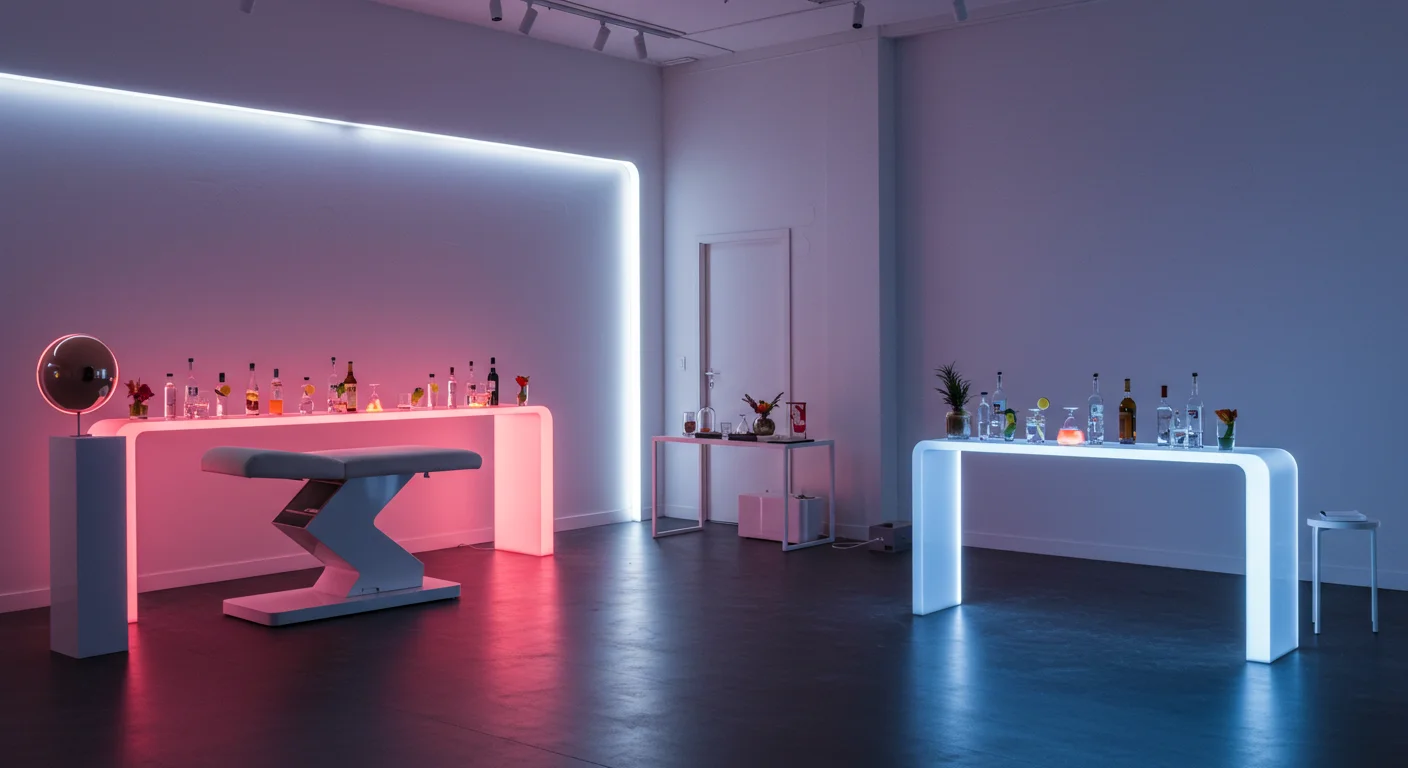
Beyond the glass, the entire bar setup contributes to the presentation. Mobile bars designed like vintage suitcases, sleek modular units that light up, or even bars carved from ice sculptures are all part of the modern event aesthetic. The actual act of making the drink can also be a performance. Flair bartending, while not new, has seen a resurgence in a more refined form, focusing on precision and elegance rather than just flashy tricks. Bartenders are becoming artisans and performers, and the bar itself, a stage. This holistic approach to event drink aesthetics ensures that every aspect of the beverage service contributes to the overall ambiance and guest experience.
The world of cocktails is constantly evolving, pushing boundaries and embracing innovation. By understanding these modern trends, from thoughtful sourcing to interactive experiences and stunning presentations, you can transform any gathering into an unforgettable celebration of flavor and artistry. The future of event drinks is bright, bold, and incredibly delicious.
What are some key considerations for incorporating sustainable practices into an event bar?
To incorporate sustainable practices, prioritize local and seasonal ingredients, minimize single-use plastics by using reusable or compostable straws and glassware, implement composting for organic waste (like fruit peels), and work with distilleries and suppliers committed to eco-friendly production methods. I always recommend asking vendors about their sustainability certifications.
How can I ensure non-alcoholic options are as appealing as alcoholic ones at my event?
To make non-alcoholic options appealing, treat them with the same care and creativity as alcoholic cocktails. Use premium ingredients, intricate garnishes, and unique glassware. Offer complex flavor profiles beyond simple juices, incorporating botanicals, spices, and fresh herbs. Give them creative names and ensure they are prominently featured on the menu, not just as an afterthought.
What is a “Cocktail Lab” and how does it enhance guest experience?
A “Cocktail Lab” is an interactive bar station where guests can learn to mix their own drinks under the guidance of a professional mixologist. It enhances the guest experience by providing entertainment, fostering participation, and allowing for personalization. Guests enjoy the hands-on activity and the satisfaction of crafting their own unique beverage, making the event more memorable.
Are there any specific regional flavors from Georgia that work well in modern cocktails?
Absolutely! In Georgia, some fantastic regional flavors include peaches, pecans, muscadines, and even local honey. These can be infused into spirits, used in syrups, or as garnishes. For example, a peach-infused bourbon or a pecan-praline liqueur can create uniquely Southern twists on classic cocktails, offering a true taste of the region.
What role does technology play in modern event mixology?
Technology plays a growing role in modern event mixology through innovations like QR code menus for easy ordering and ingredient information, AI-driven flavor pairing tools to suggest unique combinations, and digital inventory management systems for efficient stock control. These tools enhance guest convenience, streamline operations, and add a cutting-edge element to the bar experience.


