 By David Miller
Key Takeaways
- Start the seasonal swap by culling your closet, get rid of anything damaged, that doesn’t fit, or that you haven’t touched in over a year.
- Get proper storage like clear bins, garment bags, and drawer dividers to keep your off-season clothes safe from dust and moths.
- Organize clothes first by type (like casual tops) and then sort by color which makes finding things next season way faster.
- Make sure every piece of clothing is clean before it goes into storage to avoid mildew, bugs, and stains setting in.
- Pick a dedicated, easy-to-reach spot for your off-season stuff. It makes the next swap easier and keeps the whole closet tidy.
Keeping a closet organized feels like a full-time job, but a proper seasonal wardrobe swap can turn that mess into a workable system. It makes your daily routine more efficient and gives your personal style a needed reset. This organized approach to closet organization saves you real time, helps your clothes last longer, and is a built-in fashion refresh. So, how do you tackle this big transition effectively and with less stress?
The Foundation: Decluttering and Assessment
You can’t skip the decluttering part. It’s the foundation. This is about making hard calls on what you actually want to own. Pull everything out of your closet and drawers. Everything. Lay it all out so you can see what you’re dealing with. It might seem like a huge task, but seeing the mountain of clothes you own is a necessary reality check. For each piece, you have to be honest with yourself: Is it in good shape, or is it stained or torn? Does it actually fit you right now, or is it too loose or too tight? And the big one: have you worn it in the last 12 months? If a garment hasn’t been worn in a full year, it’s probably not going to be worn next year either. Use the classic “three-pile” method: keep, donate/sell, and discard. Clothes you donate or sell should still be in good, wearable condition. Charities like the Goodwill Industries of North Georgia can give them a second life while supporting local programs. If you have higher-end pieces, you might get some cash back at consignment shops or through online marketplaces. The discard pile is for things that are beyond saving. This initial purge is where you’ll make the biggest gains in space and mental clarity. There’s a reason for this: a 2023 survey from the National Association of Professional Organizers (NAPO) found that people who regularly clear out their closets cut down on their “what to wear” decision fatigue by 30%, which shows how a well-managed wardrobe improves your day.
Beach-ready, wedding-ready, anytime-ready skin
Look and feel your best for every occasion. Find a waxing studio near you and book ahead.
Find a Studio Near You →Strategic Cleaning and Repair
Once you have your “keep” pile sorted, the next job is cleaning and repairs. Putting dirty clothes into storage is asking for trouble. Lingering body oils, perfume, and tiny food specks are a magnet for pests like moths and silverfish, which will cause permanent damage over several months in a dark bin. Stains you ignore now can oxidize and set, making them almost impossible to get out later. Dry clean what needs it, wash everything else according to the label, and make sure every single item is bone dry before you pack it away. Even a little bit of dampness will breed mildew, which smells awful and can ruin fabric for good. This is also the perfect time to handle small fixes, sew on that missing button, patch a small tear, or fix a loose seam. Taking care of it now means you won’t pull out a sweater next fall only to realize you can’t wear it. It’s preventative maintenance for your clothes. A little bit of time spent now saves you from the headache and cost of replacing something down the line. For your really nice pieces, use good-quality garment bags made from breathable cotton. They protect from dust while letting air circulate. (Just don’t use the flimsy plastic from the dry cleaner for long-term storage, as they trap moisture and can cause yellowing).
Optimizing Storage Solutions for Longevity
The right storage is everything for a seasonal rotation. The containers you choose will determine the condition of your clothes next year. Clear, airtight plastic bins are great for folded clothes like sweaters, t-shirts, and jeans. The transparency lets you see what’s inside without having to guess, and a good seal is key to blocking out dust, moisture, and bugs. For stuff you need to hang, like suits, coats, and nice dresses, you need breathable garment bags. Look for ones made of canvas or non-woven fabrics that let air move through, which stops things from getting musty. When you’re packing things away, think about the material. A hard rule: always fold heavy knits so they don’t stretch out and get distorted on a hanger, while things like structured jackets or delicate silk blouses are better off hanging. Vacuum-seal bags can be a lifesaver for bulky winter coats, but use them with caution, they can crush delicate fabrics, so don’t use them for everything. Under-bed containers are another solid option for things you won’t need for months. Labeling every bin with its contents (e.g., “Winter Sweaters,” “Summer Dresses”) is a simple move that pays off big time during the next swap. This whole process is about making your closet work for you, not just making it look pretty.
The Art of the Seasonal Swap and Future Planning
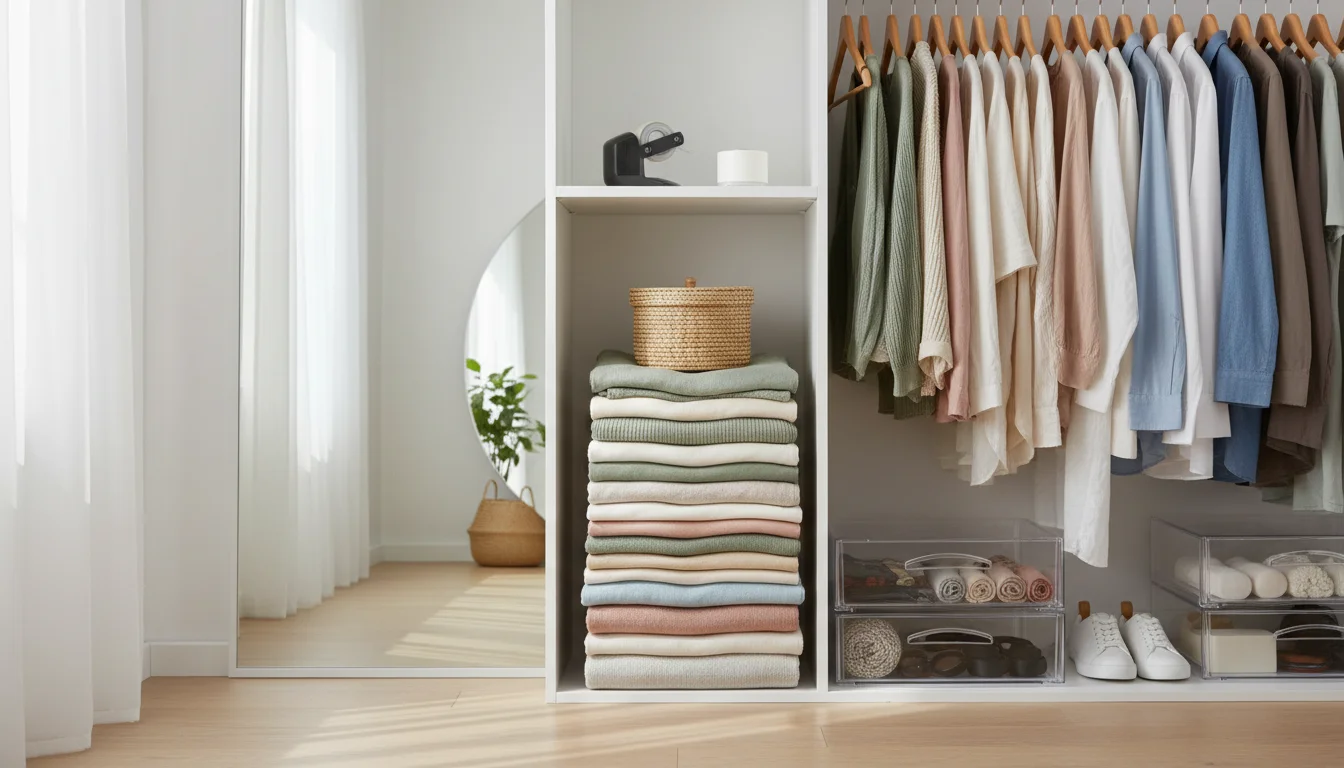
With your off-season clothes cleaned and stored, it’s time to bring out the clothes for the current season. You’re basically reversing the process. Grab your seasonal bins and start working those items back into your closet. As you unpack, give these items a quick once-over, too. Does this still feel like your style? Is there anything that feels dated or just doesn’t fit right anymore? It’s a constant cycle of editing that keeps your active wardrobe from getting stale. Think about what you wear every day and organize for that. Your daily-driver clothes should be front and center where they’re easy to grab. Formal wear or specialty items can go in a less-used spot. Grouping like with like (all shirts together, all pants together) and then arranging them by color creates a visual system that really does make getting dressed faster. A 2024 study on consumer behavior by the Georgia Tech School of Industrial Design even indicated that a visually organized wardrobe could reduce morning decision-making time by up to 15 minutes for some people. You can even go digital. Apps like Stylebook or Cladwell let you catalog your entire wardrobe, create outfits, and track what you wear, which is a surprisingly useful way to see what you actually use and where the gaps in your collection are. This digital approach can stop you from making those impulse buys and helps you build a more sustainable wardrobe over time. When planning for the season, consider trends if you want, but always put your personal comfort and style first. Avoid the fast fashion trap that encourages you to constantly buy new things. Focus on quality and versatility.
Maintaining Momentum: Year-Round Habits
This big swap shouldn’t be some massive, dreaded project you only do twice a year. The real secret is to build in a few small, consistent habits that keep your space organized all the time. When you take something off, put it back where it goes. If a shirt needs mending or cleaning, deal with it now instead of letting it join a “doom pile” in the corner. A “one in, one out” policy is also really effective: for every new thing you buy, something old has to go. It’s the only way to stop your closet from slowly taking over your bedroom. Doing quick 15-minute mini-declutters every few months also makes a huge difference. Just a quick pass to identify things you’ve fallen out of love with can prevent the clutter from building up and making the next big seasonal swap feel like an impossible task. A well-organized closet is a dynamic space that needs ongoing attention, not just a semi-annual overhaul. It shows a mindful approach to what you own and how you present yourself.
When should I do the seasonal wardrobe swap?
The best time is during the change of seasons, usually early spring (around March or April) to bring out summer clothes and early fall (September or October) to switch to winter wear. This lines up with when the weather really turns and new fashion cycles begin.
How often should I declutter my closet?
You’ll do a major declutter during the big seasonal swaps, but doing smaller clean-outs every 2 to 3 months is a good idea. It helps you stay on top of things and keeps your active wardrobe from getting crowded.
What’s the best storage for off-season clothes?
For folded things like sweaters, clear plastic bins with an airtight seal are perfect because they protect from dust and you can see what’s inside. For hanging clothes, use breathable fabric garment bags made of canvas or a non-woven material to let air in and prevent mustiness.
Do I really have to wash clothes before storing them?
Yes, absolutely. You need to clean everything before packing it away. Any leftover body oils, perfumes, or food bits will attract pests and can cause permanent stains or mildew to develop while in storage.
How do I organize my closet for easier daily use?
To make your daily routine faster, organize your closet by grouping similar items (all your tops in one spot, all pants in another), and then arrange each group by color. This visual organization makes it much quicker to find what you’re looking for.
A well-executed seasonal wardrobe swap is an investment in your own peace of mind and personal style. By systematically culling, cleaning, and organizing your clothes, you’re setting yourself up with a wardrobe that feels fresh and actually works for you every single season. This proactive approach makes your clothes last longer and gives you a consistent sense of control and calm in your daily routine.


