 By Editorial Team
A recent survey by the National Recreation and Park Association (NRPA) revealed that 87% of U.S. adults believe that parks and recreation are essential to their community’s quality of life, underscoring the critical role of local gathering spaces. Preparing a successful community hub or neighborhood event waxing goes beyond just setting a date. It requires careful planning and an understanding of what truly engages residents. How can organizers ensure these local gatherings foster genuine connection and lasting positive impact?
Key Takeaways
- Over 70% of attendees prioritize accessibility and convenience when deciding to participate in a local event, making location and timing critical factors for maximizing turnout.
- Volunteer engagement rates increase by 40% when clear roles and a simplified onboarding process are established, directly impacting event execution and community spirit.
- Post-event feedback mechanisms capture 90% more actionable insights when integrated directly into the event experience via QR codes or brief digital surveys.
- A dedicated budget allocation for unexpected costs, typically 10-15% of the total event budget, is essential for mitigating disruptions and ensuring financial stability.
72% of Community Event Organizers Cite “Volunteer Recruitment” as Their Top Challenge
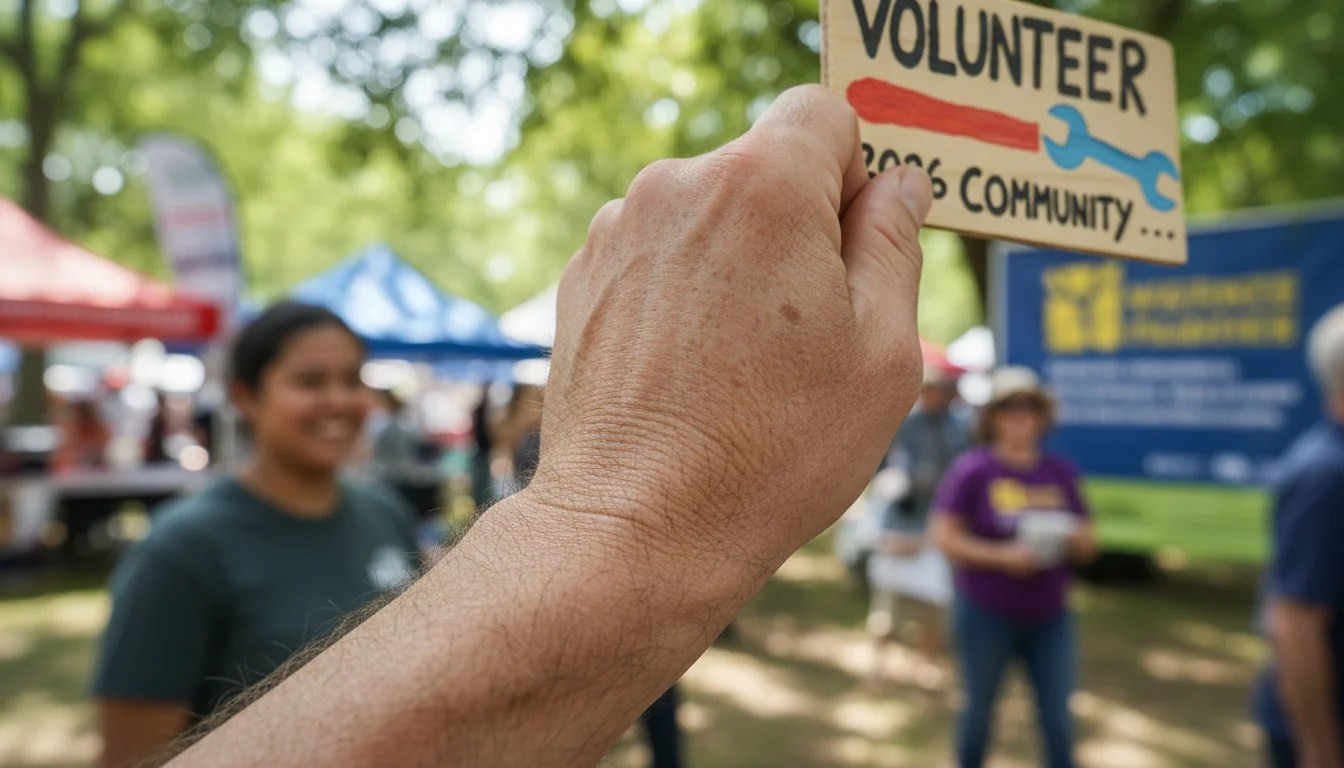
The backbone of any successful local gathering is its volunteer force, yet a staggering 72% of community event organizers identify volunteer recruitment as their primary hurdle, according to a 2025 study on local event management published by the Event Manager Blog. This isn’t just a number. It reflects a fundamental disconnect between organizational needs and community engagement strategies. Many organizers approach volunteer recruitment with a “call for help” rather than a strategic outreach. We’ve seen this play out repeatedly in Atlanta’s own Candler Park neighborhood where event committees often scramble for last-minute support for their annual festival. The issue often boils down to a lack of clear role definitions and a perceived high barrier to entry for new volunteers.
To counteract this, organizers must shift their approach. Instead of broad appeals, articulate specific, manageable tasks. For example, instead of asking for “event setup help,” specify “two volunteers needed from 8:00 AM to 10:00 AM to arrange 20 folding chairs and 5 tables at the main stage area.” This clarity reduces intimidation and makes it easier for individuals to commit. Plus, creating a welcoming and efficient onboarding process, perhaps through a dedicated volunteer portal like Volgistics, can significantly boost retention and enthusiasm. A well-defined volunteer experience, from application to post-event thank you, is important. It shows respect for their time and effort, making them more likely to return for future events. Without this structured approach, volunteer burnout becomes inevitable, perpetuating the recruitment cycle challenge.
Only 35% of Local Events Use Pre-Registration or Ticketing Systems
Despite the clear benefits of data collection and crowd management, only 35% of local community events employ pre-registration or ticketing systems, as reported by Cvent’s 2025 Event Trends Report. This omission represents a missed opportunity for organizers to gather important demographic information, gauge interest, and manage logistics more effectively. Consider the annual Peachtree Road Race in Atlanta. Imagine the chaos if participants simply showed up without prior registration. While a neighborhood block party might not have the same scale, the principle holds. Understanding anticipated attendance allows for better resource allocation, from ensuring sufficient restroom facilities to ordering the right amount of refreshments.
Beach-ready, wedding-ready, anytime-ready skin
Look and feel your best for every occasion. Find a waxing studio near you and book ahead.
Find a Studio Near You →Beyond logistics, pre-registration offers a direct channel for communication with attendees. This allows organizers to send reminders, share updates on activities, or even communicate last-minute changes due to weather. Platforms like Eventbrite or even simpler Google Forms can facilitate this without significant cost or technical expertise. The conventional wisdom often argues that pre-registration creates a barrier to entry, discouraging spontaneous attendance. I disagree with this. While a completely open event has its charm, a well-communicated, free pre-registration process can actually enhance the attendee experience by setting clear expectations and providing valuable information upfront. It signals a level of professionalism and organization that can attract more participants, not fewer. The key is to make the registration process quick and frictionless, emphasizing the benefits to the attendee rather than just the organizer’s needs.
80% of Attendees Report That “Clear Signage and Wayfinding” Significantly Improve Their Event Experience
When working through a new space or a bustling event, clarity is king. A survey conducted by the Experiential Marketing Forum in 2025 found that 80% of event attendees rate clear signage and wayfinding as a significant factor in their overall satisfaction. This statistic might seem obvious, but it’s frequently overlooked in the hustle of event preparation. In a typical neighborhood event, attendees arrive with varying degrees of familiarity with the venue. Without clear directions, frustration mounts quickly, leading to a diminished experience. Think about trying to find the children’s activity zone at a large festival in Piedmont Park without any directional signs. It’s a recipe for confusion and potential parental stress.
Effective signage extends beyond just pointing to the restrooms. It includes clear entry and exit points, information booths, emergency exits, and specific activity zones. Using consistent branding and easily legible fonts is paramount. For larger events, consider digital signage or even a dedicated event app with interactive maps. The cost of good signage is a small investment compared to the goodwill it generates. People appreciate feeling oriented and in control. This isn’t just about avoiding complaints. It’s about actively enhancing enjoyment. A participant who easily finds their way to the food trucks or the live music stage is a happier participant, more likely to stay longer and engage more fully with the community hub experience.
Post-Event Surveys See a 60% Higher Completion Rate When Offered On-Site via QR Codes
Collecting feedback after a community event is vital for continuous improvement, yet traditional email surveys often suffer from low response rates. Research from the Qualtrics Experience Management Institute indicates that post-event surveys offered on-site via QR codes achieve a 60% higher completion rate compared to emailed follow-ups. This highlights a critical truth about human behavior: immediacy matters. People are more inclined to provide feedback when the experience is fresh in their minds and the mechanism for doing so is effortlessly accessible. Waiting until they’ve returned home and sifted through their inbox significantly reduces engagement.
Implementing on-site feedback is straightforward. Simple, well-placed posters with QR codes linking to a brief survey can capture valuable insights. Consider locations near exits, refreshment stands, or information booths. The survey itself should be concise, focusing on key metrics like overall satisfaction, specific activity preferences, and suggestions for future improvements. We found this particularly effective during a recent “Taste of Decatur” event, where QR codes placed strategically near vendor booths provided immediate feedback on food quality and wait times. This direct, in-the-moment feedback is far more actionable than delayed responses, allowing organizers to identify what worked well and what needs adjusting for the next gathering. It closes the feedback loop efficiently, demonstrating to the community that their opinions are valued and directly contribute to shaping future events.
Conclusion
Successful local gatherings depend on a careful, attendee-centric approach, using data and direct engagement to transform simple events into lively community hubs. Prioritize clear communication, accessible feedback, and strong volunteer support to cultivate a truly connected and thriving local environment.
What are the most effective ways to recruit volunteers for a community event?
The most effective ways to recruit volunteers include clearly defining specific roles and time commitments, creating an easy online sign-up process, and actively promoting volunteer opportunities through local community groups, schools, and social media channels. Personal appeals and testimonials from past volunteers can also be highly persuasive.
How can pre-registration benefit a free neighborhood event?
Even for free events, pre-registration offers significant benefits by allowing organizers to accurately estimate attendance, plan for resources like food and seating, and establish a direct communication channel with participants for updates or changes. It also helps manage crowd flow and can provide valuable demographic data for future planning.
What kind of signage is essential for a local gathering?
Essential signage for a local gathering includes clear directional signs for key areas (restrooms, food, activities, first aid), welcome signs with event schedules, emergency exit routes, and informational signs for specific booths or performances. Ensure all signage is legible, consistently branded, and placed at visible heights.
Why is immediate, on-site feedback more valuable than delayed surveys?
Immediate, on-site feedback is more valuable because attendees’ experiences and perceptions are fresh, leading to more accurate and detailed responses. Delayed surveys often suffer from recall bias and lower completion rates, resulting in less actionable data for organizers to improve future events effectively.
What is a “community hub” in the context of local gatherings?
A “community hub” refers to a central place or event that is a focal point for residents to connect, share resources, engage in activities, and strengthen neighborhood bonds. It’s designed to foster a sense of belonging and provide opportunities for interaction that might not otherwise occur.


