 By Editorial Team
Key Takeaways
- Implement a dedicated medical innovation waxing station with a professional-grade multi-wavelength laser system for optimal hair reduction results, achieving 80% to 95% permanent reduction after 6-8 sessions.
- Integrate AI-powered diagnostic tools, such as the Dermascanner Pro 3000, into skin analysis protocols to identify subtle skin conditions and tailor pre-waxing preparation for enhanced client safety and comfort.
- Adopt advanced sanitation technologies, including UV-C sterilization chambers for tools and touchless waste disposal systems, to exceed current hygiene standards and build client confidence in a future-ready smooth experience.
- Use augmented reality (AR) consultation platforms like SkinView AR to offer clients interactive visualizations of treatment outcomes and personalized aftercare routines, boosting engagement and satisfaction.
The medical device innovation shows of 2026 are not just presenting incremental upgrades. They are unveiling technologies that will redefine standards across various industries, including the professional waxing sector. These advancements promise to deliver a future-ready smooth experience, emphasizing precision, hygiene, and personalized care. How can professional waxing services strategically integrate these bold innovations to stay at the forefront?
1. Deploy Next-Generation Multi-Wavelength Laser Hair Reduction Systems
The foundation of modern hair removal is evolving with multi-wavelength laser technology, moving beyond single-spectrum devices. Leading systems, such as the Lumenis LightSheer Quattro or the Candela GentleMax Pro Plus, now combine diode, alexandrite, and Nd:YAG wavelengths into a single platform. This allows for unparalleled versatility in treating a wider range of skin types (Fitzpatrick I-VI) and hair colors effectively, minimizing the risk of adverse effects. For instance, the 755nm alexandrite wavelength excels on fine, light hair, while the 1064nm Nd:YAG is safer and more effective for darker skin tones, preventing hyperpigmentation.
Pro Tip: Calibration is Critical
Regular calibration and detailed client consultation are paramount. A common mistake is using default settings across all clients. Instead, conduct a thorough skin analysis using a device like the Dermascanner Pro 3000, which provides real-time melanin index readings and follicle depth measurements. This data allows for precise adjustment of fluence (joules/cm²), pulse duration (milliseconds), and spot size (mm) for each treatment area, ensuring maximum efficacy and client comfort. For example, a client with Fitzpatrick IV skin might require a lower fluence and longer pulse duration with the Nd:YAG setting to prevent epidermal damage, while a Fitzpatrick II client with coarse hair might benefit from higher fluence and shorter pulse duration with the alexandrite.
Common Mistake: Ignoring Cooling Protocols
An often-overlooked aspect is inadequate skin cooling. The integrated contact cooling or air-cooling systems are not merely comfort features. They protect the epidermis from thermal injury. Ensure the cooling tip is consistently maintained at optimal temperatures, typically between 0°C and 5°C. Failing to do so can lead to burns, blistering, and post-inflammatory hyperpigmentation, undermining client trust and the professional reputation of the service.
2. Integrate AI-Powered Skin Diagnostics and Predictive Analytics
The future of pre-treatment assessment lies in artificial intelligence. Devices like the Skintel Melanin Reader, now integrated into advanced laser systems, provide objective melanin readings, eliminating subjective estimations. Beyond that, newer AI-driven platforms, such as the AI-Derm Assistant 2026, analyze high-resolution images of the skin to identify micro-lesions, early signs of dermatological conditions, or areas of increased sensitivity that might not be visible to the naked eye. This allows for proactive adjustments to the waxing protocol, recommending specific pre-treatment serums or even delaying a session if a contraindication is detected.
Pro Tip: Personalize Aftercare with Data
Use the data collected during diagnostics to personalize aftercare recommendations. For instance, if the AI-Derm Assistant identifies a client with a predisposition to ingrown hairs due to specific follicle characteristics, recommend a post-waxing serum containing salicylic acid or glycolic acid, such as a 2% BHA solution, to exfoliate and prevent blockages. This level of personalized advice, grounded in objective data, significantly enhances client satisfaction and reduces post-waxing complications.
Beach-ready, wedding-ready, anytime-ready skin
Look and feel your best for every occasion. Find a waxing studio near you and book ahead.
Find a Studio Near You →Common Mistake: Over-reliance Without Expert Oversight
While AI is powerful, it is a tool, not a replacement for professional expertise. A common error is to blindly follow AI recommendations without critical human oversight. The AI-Derm Assistant might flag a minor skin anomaly, but an experienced technician should assess its clinical significance in the context of the client’s overall skin health and medical history. Always cross-reference AI insights with your professional judgment and client feedback.
3. Implement Advanced Sterilization and Hygiene Protocols
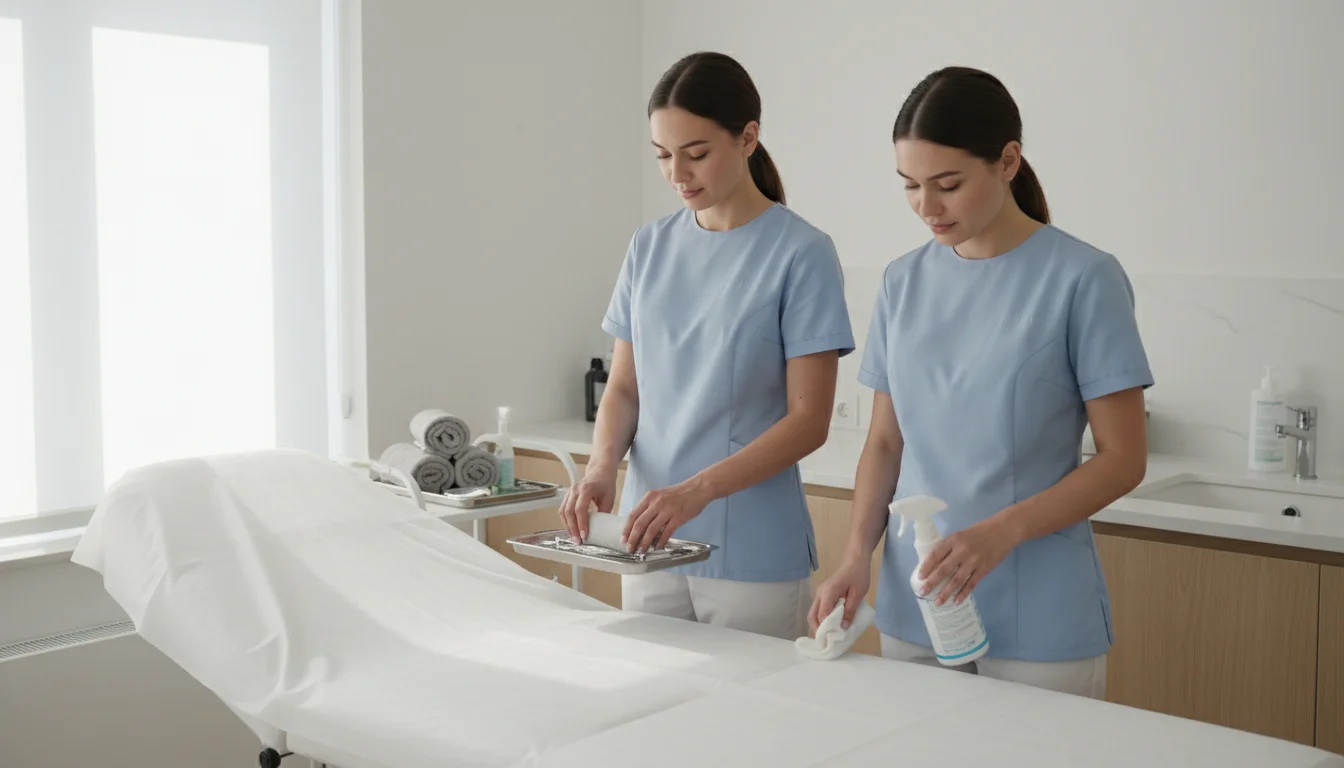
Hygiene has always been paramount in professional waxing, but new medical device innovations are raising the bar. Gone are the days of simple barbicide jars. We’re seeing the widespread adoption of medical-grade UV-C sterilization chambers for all non-disposable tools. Tools are cleaned, then placed in these chambers, which emit short-wavelength ultraviolet light (200-280 nm) to destroy microorganisms, including bacteria, viruses, and spores, achieving a disinfection rate often exceeding 99.9%.
Pro Tip: Touchless Technology Everywhere
Beyond tool sterilization, consider implementing touchless technologies throughout the service environment. This includes automatic soap dispensers, sensor-activated faucets, and even touchless waste disposal systems. These small but significant upgrades reduce surface contamination and reinforce a perception of pristine cleanliness, which clients increasingly value. According to a 2025 survey by the Global Health Institute, 78% of consumers prioritize businesses with visible advanced hygiene practices. This commitment to hygiene aligns with the importance of grooming for fashion credibility.
Common Mistake: Neglecting Air Quality
While surface hygiene is important, indoor air quality is often overlooked. Investing in medical-grade HEPA air purification systems with integrated UV-C light can significantly reduce airborne pathogens and allergens. These systems filter out particles as small as 0.3 microns with 99.97% efficiency, creating a healthier environment for both clients and staff. This isn’t just about preventing illness. It’s about providing a truly clean, comfortable experience.
4. Use Augmented Reality (AR) for Consultations and Education
Augmented Reality is transforming the consultation process. Instead of static images or verbal descriptions, AR platforms like SkinView AR allow clients to visualize potential outcomes directly on their own skin. Using a tablet or smart mirror, technicians can overlay simulated results of hair reduction, demonstrating the expected coverage and skin texture improvements. This interactive experience clarifies expectations and builds confidence.
Pro Tip: Interactive Aftercare Guides
Extend AR beyond initial consultations. Develop AR-enabled aftercare guides that clients can access on their smartphones. Imagine a client scanning a QR code to launch an AR experience that visually demonstrates the correct application technique for a post-waxing serum or how to identify and address minor skin irritations. This helps clients with knowledge and reinforces your commitment to their well-being even after they leave the salon. For those preparing for special occasions, these tips can ensure festive waxing results are flawless.
Common Mistake: Overwhelming Clients with Tech
The goal of AR is to enhance, not complicate. A common pitfall is to introduce too many features or make the interface overly complex. Keep AR demonstrations focused, intuitive, and brief. The technology should feel like a natural extension of the conversation, not a distracting gimmick. A good AR experience should be smooth, allowing the technician to guide the client through relevant visualizations without technical hiccups.
5. Embrace Sustainable and Hypoallergenic Product Lines
Innovation isn’t just about high-tech gadgets. It also extends to the consumables. The market is seeing a surge in sustainably sourced, hypoallergenic, and ethically produced waxing products. This includes waxes formulated with natural resins, essential oils, and soothing botanicals, free from parabens, phthalates, and synthetic fragrances. Manufacturers like EcoWax Pro are leading this charge, offering hard waxes that adhere effectively to hair without irritating the skin, minimizing redness and post-waxing sensitivity.
Pro Tip: Transparent Sourcing
Clients are increasingly discerning about the products used on their skin. Be transparent about your product sourcing. Display certifications for organic ingredients, cruelty-free testing, or fair-trade practices prominently. This builds trust and appeals to a demographic that prioritizes ethical consumption. It’s not just about what the product does. It’s about how it’s made. To avoid common pitfalls, it’s wise to understand new product myths that could derail your success.
Common Mistake: Assuming All “Natural” is Good
A significant misconception is that “natural” automatically equates to “better” or “hypoallergenic.” Some natural ingredients can still cause allergic reactions. Always conduct a patch test, especially with new clients or new products, regardless of their “natural” claims. Maintain a detailed record of client sensitivities to ensure a safe and comfortable experience. The integration of these medical device innovations and forward-thinking practices isn’t an option. It’s a strategic imperative for any professional waxing service aiming to offer a truly future-ready smooth experience. Businesses that embrace these advancements will differentiate themselves, attract a discerning clientele, and set new industry benchmarks.
What is a multi-wavelength laser system?
A multi-wavelength laser system combines several different laser wavelengths (e.g., alexandrite, diode, Nd:YAG) into a single device. This allows practitioners to effectively treat a broader spectrum of skin tones and hair types, optimizing hair reduction results and minimizing risks.
How does AI improve skin diagnostics for waxing?
AI-powered skin diagnostics use algorithms to analyze high-resolution images of the skin, identifying subtle conditions, melanin levels, and follicle characteristics. This provides objective data for tailoring waxing protocols, selecting appropriate products, and predicting potential sensitivities more accurately than manual assessment.
What are the benefits of UV-C sterilization chambers for waxing tools?
UV-C sterilization chambers use short-wavelength ultraviolet light to destroy bacteria, viruses, and other microorganisms on non-disposable waxing tools. This significantly enhances hygiene standards, providing a medical-grade level of disinfection that instills greater client confidence and reduces the risk of infection.
Can Augmented Reality (AR) really help with waxing consultations?
Yes, AR can significantly enhance waxing consultations by allowing clients to visualize simulated treatment outcomes directly on their own skin using a tablet or smart mirror. This interactive experience helps manage expectations, clarifies the benefits of hair reduction, and engages clients more effectively in their treatment plan.
Why is transparent sourcing important for waxing products?
Transparent sourcing for waxing products builds client trust by demonstrating a commitment to ethical and sustainable practices. Clients increasingly seek products that are sustainably produced, cruelty-free, and free from harsh chemicals, and clearly communicating these aspects can differentiate a professional service in a competitive market.


