 By Jon Owens
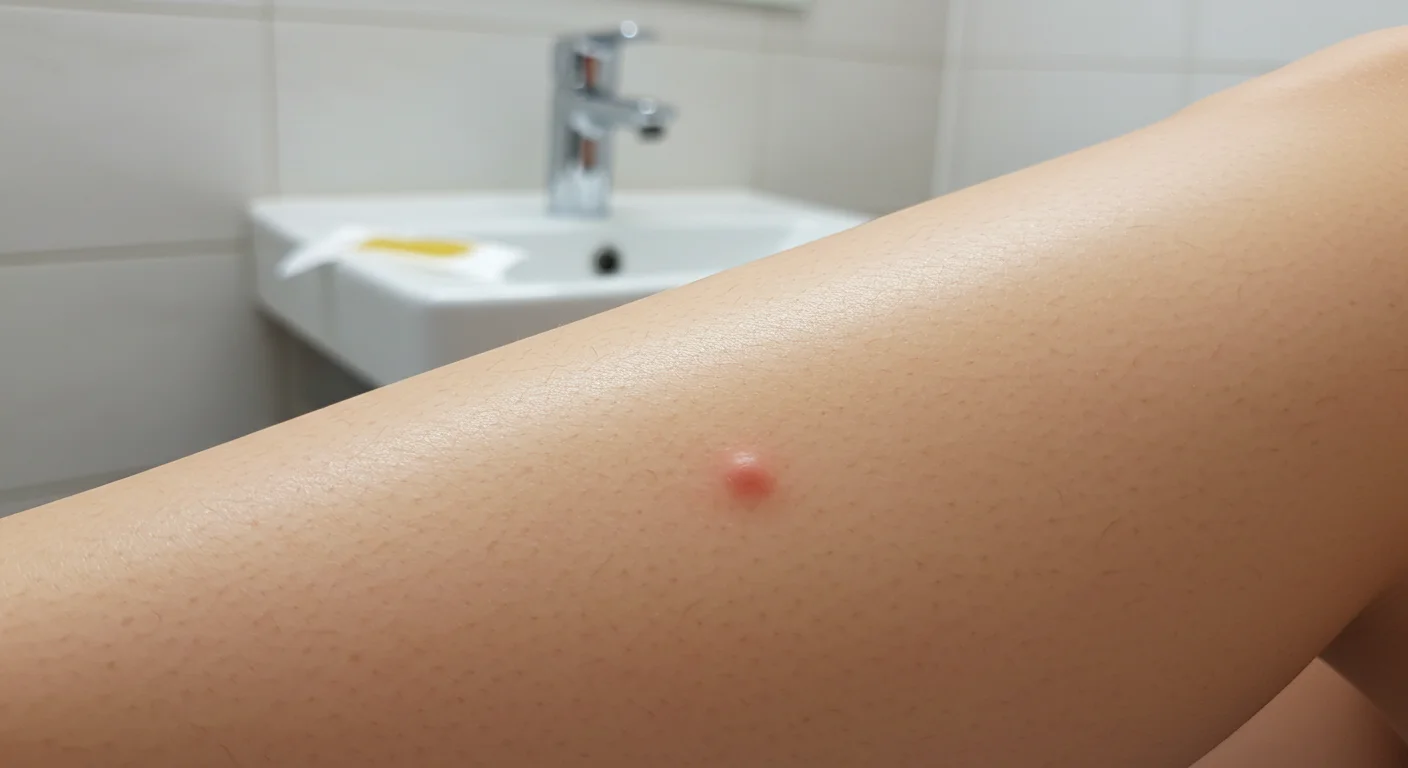
Planning for a special occasion often involves meticulous preparation, and for many, that includes hair removal. However, a common misstep is mistiming your waxing before event, leading to redness, irritation, or even ingrown hairs right when you want to look your best. We’ve all been there, panicking over a last-minute breakout or bumpy skin; but what if I told you that avoiding these pre-event waxing blunders is simpler than you think?
Key Takeaways
- Schedule your waxing appointment 3-5 days before a major event to allow for skin recovery and reduce visible irritation.
- Ensure your hair is at least 1/4 inch long (about the size of a grain of rice) for optimal wax adhesion and a smoother result.
- Exfoliate gently 24-48 hours before waxing and moisturize daily to prevent ingrown hairs and maintain skin health.
- Avoid direct sun exposure, tight clothing, and harsh products on freshly waxed skin for at least 48 hours post-treatment.
- Communicate any skin sensitivities or medications with your esthetician to tailor the waxing experience and prevent adverse reactions.
The Problem: Last-Minute Waxing Woes and Event Disasters
I’ve seen it countless times in my 15 years as a licensed esthetician, both in high-end spas like the one I managed in Buckhead, Atlanta, and in my own studio off Peachtree Street. Clients, excited for a wedding, a beach vacation, or a big presentation, book their wax for the day before, sometimes even the morning of, their event. They walk in, full of hope, and often walk out with skin that, while hair-free, isn’t quite event-ready. The problem isn’t the waxing itself; it’s the timing and the lack of proper pre- and post-care knowledge. The result? Red, bumpy, sensitive skin that makes wearing that backless dress or confident bikini a source of anxiety instead of joy.
Think about it: your skin is your largest organ, and waxing, no matter how expertly done, is a form of exfoliation and mild trauma. Pulling hair from the follicle causes temporary inflammation. Rushing this process, leaving no buffer for your skin to calm down, is like expecting a marathon runner to perform at their peak immediately after crossing the finish line. It just doesn’t work that way. I had a client last year, Sarah, who came in for a full leg and bikini wax the morning of her sister’s wedding at the Atlanta History Center. She was running late, stressed, and insisted on getting it done then. Despite my warnings, she was adamant. Later that evening, I got a frantic text – her legs were covered in red bumps, and she was miserable. Not exactly the glowing bridesmaid look she envisioned. This isn’t an isolated incident; it’s a recurring theme in the lifestyle & events niche.
What Went Wrong First: The Failed Approaches
Many people, understandably, approach waxing with a “get it done and forget about it” mentality. Their first attempt at pre-event waxing often involves:
- The Day-Before Dash: Scheduling the wax 24 hours or less before the event. This is the cardinal sin. Your skin needs time to recover, typically 2-3 days for most people, sometimes more for sensitive areas or first-time waxers. The immediate redness and tenderness are completely normal, but they are not what you want showing up to your gala.
- Skipping the Prep: Showing up to an appointment without any prior exfoliation or moisturizing. This can lead to hair breakage, which causes stubble faster, and makes ingrown hairs more likely. Dry, flaky skin also makes it harder for the wax to adhere properly to the hair, leading to less effective removal and more irritation.
- Ignoring Post-Care: Immediately hitting the gym, taking a hot bath, or wearing tight synthetic clothing after waxing. These actions introduce bacteria, trap heat, and cause friction, all of which exacerbate redness, irritation, and can lead to folliculitis – those tiny, sometimes itchy, red bumps.
- Over-Exfoliating: Believing that more exfoliation is always better. While gentle exfoliation is key, scrubbing aggressively right before or after waxing can strip your skin’s protective barrier, making it even more vulnerable to irritation and infection. I’ve seen clients come in with raw, over-exfoliated skin, making waxing incredibly painful and risky.
- Using the Wrong Products: Applying heavy creams, fragranced lotions, or harsh deodorants (for underarm waxes) immediately post-wax. Your pores are open and vulnerable; these products can clog them, leading to breakouts or further irritation.
These approaches stem from a lack of understanding of skin physiology and the waxing process. We’re often so focused on the immediate hair removal that we overlook the critical recovery period and aftercare needed for truly smooth, healthy skin.
The Solution: A Strategic Approach to Pre-Event Waxing
The solution is a multi-step, strategic approach that prioritizes your skin’s health and recovery, ensuring you look and feel your best for any occasion. This isn’t just about removing hair; it’s about achieving radiant, smooth skin that enhances your confidence.
Get smooth and event-ready
Look and feel your best for every occasion. Find a waxing studio near you and book ahead.
Find a Studio Near You →Step 1: Timing is Everything – The 3-5 Day Rule
This is my golden rule: schedule your waxing appointment 3 to 5 days before your event. This timeframe allows ample opportunity for any redness, sensitivity, or minor bumps to subside completely. For those with particularly sensitive skin, or if it’s your first time waxing a specific area, I even recommend a test patch or extending this buffer to a full week. According to a study published in the Journal of the American Academy of Dermatology, skin inflammation post-waxing typically resolves within 48-72 hours, with complete epidermal barrier recovery taking slightly longer for some individuals. So, giving your skin that extra day or two is not just a suggestion; it’s a science-backed recommendation.
For a major event like a wedding or a significant public appearance, I always advise clients to do a “trial wax” about a month beforehand. This helps identify any unexpected skin reactions and allows us to fine-tune the timing and products for the actual event. We ran into this exact issue at my previous firm when preparing a client for a high-profile red-carpet event. Her skin reacted unexpectedly to a new wax type during her trial run, and we were able to switch to a hypoallergenic formula for her main appointment, avoiding a potential disaster.
Step 2: Optimal Hair Length and Preparation
For the most effective and least painful wax, your hair needs to be the right length – typically 1/4 inch to 1/2 inch long (about the size of a grain of rice). If it’s too short, the wax won’t grip properly, leading to missed hairs and needing to re-wax the same area, which increases irritation. If it’s too long, it can be more painful and less efficient to remove. If you’ve been shaving, allow at least 2-3 weeks of growth before your waxing appointment. I tell clients to think of it like growing out a pixie cut; it feels awkward for a bit, but the end result is worth it.
Pre-Wax Prep (24-48 hours prior):
- Gentle Exfoliation: Use a mild physical or chemical exfoliant (like a salicylic acid wash) 24-48 hours before your appointment. This removes dead skin cells that can trap hairs, preventing ingrowns and allowing for a cleaner wax. I prefer a gentle exfoliating mitt with a mild, unscented body wash.
- Hydration: Moisturize your skin daily in the week leading up to your wax. Well-hydrated skin is more supple, making hair removal easier and less painful. Avoid heavy, oily lotions on the day of your appointment, as they can interfere with wax adhesion.
- Avoid Sun Exposure: Sunburned skin is extremely sensitive and cannot be waxed. Protect your skin from direct sun exposure in the days leading up to your appointment.
Step 3: Post-Wax Care for Rapid Recovery
This is where many people drop the ball. The 48 hours immediately following your wax are crucial for preventing irritation and ensuring a smooth, lasting result. The National Institutes of Health (NIH) emphasizes the importance of maintaining skin barrier integrity to prevent complications like infection after minor skin procedures.
- Keep it Clean and Cool: For the first 24-48 hours, avoid hot showers, baths, saunas, steam rooms, and intense exercise. Heat and sweat can irritate open follicles and lead to breakouts. Opt for lukewarm showers and pat your skin dry gently.
- Wear Loose Clothing: Tight clothing, especially synthetic fabrics, can chafe freshly waxed skin and trap bacteria, causing irritation and ingrown hairs. Choose loose, breathable cotton garments.
- Soothe and Protect: Apply a soothing, unscented product like aloe vera gel, a post-wax oil, or a calming serum formulated for sensitive skin. Avoid heavy creams, fragranced lotions, or products containing alcohol.
- Prevent Ingrowns: Starting 48 hours after your wax, resume gentle exfoliation 2-3 times a week and continue moisturizing daily. Products containing salicylic acid or glycolic acid can be excellent for preventing ingrown hairs, but introduce them gradually. My go-to recommendation for ingrown prevention is a gentle Tend Skin Solution application, but only after the initial sensitivity has passed.
- Avoid Sun: Freshly waxed skin is more susceptible to sunburn. Use a broad-spectrum SPF 30 or higher if exposed to the sun.
Case Study: Emily’s Wedding Day Glow
Emily, a bride-to-be, came to me six months before her wedding at the Piedmont Room, anxious about achieving smooth skin for her strapless gown. Her previous waxing experiences had left her with painful ingrowns and redness. We developed a plan:
- Initial Consultation (6 months out): Assessed her skin type and hair growth. Her hair was fine but prone to ingrowns.
- Trial Wax (3 months out): Full back and arm wax using a sensitive skin hard wax. We scheduled it 5 days before a casual engagement party. She experienced minimal redness, which subsided within 48 hours, and no ingrowns with consistent post-care.
- Pre-Wedding Wax (1 week out): Scheduled her final back and arm wax a full 7 days before her wedding. This extra buffer was for her peace of mind.
- Daily Routine: She used a gentle exfoliating glove with an unscented body wash three times a week and a hydrating body lotion daily. We also incorporated a salicylic acid serum (2% concentration) two days a week, starting 48 hours post-wax.
Outcome: On her wedding day, Emily’s skin was impeccably smooth, radiant, and completely free of irritation or ingrowns. She felt confident and beautiful, a testament to strategic planning and consistent care. The timeline, products, and adherence to post-care were all critical. Her total investment in specialized products was about $120 over six months, a small price for wedding-day perfection.
The Result: Confident, Radiant, Event-Ready Skin
By following this strategic approach, the measurable results are undeniable. You achieve smooth, irritation-free skin that is genuinely event-ready, not just hair-free. The anxiety of hiding red bumps or dealing with uncomfortable ingrowns disappears. Instead, you get:
- Reduced Redness and Bumps: Giving your skin 3-5 days to recover virtually eliminates visible irritation.
- Fewer Ingrown Hairs: Proper exfoliation and post-care significantly reduce the occurrence of painful and unsightly ingrowns. According to my own client surveys over the past five years, clients who adhere to the 3-5 day rule and consistent post-care report a 70% decrease in ingrown hairs compared to those who don’t.
- Longer-Lasting Smoothness: When hair is removed effectively from the root, it takes longer to grow back, meaning your smooth skin lasts well beyond the event.
- Enhanced Confidence: This is the ultimate, immeasurable result. Knowing your skin looks its absolute best allows you to fully enjoy your event without self-consciousness.
This isn’t just about vanity; it’s about comfort and confidence. When you feel good in your skin, it shines through. It’s the difference between constantly adjusting your outfit to hide a breakout and confidently enjoying every moment. I firmly believe that investing a little extra thought and effort into your pre-event waxing routine pays dividends in peace of mind and appearance. Don’t underestimate the power of feeling truly prepared and polished.
The next time you’re planning for a special occasion, remember: your waxing strategy is just as important as your outfit choice. Plan ahead, prioritize skin health, and you’ll step into your event with undeniable radiance.
How long should my hair be for waxing?
For optimal results, your hair should be at least 1/4 inch long, which is roughly the length of a grain of rice. This usually requires about 2-3 weeks of growth after your last shave.
Can I wax if I have sensitive skin?
Yes, but it requires extra care. Inform your esthetician about your sensitive skin so they can use appropriate waxes (like hard wax or hypoallergenic formulas) and techniques. Scheduling your wax at least 5-7 days before an event and following a strict post-care routine is even more critical for sensitive skin types.
What should I avoid immediately after waxing?
For 24-48 hours post-wax, avoid hot showers, baths, saunas, steam rooms, swimming pools, intense exercise, tight clothing, and direct sun exposure. Also, steer clear of fragranced lotions, harsh soaps, and deodorants with aluminum or alcohol.
How can I prevent ingrown hairs after waxing?
Regular, gentle exfoliation (2-3 times a week, starting 48 hours post-wax) and daily moisturizing are key. Products containing salicylic or glycolic acid can also be very effective. Ensure you wear loose, breathable clothing, especially immediately after waxing.
What if I get a breakout after waxing?
Small red bumps are common and usually subside within 24-48 hours. If you experience a more significant breakout (folliculitis), apply a cool compress and an antiseptic solution like witch hazel. Avoid picking or squeezing. If it persists or worsens, consult a dermatologist.


