 By Editorial Team
A regular pilates class regimen builds a powerful connection between mind and body, leading to serious core strength and a grounded sense of self-assurance. The practice emphasizes intentional engagement over just going through the motions, which creates a resilient foundation for any kind of fitness prep.
Key Takeaways
- Sticking with pilates 3-4 times a week pays off, showing big improvements in core stability and functional strength in about 8-12 weeks.
- The focus on breathing and control in pilates improves the body’s spatial awareness (proprioception) and helps correct musculoskeletal imbalances, which means better posture and fewer injuries.
- Adding classic pilates moves like the “hundred” or the “teaser” to your workouts will make you better at other sports because they target the deep abdominal muscles that other exercises miss.
- Form is everything in pilates. You need it to get the real benefits and avoid just compensating with the wrong muscles, which is why individualized instruction or small group classes are so effective.
- Because it’s low-impact, pilates is a great way to build muscular endurance and flexibility, making it a fitness routine you can stick with no matter your age or starting fitness level.
The Focus on Core Strength in 2026
By 2026, the world of functional fitness has finally centered on what practitioners have known for years: a strong core is the absolute center of physical well-being. A powerful core is the powerhouse for all movement, directly affecting balance, posture, and how efficiently you do pretty much anything. It’s what lets you lift groceries without tweaking your back, hold good form on a long run, or just sit at your desk all day without feeling it later. All of these daily moves depend on a core that’s been properly conditioned.
Most people hear “core” and just think “six-pack,” but that’s not even half the story. What good is a six-pack if your back hurts all the time? The real core is a whole system of muscles working together: the deep transverse abdominis that acts like a corset, the obliques on your sides, the multifidus and erector spinae along your spine, and even the pelvic floor. These deep stabilizers protect your spine, transfer power between your upper and lower body, and let you move smoothly. If you ignore them, your body starts to compensate, which is a fast track to lower back pain, bad posture, and getting hurt.
I’ve seen it time and again with everyone from pro athletes to total beginners, when they finally commit to real core training, their entire physical ability changes. It’s a fundamental shift in how they move, not some quick fix. The payoff for building core strength shows up everywhere, from hitting a new PR in the gym to just being able to go about your day without aches and pains.
Pilates: It’s All About Precision and Control
The Pilates method, which Joseph Pilates created back in the early 20th century, is an incredibly effective way to build core strength and body awareness. Every movement is guided by its core principles of concentration, centering, control, precision, breath, and flow. Instead of brute force or endless high-impact reps, pilates emphasizes mindful engagement and controlled execution. The exercises are designed to make multiple muscle groups work together at once, building strength that’s integrated, not isolated.
Beach-ready, wedding-ready, anytime-ready skin
Look and feel your best for every occasion. Find a waxing studio near you and book ahead.
Find a Studio Near You →The focus on precision is a huge part of what makes pilates work. Instead of just going through the motions, you’re taught to concentrate on the quality of every single movement, ensuring you’ve got proper alignment and the right muscles are firing. This attention to detail maximizes the exercise’s effectiveness and teaches your body better awareness, improving both proprioception (knowing where you are in space) and kinesthetic sense. For example, during a classic “hundred,” it’s the subtle work of engaging deep abs while holding a neutral spine that gets results, not just mindlessly crunching.
A 2024 study in the Journal of Bodywork and Movement Therapies confirmed what practitioners have known for years, finding that consistent pilates helps a lot with chronic lower back pain and functional mobility in adults over 40. In the study, people who did three 60-minute pilates classes a week for 12 weeks saw their pain intensity drop by 45% and their scores for daily living activities improve by 30% compared to a group that did nothing. These numbers really show what the method can do.
| Factor | Pilates | Traditional Core Work |
|---|---|---|
| Key Focus | Mind-body focus, how you move matters | Usually just reps, muscles working alone |
| Core Definition | Deep system: transverse abdominis, obliques, pelvic floor | Mostly focused on the “six-pack” (rectus abdominis) |
| Impact Level | Low-impact, focuses on control | Can be high-impact and repetitive |
| Benefit Timeline | Noticeable stability gains in 8-12 weeks (at 3-4x/week) | Results vary, doesn’t focus on the whole system |
| Injury Prevention | Corrects imbalances, protects the spine | Ignoring deep muscles can lead to injury |
| Form Emphasis | Form is everything. Needs expert feedback | Little focus on precise form |
How to Add Pilates to a Fitness Prep Routine
Adding pilates to your fitness prep isn’t about replacing what you already do. It’s about making everything else work better. It builds a foundation that boosts performance and cuts down injury risk in your other activities. If you’re a runner, a strong pilates core means more stability and better power transfer which gives you more efficient strides with fewer hip and knee problems. For lifters, that core strength provides a solid platform for heavy lifts, protecting the spine and allowing for more force production. Even if your main activity is gardening, the balance and flexibility you get from pilates makes a huge difference.
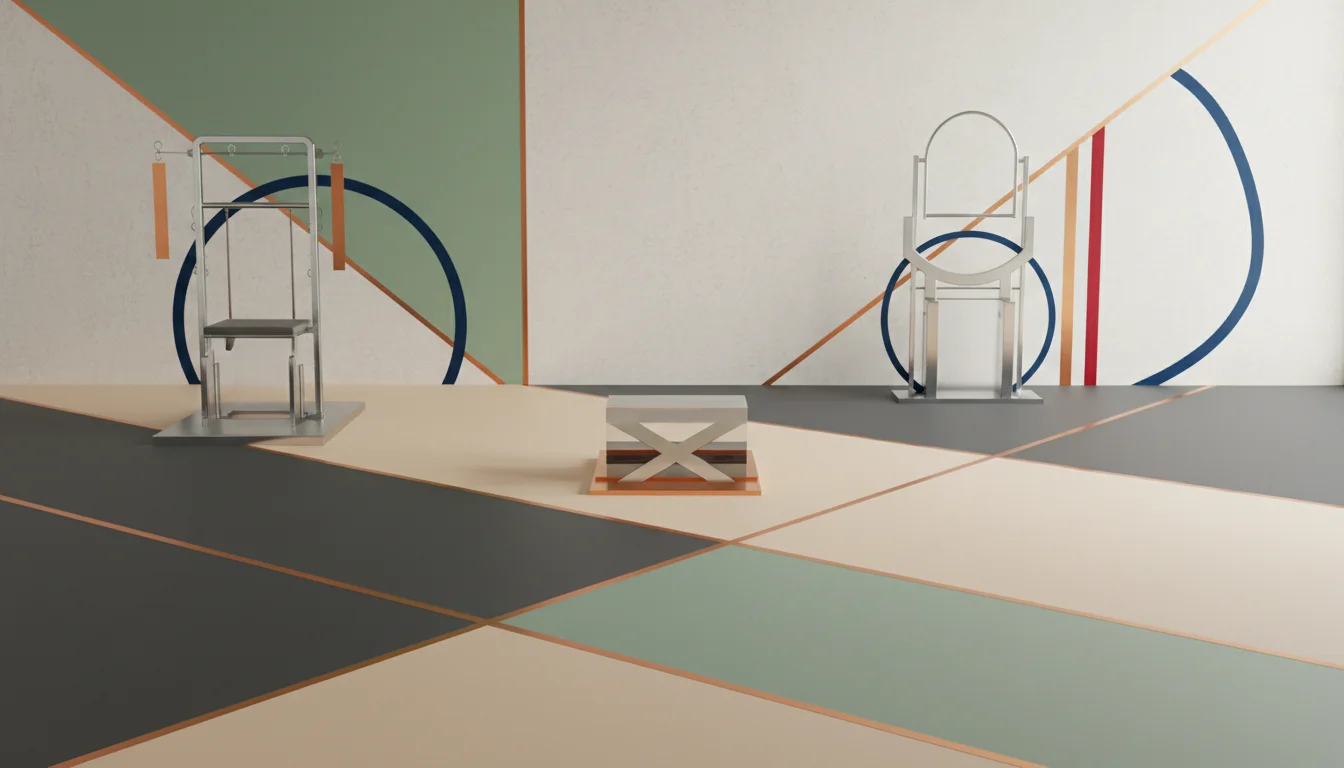
A good way to start is with 2-3 dedicated pilates sessions a week. Many studios offer a mix of mat and reformer classes, which is great for variety and for hitting different parts of your core and flexibility. Mat pilates just uses your own bodyweight and gravity, so you can do it anywhere. Reformer pilates uses a specific machine with springs and pulleys that adds resistance or provides assistance, opening up a huge range of new exercises and challenges. The mat work is seriously tough and builds a very deep kind of strength.
When you’re looking for a studio or instructor, check for certifications from good organizations like the Pilates Method Alliance (PMA) pilatesmethodalliance.org or Balanced Body pilates.com. A good instructor will give you personal feedback, watch your form like a hawk, and know how to modify exercises for your specific needs and fitness level. That kind of personalized attention is especially important for beginners to avoid getting hurt and to make sure they’re actually getting the benefits.
Beyond the Mat: The Mental Game
The physical gains from pilates get all the attention, but the mental and emotional effects are just as significant. The intense focus you need for every single movement, combined with the specific breathing, basically turns a session into a form of moving meditation. This practice encourages mindfulness, helping to quiet the background noise of daily life and brings attention to what’s happening right now.
The breathing is key. When it’s controlled and synced with movement, it activates the parasympathetic nervous system, which is the body’s “rest and digest” mode that promotes relaxation and lowers stress. This is backed by research. A 2025 review in Mindfulness & Health Quarterly found that people who did pilates regularly had much lower reported stress and anxiety than control groups, and they credited the breath control and body awareness. There’s a real physiological reason this works.
Plus, there’s a huge confidence boost that comes from finally nailing a complex move or just noticing you’re stronger and more flexible than you were last month. That feeling of accomplishment doesn’t stay in the studio, either, it carries over, making you feel more capable of handling other challenges. The process of constantly refining your movements, even tiny adjustments, gives you a new appreciation for what your body can do. It’s a constant learning process, and that’s a big part of the appeal.
Sticking with pilates builds both physical and mental resilience. Cultivating core strength through precise movement and focused breathing refines your physique while building a lasting confidence that carries over into the rest of your life.
How often should I attend a pilates class to see results?
Aim for 3-4 sessions per week for noticeable improvements in core strength, flexibility, and body awareness. In the beginning, consistency is more important than intensity, as it allows the body to adapt and build a solid foundation.
Is pilates suitable for beginners with no prior fitness experience?
Absolutely. Pilates is very adaptable for beginners. Most studios have intro classes where instructors can modify exercises for any fitness level or physical limitation. Its focus on controlled movement is a great way to start building strength.
What is the difference between mat pilates and reformer pilates?
Mat pilates is done on a mat and just uses your own bodyweight for resistance. Reformer pilates uses a specific machine with springs and pulleys for adjustable resistance or assistance, which allows for a much wider range of exercises and is great for rehab.
Can pilates help with lower back pain?
Yes, many people get significant relief from lower back pain. Pilates strengthens the deep core muscles that support your spine, which improves posture and increases flexibility, all things that help ease and prevent back pain. (Of course, check with a doctor first for any specific medical issues.)
What should I look for in a pilates instructor or studio?
Look for instructors with certifications from respected organizations like the Pilates Method Alliance (PMA). The best instructors give personal attention, provide clear instructions, and know how to modify exercises for you. A clean, well-kept studio with the right equipment is also a must.


