 By Editorial Team
Millions of people flock to Munich for Oktoberfest every year, and you can find that same spirit at local celebrations far from Bavaria. Looking the part is half the fun, whether you’re at the original Wiesn or closer to home. But getting your dirndl ready is about embracing tradition and preparing practically, not just grabbing a dress off the rack. So, are you actually ready for this iconic beer festival?
Key Takeaways
- Your dirndl should be made from natural fibers like cotton or linen for comfort and breathability during long festival days.
- The bodice must fit snugly but still let you raise your arms and sit down comfortably without feeling squeezed.
- Pick an apron that matches your dirndl, and remember the bow’s placement is a code for your relationship status.
- You’ll be standing and walking for hours, so get comfortable, supportive shoes with a low heel or flat sole.
- Do any hair removal at least 48 hours before the festival to give your skin time to calm down and avoid irritation.
1. Selecting Your Dirndl: Fabric and Fit are Paramount
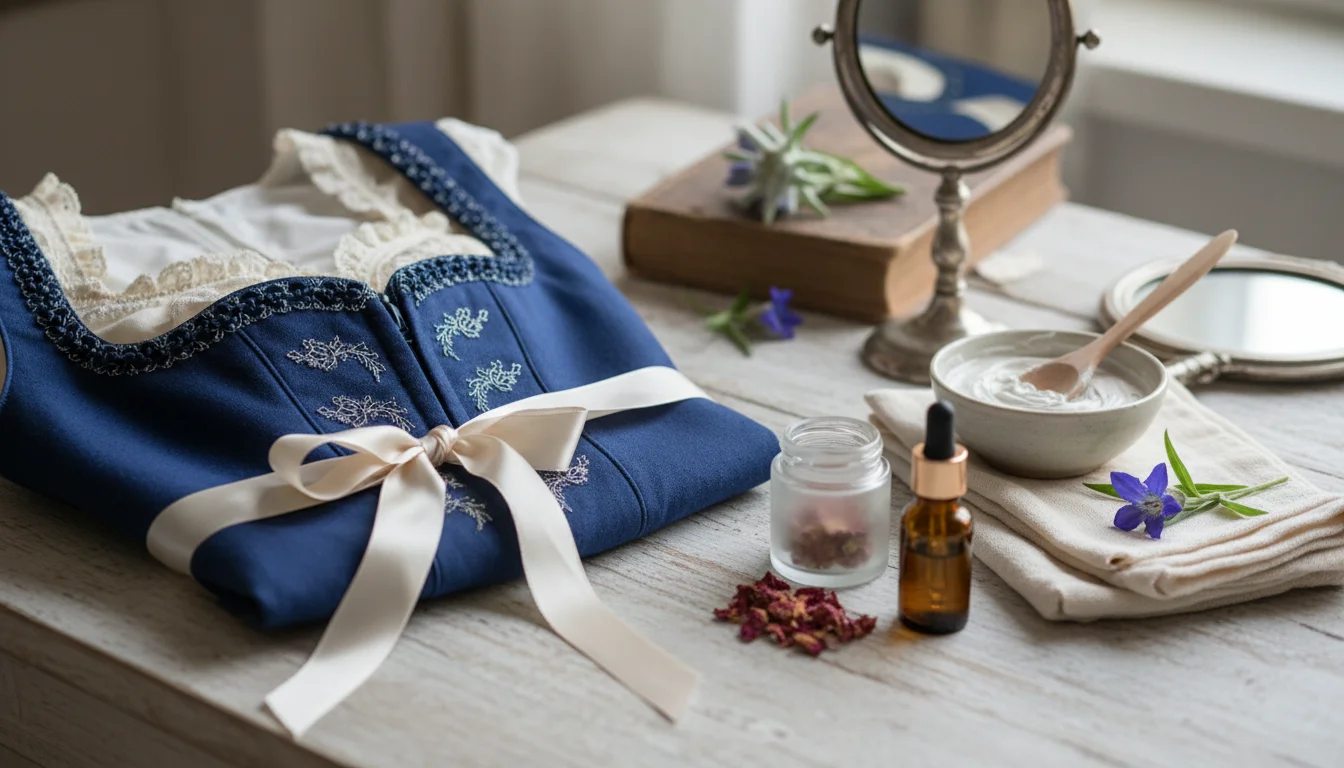
The dirndl is central to your Oktoberfest look, so don’t rush the choice. Your comfort for the entire festival depends on two things: fabric quality and fit. Stick to natural fibers like cotton, linen, or a good cotton blend because they breathe, which makes a huge difference when you’re packed into a tent or sitting in the autumn sun. I’ve seen so many people miserable by 3 PM because they chose a cheap polyester dirndl that traps heat and feels like wearing a plastic bag after a few hours of dancing. Don’t be that person.
For the fit, the dirndl’s bodice needs to be snug, but it shouldn’t feel like a corset. It should define your waist, not cut into it. Many traditional dirndls have lacing or hooks up the front, which lets you make small adjustments. The skirt length should be classic and respectful, meaning it falls below the knee to your mid-calf. A good fit means you can actually move, you can lift a heavy stein, dance to polka music, and sit down at a beer garden table without your ribs screaming. Before you buy, test it out. Lift your arms over your head. Sit down. Can you breathe? These little checks save you a world of pain later.
Pro Tip: If you’re between sizes, especially for your first dirndl, buy the size up. It’s way easier to get it taken in than to try and let out a bodice that’s already straining at the seams. Most specialty shops can do alterations for you to get that perfect tailored fit.
2. The Apron and Blouse: Details That Define Your Look
Your apron and blouse are key parts of the whole dirndl look, and each has its own job to do. The blouse goes underneath. It’s almost always white or cream and has puffed sleeves with a sweetheart or square neckline. That neckline shape works with the dirndl’s bodice to show off the décolletage (tastefully, of course). Cotton or lace blouses are your best bet for comfort against your skin. The sleeves can be short puffs or three-quarter length, so just pick what you like and what works for the weather.
The apron might be the most important detail. First, its color and pattern should look good with the rest of the dress. But the real secret is where you tie the bow, because it’s a code. If you tie the bow on your left side, you’re single. Tie it on the right side, and you’re in a relationship or married. A bow tied right in the center front traditionally means you’re a virgin (though you don’t see that one much anymore). And a bow tied in the back means you’re a widow or a waitress working the tent. I always tell my friends to think about where they’ll tie theirs ahead of time, especially if they’re hoping to meet someone new.
Common Mistake: Forgetting about the apron bow’s meaning. It seems small, but it’s a real tradition people pay attention to. Tying it on the “wrong” side can lead to some awkward conversations or missed chances, depending on what you’re there for.
Get smooth and event-ready
Look and feel your best for every occasion. Find a waxing studio near you and book ahead.
Find a Studio Near You →“It includes more than £3.8m raised by BBC Radio 2 host Owain Wyn Evans, who completed his challenge of cycling through all four UK nations – riding almost 400 miles between Glasgow and Cardiff.”
3. Footwear: Comfort is Non-Negotiable for Long Days
So many first-timers get this wrong by picking cute shoes over comfortable ones. You’re going to be standing, walking, and dancing for hours, a lot of it on uneven ground or beer-soaked floors. You absolutely must have comfortable and supportive footwear. The traditional option is a sturdy leather shoe called a “Haferlschuh,” which is built to last. For women, your best options are comfy flats, low-heeled ankle boots, or even some clean, stylish sneakers that work with your outfit. Just please, no high heels or flimsy sandals.
Make sure your shoes have decent cushioning and arch support. Throwing in some gel insoles is a great idea if you’re planning an all-day marathon. Blisters will ruin your fun faster than anything else. You have to break in any new shoes for a few weeks before you go. I can’t tell you how many people I’ve seen hobbling around by evening, completely miserable because of their shoes. Be practical. Your feet will be so much happier after 10 hours of trekking around the festival grounds and singing on benches.
4. Hair and Makeup: Embracing Traditional Charm
When it comes to hair, braids are the traditional go-to. A braided crown or just two simple braids framing your face is a classic look that’s also super practical because it keeps your hair out of your face all day, even if you’re dancing. You can stick some small flowers or ribbons in them that match your dirndl. If you hate braids, a clean updo or even some polished loose waves will do the trick. You just want a style that looks festive and will last all day.
For makeup, keep it natural and fresh. Rosy cheeks, a bit of mascara, and a nice lip color are perfect. Don’t go for heavy foundation or a dramatic smokey eye, it just looks weird with the traditional outfit and probably won’t survive the day in a hot tent anyway. You’re just trying to enhance what you’ve got and reflect the fun, celebratory vibe. A spritz of setting spray is a good move to help it all stay put.
Pro Tip: Do a trial run of your hairstyle a couple of times before the big day. This makes sure you can actually do it when you’re in a hurry and that it won’t fall apart after an hour. A good strong-hold hairspray is your friend, especially if your hair is fine or you plan on dancing a lot.
5. Undergarments and Accessories: The Finishing Touches
What you wear underneath matters for both the final look and your comfort. You need a well-fitting bra that gives good support and shape, because the dirndl bodice is designed to work with one. Also, wear smooth underwear so you don’t have lines showing through the skirt. The whole point is to create a smooth, flattering silhouette.
Choose your accessories with care. Small, delicate jewelry, think pearl earrings or a simple necklace, adds a nice touch without being overpowering. Just stay away from anything too big, flashy, or modern. A small, cross-body bag is the most practical way to carry your phone, cash, and lip balm, since it leaves your hands free for a stein and a pretzel. Make sure it’s secure. You can add traditional touches like an edelweiss pin or a little hat (a Trachtenhut), but don’t go crazy. Less is often more when you’re going for that classic charm.
Common Mistake: Bringing a huge purse. The festival grounds are packed. You’ll be so glad you have a small, secure bag that isn’t constantly getting in the way. Only bring the absolute essentials for the day.
6. Pre-Festival Grooming: A Smooth Experience
A little grooming beforehand goes a long way for your comfort and confidence. If you’re going to do any hair removal (shaving, waxing, whatever), do it at least 48 hours before you go. That buffer gives your skin time to calm down so any redness or bumps can disappear. If you do it right before, you risk nasty chafing, especially with the snug dirndl in a hot tent. For instance, if you wax, book it with a professional who uses gentle aftercare products so you don’t end up with ingrown hairs. You don’t want to be distracted by irritated skin when you’re trying to have fun.
Besides hair removal, make sure your skin is moisturized because hydrated skin is more resilient and doesn’t get irritated as easily. Using a good body lotion every day for a week leading up to the festival really helps, especially on areas where your dirndl might rub. This kind of prep makes sure your skin feels as good as your outfit looks, letting you focus on the party without any distractions.
Getting your dirndl sorted is part of the fun of Oktoberfest, where you get to mix tradition with your own style. If you focus on being comfortable, looking authentic, and doing some practical prep, you’ll not only look great but feel great all day. The whole point is to enjoy yourself, from the music to the new friends you’ll make, and having an outfit that works with you instead of against you is a huge part of that.
What’s the right length for a dirndl skirt?
The traditional length is mid-calf, falling below the knee. It’s the classic and respectful look for the festival.
What does my apron bow’s placement mean?
Tied on your left: you’re single. On the right: you’re in a relationship. In the front center: traditionally means you’re a virgin. In the back: you’re a widow or a waitress.
What kind of shoes should I wear?
Comfort is everything. Wear supportive shoes with good cushioning like low-heeled boots, sturdy flats, or traditional Haferlschuhe. You’ll be standing and walking a ton.
When should I do my hair removal?
Plan any shaving or waxing for at least 48 hours before you go. This gives your skin time to recover from any irritation or redness, so you’ll be comfortable.
Can I wear my usual jewelry?
It’s best to stick to simple, delicate jewelry like pearl earrings or a small necklace. Big, modern, or flashy pieces tend to clash with the traditional look.


