 By Editorial Team
Key Takeaways
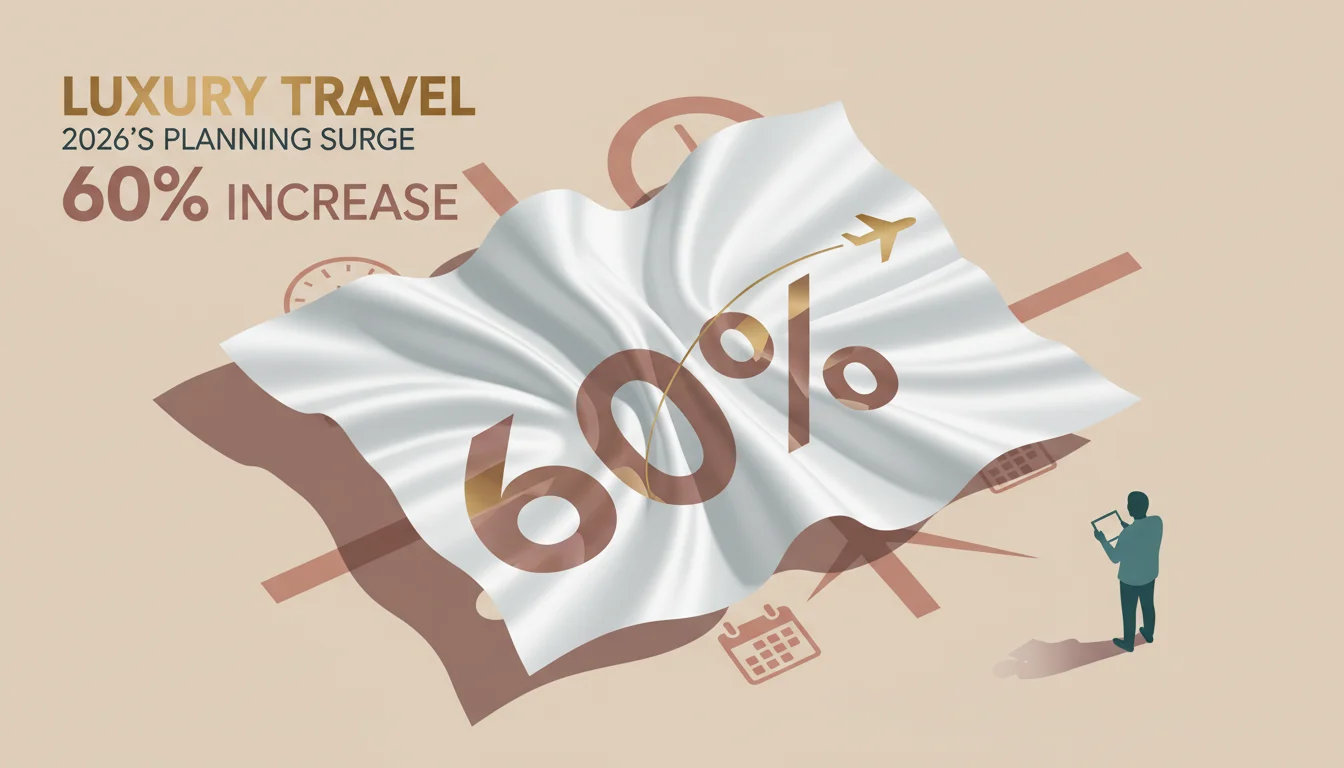
- Serious luxury travelers plan way ahead. A 2025 report from the Luxury Travel Market Association (LTMA) found that 60% book international trips six months or more in advance to lock down the best accommodations and experiences.
- The final two-month prep window is for dialing in the details, including specialized services like pre-travel grooming, where getting the best results often means starting a series of appointments well before you leave.
- Concierge services are a big part of the picture now. Platforms like Quintessentially are planning bespoke itineraries, chartering private jets, and getting high-net-worth clients into invitation-only events.
- To look polished for the whole trip, many travelers use a multi-session approach for hair removal, starting with treatments spaced four to six weeks apart and then following up with maintenance.
- Sustainability is no longer an afterthought. Statista reported in 2025 that 70% of high-net-worth individuals are willing to pay a premium for eco-friendly travel and experiences that are ethically sourced.
Getting the most out of luxury travel in 2026 means planning carefully. Spontaneity is out. As exclusive destinations and hyper-tailored experiences become the norm, the lead time for booking, and for getting yourself ready, has grown. This is especially true for travelers who expect unparalleled elegance and bespoke service. So, what really goes into the two-month countdown for a top-tier international itinerary?
The Evolving Field of Luxury Travel Planning
Luxury travel has changed. It’s now about unique cultural immersion, private access to historical sites, and personalized wellness retreats, going far beyond just five-star hotels and first-class flights. This kind of travel simply requires more planning time. As a recent analysis by the Luxury Institute puts it, “The expectation for bespoke experiences means that immediate availability for truly unique ventures is rare.” People want things that are limited by nature, private yacht charters in the Greek Isles or exclusive culinary tours through Tuscany, and you can’t just book them with a click online. Getting on the list for these requires detailed consultations and, frequently, a long wait.
This is where private travel designers come in. Firms like Black Tomato or Abercrombie & Kent build itineraries from the ground up, securing access to properties and events that just aren’t available to the public. This level of customization takes time. A client might ask for a private, after-hours viewing of the Uffizi Gallery or a heli-skiing trip in the Canadian Rockies with one specific, sought-after guide. You have to engage these specialists early, sometimes a full year in advance for peak season. That makes the two-month window the critical final phase, where you’re locking in the finer points of personal readiness and making last-minute tweaks.
And the entire global travel infrastructure is always in flux. Between new regulations, shifting geopolitical situations, and the constant demand for exclusive access, you need real foresight to secure the best accommodations, private transfers, and specialist guides. A 2025 report from the World Tourism Organization (UNWTO) showed a 15% jump in demand for “experiential luxury” over the traditional kind, which just adds to the need for early planning. You’re curating an entire journey.
Personal Refinement: The Foundation of Sophisticated Travel
For a serious traveler, personal presentation is part of the experience. It involves a proactive approach to grooming and self-care that starts weeks, or even months, before the departure date. A proper hair removal strategy, for example, gets worked into this pre-travel routine. It’s a planned series of treatments designed for optimal, lasting smoothness, which is especially important for beach destinations or places where you’ll be wearing light fabrics.
Many people go for professional hair removal because a single appointment right before a trip doesn’t give you the best long-term results. Hair grows in cycles, so you need multiple sessions, usually four to six weeks apart, to treat the hair in its active growth (anagen) phase. This strategy gives you a much smoother finish that lasts for an entire extended trip. Starting this process two months out lets you get in two or three full treatments, which seriously reduces regrowth and keeps you comfortable. This methodical approach helps you avoid the irritation or patchiness that can happen with a rushed, last-minute appointment. The goal is calm, well-cared-for skin that’s ready for anything.
Beach-ready, wedding-ready, anytime-ready skin
Look and feel your best for every occasion. Find a waxing studio near you and book ahead.
Find a Studio Near You →This two-month period is also for other personal care routines. Think a series of hydrating facials to prep your skin for a new climate, or a schedule of massages to work out any pre-travel tension. It’s about arriving at your destination feeling thoroughly rejuvenated and confident. These steps are an investment in the trip itself, making sure you can enjoy every part of it, from the airport lounge to the resort, with total ease.
Logistical Mastery: Beyond the Itinerary
Two months before takeoff, your focus has to shift from the big picture to the tiny details. This is the time for a full review of all reservations, confirming private transfers, and getting any visas or international driving permits you might need. It’s also when you handle health prep: making sure your vaccinations are up to date, putting together a solid travel medical kit, and talking to a doctor about any health risks at your destination. For a lot of people, this means a trip to a travel clinic for specific advice, which can include boosters or new shots that take a few weeks to kick in.
Currency and money planning also become a priority. While you can use credit cards almost anywhere, it’s smart to have local currency for tips and small purchases. This is also about understanding local customs around tipping and how people pay for things. Experienced travelers will set up international banking services or at least give their banks a heads-up about their travel plans to avoid having their accounts frozen. And for big-ticket items or unique bookings, some luxury providers want wire transfers or other specific payment methods that you have to set up in advance.
Finalizing your communication strategy is another key step here. Are you going to use an international roaming plan from your carrier, or will you buy a local SIM card when you land? Many high-end travelers traveling to remote areas (think jungle lodges or desert camps) will rent satellite phones or other secure communication devices where normal cell service is a fantasy. You have to confirm these arrangements and test the gear beforehand to avoid connection problems that could ruin the trip. It’s about being able to get in touch, for business or an emergency, no matter where you are.
Wardrobe and Wellness: Curating Your Presence
The two-month mark is the perfect time to build a smart, versatile wardrobe for your trip. This means thinking about the climate, local culture, and the actual activities you have planned. You’ll need lightweight, neutral-colored clothes for a safari in Botswana, but formal wear for a gala in Monaco. This period gives you time for any tailoring, for dry cleaning special items, or even for getting bespoke pieces made. Nothing is worse than getting to your destination and finding out your dinner jacket is too tight or your hiking boots give you blisters. This is the time for dress rehearsals. Test everything.
Wellness routines also get more focused. Many travelers will start a specific fitness plan to get ready for things like hiking, diving, or just long days on their feet. This might involve working with a personal trainer to build stamina or doing yoga to improve flexibility. You can also tweak your diet and hydration to boost your energy and help fight jet lag. The idea is to show up feeling strong and sharp, ready to dive into the experience without being held back by fatigue.
Then there’s the packing itself. Of course, people use high-end luggage with special compartments, but how it’s packed is what really matters. Using packing cubes, garment bags, and rolling clothes can save a ton of space and prevent wrinkles. This same attention to detail should apply to your personal items, like making sure your toiletries are in travel-sized containers and any grooming tools are packed so they won’t break. It’s a methodical process. I’ve seen clients plan their outfits for each day, down to the accessories, just to avoid overpacking and make sure every look is right for the occasion.
Anticipating the Unforeseen: Insurance and Contingencies
Even the best-laid plans can go sideways. That’s why solid travel insurance is non-negotiable. Two months out is when you should be reviewing policies to make sure they cover not just medical emergencies and cancellations, but also things specific to luxury travel: loss of high-value jewelry, delays with a private jet, or the cancellation of a one-of-a-kind activity. Some of the better policies even offer concierge services for emergency re-bookings or medical evacuations. You have to read the fine print and understand the policy limits. Don’t assume your standard plan is enough for a custom itinerary.
Beyond insurance, you need contingency plans. What happens if your private chef gets sick? What if that helicopter tour gets canceled because of weather? Good luxury travel agents usually have backup options ready, but you should know what they are. This might mean you’ve already researched a few alternative activities or you know who to call locally if you’re in a bind. It’s about proactive problem-solving so that a small hiccup doesn’t ruin the whole trip. For instance, a client flying to a remote wildlife lodge might have a backup flight pre-booked on a different airline in case their main charter has a mechanical problem. That’s the kind of preparation that separates a sophisticated traveler from a tourist.
Finally, double-check all your emergency info. Make sure family or a trusted assistant has a copy of your itinerary, passport, and insurance details. This two-month window gives you plenty of time to get these administrative tasks done without rushing, so the last few weeks can be about looking forward to the trip. You’re building a safety net so you can focus completely on the experience.
Preparing for a high-end trip is its own art form. It takes foresight and a real commitment to getting the details right. By giving yourself a two-month runway, you can make sure every single part of the journey, from your personal grooming to your logistical safety net, is locked in. That’s how you create an experience of true elegance and ease.
Why do you recommend a two-month prep time for luxury travel?
A two-month window gives you enough time to coordinate all the moving parts of a bespoke trip, lock in exclusive bookings, and complete personal prep like multi-session grooming that needs several weeks to show the best results.
What kind of grooming should I start two months before a trip?
For the best results with something like hair removal, you should start a series of professional sessions about two months out. Spacing them four to six weeks apart ensures you get a smoother, longer-lasting finish and avoids any irritation right before you leave.
How do luxury travel agencies help with this kind of long-term planning?
Good travel designers are experts at building unique itineraries from scratch. They handle the complex logistics, like private transfers and specialist guides, and can often get you access to private events or properties that require significant advance notice.
What money-related tasks are important in the two months leading up to a trip?
In that period, you should figure out your currency exchange plan, notify your banks about your travel to avoid frozen accounts, and arrange any special payment methods like wire transfers that might be needed for high-end bookings.
What’s the role of travel insurance in the two-month prep phase?
It’s when you need to find and buy a policy that covers the specific risks of your trip. You want coverage that goes beyond the basics to include things like loss of high-value items, private charter delays, or cancellation of prepaid exclusive activities. It’s your financial safety net.


