 By Editorial Team
Key Takeaways
- Influencer marketing is on track to be a $30 billion+ global industry by 2027, which means brands have to get serious with data-driven strategies.
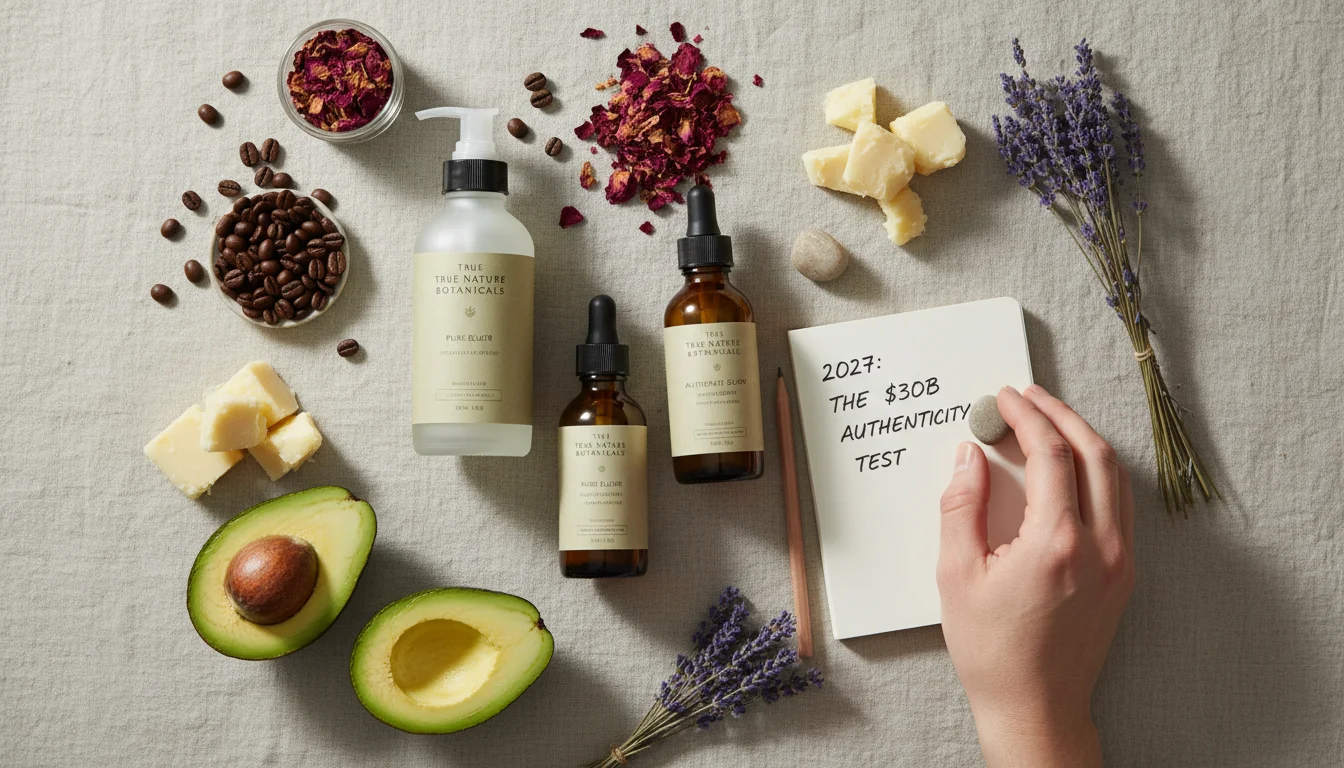
- Authenticity is everything. A full 78% of consumers say they want influencers who actually use and believe in the products they’re paid to promote.
- Micro-influencers (10k-100k followers) are still the engagement kings, pulling in rates over 5%, which blows most macro-influencers out of the water.
- Video, especially short-form stuff on TikTok and Instagram Reels, is generating 65% higher engagement for influencer campaigns than old-school static photos.
- You can’t ignore the law. FTC guidelines on disclosures are getting tighter, and failing to comply will wreck your campaign’s credibility and effectiveness.
People keep saying influencer marketing is maturing, but a report from Influencer Marketing Hub shows global spending is on pace to rocket past $29 billion in 2026, which is a huge jump from $21 billion in 2023. That kind of money on the table means both brands and creators have to get a lot smarter with their strategies, particularly if you’re trying to make an impression at an influencer marketing summit where your online presence is your entire resume. So, how do you plan to get a slice of that pie?
“More than 15 million people have been tuning in to this series.”
78% of Consumers Demand Authenticity: Beyond the Polished Facade
The numbers don’t lie: your audience is getting smarter. A 2025 Edelman study found that a massive 78% of global consumers expect authenticity and transparency from brands, and that feeling applies directly to their influencer partners. This is about genuine alignment, going way beyond just avoiding an obviously fake-looking post. I’ve been in the trenches pairing brands and influencers for years, and I can tell you audiences sniff out a forced endorsement instantly. The era of just paying for a post and calling it a day is long gone. Now, brands must build real relationships where the influencer actually uses and likes the product. Look at the “Sustainable Living” campaign from EarthKind Organics. They didn’t just hire some celebrity with a passing interest in greenwashing. They partnered with five mid-tier influencers whose entire online identity was built around sustainable living, letting them show how EarthKind products fit into their real lives. The engagement they got was 2.5 times higher than their last campaign, which used a big-name macro-influencer who just wasn’t as invested. It proves that a deep connection with an audience almost always beats sheer reach. For anyone heading to an influencer marketing summit, their online presence has to show that commitment to real connection, not just a big follower number.
Get smooth and event-ready
Look and feel your best for every occasion. Find a waxing studio near you and book ahead.
Find a Studio Near You →Micro-Influencers Outperform: Engagement Rates Up to 5.5% Higher
Sure, the idea of getting in front of millions of followers is tempting, but the data consistently shows the real power is in smaller, dedicated communities. HypeAuditor’s 2025 report on the state of the industry found that micro-influencers (those with 10,000 to 100,000 followers) hit average engagement rates between 4% and 5.5%. That’s significantly better than the 1-2% you typically get from mega-influencers. This trend isn’t new, but the fact that it’s holding strong means we have to rethink where the money and effort go. I’ve personally advised clients to move budget away from one huge name and instead build a team of 10-15 micro-influencers. For a regional restaurant chain trying to get more people in for lunch in Atlanta, for example, working with local food bloggers who had 20,000 followers each on Instagram and TikTok was a game changer. They were hyper-local, they actually talked to their followers in the comments about parking and daily specials, and a few even hosted small meetups at the restaurants. A national food critic can’t replicate that kind of direct interaction. It’s impossible. If you’re prepping for a summit, showing that you get these dynamics, that you know how to find and build relationships with these smaller creators, proves you know what you’re doing.
Video Content Dominates: 65% Higher Engagement on Short-Form Platforms
The move to video just keeps accelerating. According to a 2026 report by Statista, video is expected to make up more than 82% of all traffic on the internet. In our world, that has very real consequences: campaigns that use short-form video on platforms like TikTok and Instagram Reels are seeing engagement rates that are, on average, 65% higher than static image posts. This is a huge piece of the puzzle for building a solid online presence. But just “making a video” misses the point. The *type* of video is what matters. Audiences often connect more with raw, unpolished short-form videos than they do with slickly produced commercials. Think about all the “day in the life” vlogs, the quick product reviews shot on a phone, or the fast-paced tutorials that go viral. Even in B2B, this could be a quick LinkedIn video breaking down a complex industry shift or a rapid-fire demo of new software. An online presence, especially when you’re leading up to a big summit, has to show you can make compelling video. Are you using Reels for quick tips or TikTok for behind-the-scenes content? Tools like CapCut and InVideo have made it so anyone can create professional-looking short videos, so the technical excuse is gone.
FTC Compliance: A Non-Negotiable Foundation for Trust
Compliance might not be a sexy engagement metric, but the legal side of this business directly impacts your brand’s trust and effectiveness. The Federal Trade Commission (FTC) keeps tightening its guidelines, and they’re watching disclosure practices like a hawk. A 2025 analysis found a 20% jump in warning letters sent to influencers and brands for bad disclosures compared to the year before. The trend is obvious: regulators are getting serious about transparency. A lot of people focus only on engagement and ROI, treating compliance like some annoying chore to deal with later. In my experience, that’s an incredibly dangerous way to think. One FTC violation can bring massive fines and destroy the trust you’ve built with your audience, which is something you might never get back. Tossing “#ad” at the very end of a long caption isn’t good enough anymore. The disclosure has to be clear and impossible to miss. For video, that means saying it out loud near the beginning, not just hiding it in the description box. For an influencer marketing summit, your online presence needs to show you get this. Disclose your own partnerships clearly. Argue for ethical standards in your field. This kind of transparency builds a type of credibility that no amount of slick content can ever buy. Ignoring the rules is both risky and irresponsible.
Challenging the “Always-On” Myth: Strategic Breaks Enhance Engagement
You constantly hear that you need to be “always on”, posting, engaging, never stopping. From what I’ve seen, that’s a fast track to burnout and actually hurts your engagement over time. My own observations, which I’ve seen backed up by what a lot of high-performing creators say, is that planned, strategic breaks can actually get your audience excited and boost your numbers. Think about the “return” post. An influencer who takes a planned week off, telling their audience they’ll be back, often sees a huge spike in engagement when they post again. Their followers are genuinely happy to see them, the comments are full of excitement, and the algorithm seems to reward the renewed burst of activity. This isn’t about just ghosting for months. It’s about taking intentional pauses. For a creator getting ready for a summit, it means your online presence should be curated with purpose, not just filled with noise. Show your best stuff, highlight your key wins, and don’t be afraid to leave a little breathing room. It’s a cliché, but quality really does beat quantity. Sometimes stepping away for a minute makes people appreciate you more when you’re there. This field requires more than a surface-level approach now. It requires strategic thinking, a real commitment to being authentic, and a strict adherence to compliance. If you can nail genuine connections, use the power of micro-influencers and video, and always prioritize ethical practices, you’ll build an online presence that actually works in 2026 and beyond.
What is the most critical element for a polished online presence in influencer marketing?
Authenticity, full stop. Consumers can spot a phony from a mile away and want to see genuine passion and expertise. Your online presence has to be a real reflection of that, not just a pretty, curated feed.
How important are micro-influencers compared to macro-influencers in 2026?
They’re incredibly important. Micro-influencers consistently get much higher engagement rates, often in the 4% to 5.5% range, because their communities are smaller and more dedicated. Smart brands are putting serious budget toward them.
What role does video content play in effective influencer marketing strategies?
It’s central to any good strategy. Short-form video on platforms like TikTok and Instagram Reels is key, driving up to 65% more engagement than static images. It’s the best way to grab attention and tell a story quickly.
What legal considerations should influencers and brands be aware of regarding online presence?
You absolutely must follow FTC disclosure guidelines to the letter. Any sponsored content has to be labeled clearly and obviously, no matter the format, text, photo, or video. This is not optional and protects you and your audience.
Is constant posting necessary to maintain a strong online presence as an influencer?
No, the “always-on” pressure is mostly a myth that leads to burnout. Taking planned, communicated breaks can actually make your audience more engaged and give you time to come back with higher-quality content.


