 By Editorial Team
When Gen Z shows up to a concert, festival, or even a small get-together in 2026, they’re not aiming for over-the-top glamour. Their look is authentic and naturally smooth, and personal comfort is everything. Because of this, waxing has become a standard part of their event prep. Getting that understated, confident look just comes down to a few practical steps.
Key Takeaways
- Start gentle exfoliation with a salicylic acid cleanser before your wax to stop ingrown hairs before they start and get a better result.
- Use hard wax for sensitive spots like the face and bikini line, it sticks to the hair instead of your skin, which hurts a lot less.
- After waxing, stick to a routine of fragrance-free and alcohol-free lotions or serums to keep skin calm and healthy.
- Get your wax 2-3 days before the event so any redness has time to completely disappear.
- Stay out of the sun and avoid tight clothes right after your appointment to prevent irritation and keep your skin smooth.
1. Master Pre-Event Skin Preparation
That authentic smoothness everyone wants doesn’t just happen at the waxing appointment. It starts at home. You have to prep the skin first. I tell all my clients to begin a gentle exfoliation routine at least 24 to 48 hours before they come in, which clears the way for a clean, effective wax and helps minimize problems later. A daily wash with a salicylic acid-based cleanser for a few days beforehand works perfectly. For example, using a 2% salicylic acid facial wash with a soft silicone brush will clear out pores and lift the dead skin that can trap hairs. You absolutely have to do this to prevent ingrowns, which are a huge distraction from an otherwise smooth finish. A 2024 dermatology review in the Journal of the American Academy of Dermatology even confirmed that regular, gentle exfoliation drastically reduces folliculitis and pseudofolliculitis barbae, which are often made worse by hair removal.
Pro Tip: Stay away from physical exfoliants with big, scratchy particles like nut shells or sugar scrubs right before a wax. They can create micro-tears in the skin, which just leads to more sensitivity and irritation during your appointment.
Common Mistake: Going too hard on the exfoliation or using a strong chemical peel too close to your waxing session. This wrecks your skin barrier and makes it way more likely to get burned or lifted when the wax comes off. Stick to something mild and stop all exfoliation 24 hours before you get waxed.
2. Choose the Right Waxing Method for Different Areas
You can’t just use one type of wax for your whole body and expect great results. Different parts of you need different approaches to stay comfortable and get that perfect smoothness. For big areas like legs and arms, a good-quality soft wax (also called strip wax) is super efficient. You apply it thin and pull it off with a cloth or paper strip, so you can cover a lot of ground fast. But for the sensitive stuff, bikini line, underarms, face (like brows and upper lip), hard wax is so much better. Why? Hard wax grabs the hair, not your skin, which cuts down on the pain and the risk of irritation or bruising. This is a big deal for delicate skin you want looking perfect for photos. A professional hard wax that has calming ingredients like chamomile or calendula can make the whole thing even better. I’ve seen a client’s entire opinion on waxing change just from feeling how much less a hard wax hurts on a sensitive area. You want a comfortable process that leaves you with a naturally smooth look, not a red, angry mess.
Pro Tip: Make sure your skin is totally clean and dry before any wax goes on. Any leftover oil, lotion, or sweat will keep the wax from gripping properly, meaning you’ll miss hairs and have to go over the same spot again (which nobody wants).
Common Mistake: Using the same wax everywhere. It might seem easier, but it usually gives you lousy results and more pain in sensitive spots. If you’re waxing at home, get both soft and hard wax, or just make sure your aesthetician is using the right wax for the right area.
3. Implement a Strategic Post-Wax Aftercare Regimen
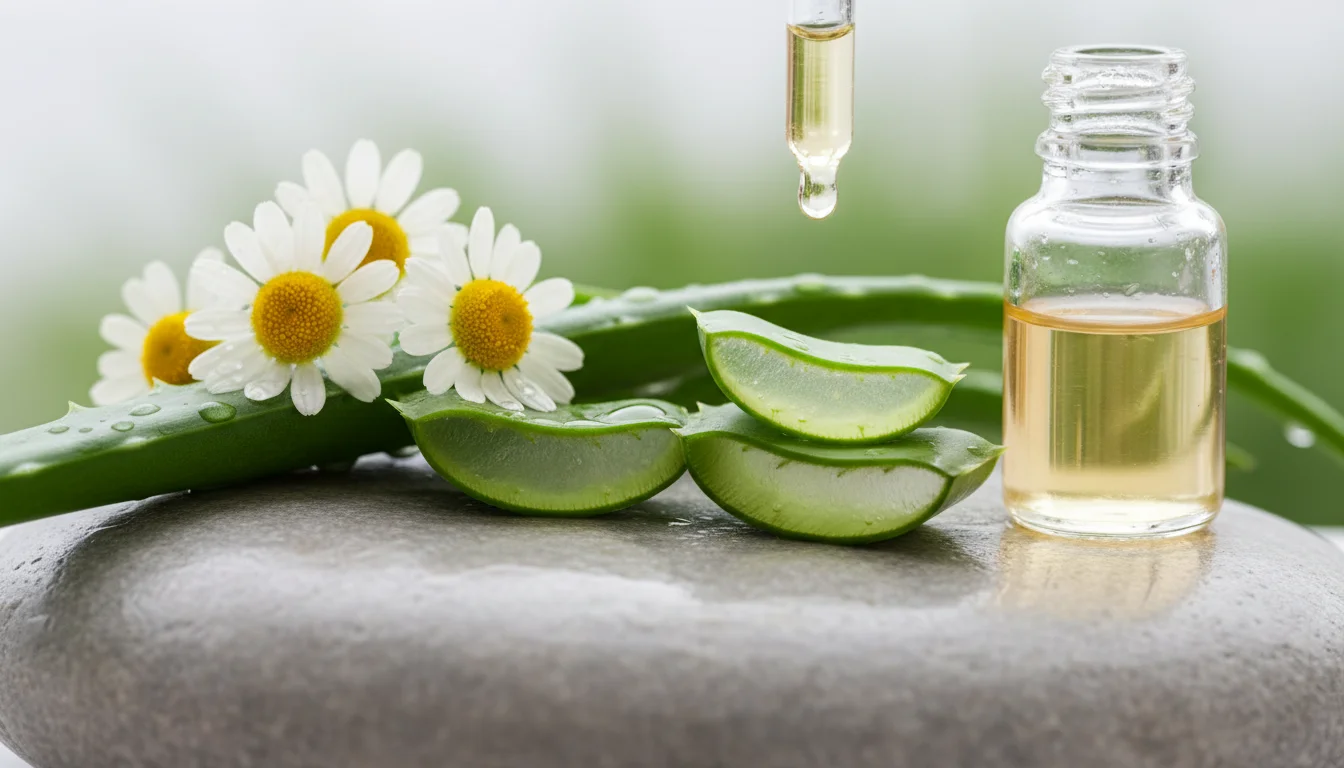
After the hair’s gone, your job isn’t over. Good aftercare is what will maintain that smooth skin and stop problems like ingrowns and redness from ruining the look you’re going for at your Gen Z event. Right after a wax, your pores are open and exposed, so you need to apply a soothing, antiseptic solution. I always suggest a fragrance-free and alcohol-free post-wax oil or gel with ingredients like aloe vera, tea tree oil, or witch hazel to calm inflammation and stop bacteria. For instance, a couple drops of pure aloe vera gel massaged into the skin gives instant relief and hydration. For the next 24 to 48 hours, just let the skin breathe and recover by avoiding tight clothes, heavy workouts, and direct sun. After that initial period, you can bring back gentle exfoliation (2-3 times a week) and moisturize every day with a non-comedogenic lotion to keep skin soft and prevent new hairs from getting trapped. A 2025 study from the Society of Dermatology Physician Assistants actually pointed out how important consistent moisturizing is after a procedure for maintaining the skin barrier and preventing dark spots.
Pro Tip: If you have some redness that won’t go away, a cool compress can help. You can also use a hydrocortisone cream (0.5% or 1%) sparingly for a day or two, but always test any new product on a small spot first.
Common Mistake: Forgetting to moisturize. When skin gets dry, hairs are more likely to break off instead of being pulled from the root, and you’ll get more ingrowns because the new hair can’t push through a flaky surface. Hydration is everything for long-lasting smoothness.
4. Timing Your Wax for Event Perfection
Looking effortlessly polished for an event requires a little planning. The sweet spot for scheduling a wax is about 2 to 3 days before you need to be somewhere. This gives any redness, little bumps, or sensitivity a chance to completely calm down. Skin can look a little pink or have tiny red dots right after waxing, especially if you have sensitive skin or coarse hair. A couple of recovery days ensures your skin looks totally smooth when it’s showtime. If you wax too close to the event, you might still have some visible irritation, which completely works against that natural look. Wax too far in advance, and you could have visible regrowth, especially if your hair grows fast. The 2-3 day window is usually the best bet for most people. I’ve had so many clients book the day before a big event and then call me in a panic about redness. It’s always better to plan ahead.
Pro Tip: If you’re waxing a new area or know your skin is super sensitive, do a “trial run” wax a few weeks before the main event. This lets you see how your skin reacts so you can nail the timing for the real thing.
Common Mistake: Waxing on the day of the event. This is almost guaranteed to be a bad idea, leaving you with skin that’s bumpy, irritated, or too sensitive for makeup or the clothes you want to wear. Don’t do it.
5. Maintain Smoothness Between Events
For many in Gen Z, having smooth skin isn’t just for a big event, it’s how they want to feel all the time. To keep that smoothness going between appointments, you need a consistent at-home routine. Gently exfoliating 2-3 times a week with a soft brush or an exfoliating mitt will stop dead skin from building up and trapping new hairs. Right after you exfoliate, follow up with a good hydrating moisturizer with ingredients like shea butter, hyaluronic acid, or ceramides to support your skin’s barrier. You might also want to add a hair-minimizing serum to your routine. These products won’t stop hair growth, but many have plant extracts or enzymes that can slow it down and make the hair that does grow back finer and softer. A quick five-minute routine just a few times a week really does make a difference in how long you stay smooth and how good your skin feels. It’s just preventative maintenance for your skin.
Pro Tip: Don’t shave between waxing appointments. Shaving just cuts hair at the surface, which creates stubble and messes up the growth cycle you’re trying to sync up with waxing for longer-lasting results. It also tends to cause more ingrown hairs.
Common Mistake: You can’t just stop exfoliating and moisturizing once the initial redness is gone. If you do, your skin will get dry and flaky, which leads to more ingrowns and makes your next wax more painful and less effective.
Getting that authentic smoothness for Gen Z events is about a smart approach to skin prep and aftercare. Following these steps helps you get skin that feels as good as it looks, which fits right in with the generation’s focus on genuine comfort and style. A consistent plan is what you need for events like POUR Wine Fest 2026. These same tips are just as useful for anyone needing smooth skin for 2026 vacation travel. And with the move towards ethical waxing practices, knowing these techniques is more important than ever.
How long does it take for redness to subside after waxing?
Most redness will be gone within 24 to 48 hours. If your skin is extra sensitive, give it up to 72 hours, which is exactly why it’s best to schedule your wax 2-3 days before you need to look your best.
Can I go to the gym immediately after waxing?
No. You should definitely avoid the gym, swimming, or anything else that makes you sweat a lot for at least 24 hours. Sweat can get into your open pores and cause irritation or breakouts.
What is the best way to prevent ingrown hairs after waxing?
To prevent ingrowns, start gently exfoliating 2-3 times a week (but wait 48 hours after your wax to start) and moisturize every day with a lotion that won’t clog your pores. An ingrown hair serum with salicylic or glycolic acid can also work really well.
Is it better to wax at home or professionally for events?
For any important event, go to a pro. An experienced aesthetician knows the right techniques, uses better products, and can get all the hair with less irritation. The smooth finish is just superior to what most people can do at home.
What should I avoid putting on my skin after waxing?
For 24-48 hours after waxing, stay away from anything with harsh chemicals, fragrances, alcohol, or heavy oils. That means no perfumed lotions, no deodorant on freshly waxed underarms, and no makeup on a freshly waxed face, since they can all clog pores and cause irritation.
The smoothest skin you've ever had, no razor required
Skip the daily shave. Find a top-rated waxing studio near you and book your first visit in minutes.
Find a Wax Studio Near You →


