 By Editorial Team
Walking into a furniture showroom can be an absolute overload, a blur of textures, colors, and designs. To get through it, every detail counts, from the lighting to the fabric swatches you brought with you. Having a smooth experience with your furniture shopping isn’t just about liking the look of the pieces, especially when you’re making a big home decor investment. Feeling polished and ready actually helps you make smarter decisions and see how these things will work in your own home.
Key Takeaways
- Get your skin professionally prepped 24-48 hours before a big showroom trip. It makes a huge difference in your comfort and confidence.
- Wear breathable, comfy clothes in natural fibers like cotton or linen. It will make sitting on 20 different sofas a much better experience.
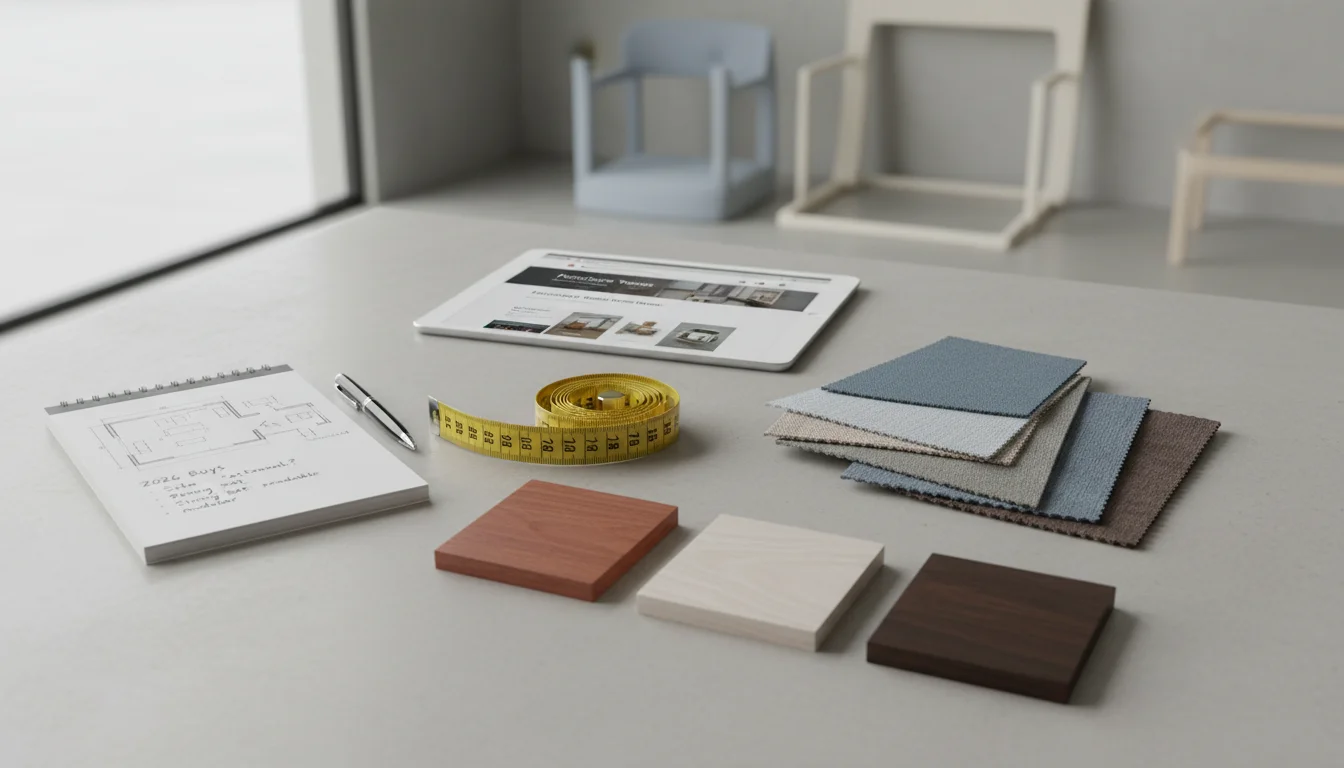
- Bring a small kit: a measuring tape, fabric swatches from home, and a notebook are your best friends for making practical choices on the spot.
- Break up your visit. Give yourself a set amount of time for each section of a big showroom to avoid getting burned out.
- Go beyond “I like this” and ask the staff real questions about how durable the materials are, what the warranty covers, and how delivery actually works.
The Psychology of Showroom Confidence
There’s a straight line between how comfortable you are in your own skin and how clearly you can think. When you feel put-together and aren’t fidgeting, you can actually focus. This is about removing friction when you’re in a high-stakes situation. Think about it: you’re walking through these massive stores, sitting on dozens of couches, and testing how high dining chairs are. If you’re constantly yanking at a tight shirt or feeling self-conscious, your brainpower is going there instead of to the furniture. The point is to get yourself into a state of ease so you can properly take in your surroundings.
I’ve seen it with clients for years. The ones who go into a big purchase feeling calm and collected are almost always happier with what they buy in the long run. That calm usually comes from being prepared, both mentally and physically. For example, a client once told me a simple waxing appointment the day before she hit a high-end design center made her feel “unflappable.” She wasn’t thinking about stubble or irritation. She was just there, totally present, feeling the upholstery textures and studying the lines of a credenza. It’s a practical truth that comfort builds confidence, which leads to better decisions.
Pre-Showroom Preparation: More Than Just a Good Outfit
Getting ready for a big furniture buy, like for a whole house or a complete room makeover, requires a plan. You’ve probably already researched styles and set a budget, but you also need to get yourself ready. That means making sure your skin is smooth and comfortable, which is especially nice if you plan to try on clothes in nearby shops or just want to feel good. Getting a professional wax 24 to 48 hours before you go gives any sensitivity time to die down, leaving you feeling soft and ready. It’s about getting rid of small physical annoyances that can pull your focus.
And then there’s what you wear. Go for light, breathable fabrics, linen, cotton, and Tencel are all great. You want to avoid anything that’s too tight or itchy. You’re going to be sitting, standing, and flopping onto things, so you need to be able to move. Tight jeans, for instance, are a terrible idea if you’re trying to figure out if a dining chair is comfortable enough for a long dinner party. Shoes are just as important. Wear something comfortable and supportive, because you’ll be doing a lot of walking. A 2025 study from the Retail Design Institute found that people spend about 2.5 hours and walk over 3,000 steps in a big furniture store. Bad shoes will wreck your day.
Get smooth and event-ready
Look and feel your best for every occasion. Find a waxing studio near you and book ahead.
Find a Studio Near You →You should also bring a small toolkit. I’m talking a compact measuring tape, a notepad for writing down model numbers or dimensions, and maybe a few fabric swatches from your home to check colors. These practical items also send a signal to the showroom staff that you’re a serious buyer, which can sometimes get you more focused and helpful service. It’s a quiet way to show you’ve done your homework.
Working through the Showroom Environment with Poise
The size of some furniture showrooms is just intimidating. Whether you’re on Roswell Road in Atlanta exploring everything from antiques to modern stuff, or in a multi-story design center, you need a strategy. Walking in with a clear head and feeling physically comfortable changes the whole game. When you aren’t distracted by being uncomfortable, you can really connect with the furniture and picture it in your own space.
I always tell people to go in with a mission instead of just browsing aimlessly. If you need a sofa, go to the sofa section first. If it’s a dining set, go there. Tackling the store this way, especially when you’re feeling comfortable, stops you from getting overwhelmed. In fact, the National Retail Federation’s 2026 consumer report mentioned that shoppers who feel overwhelmed are 30% less likely to buy anything on their first trip. A focused plan helps you beat that statistic.
Get in there and interact with the furniture. Seriously. Sit on the couches, pull out the dresser drawers, and slide your hand across the upholstery. This is where that skin prep pays off, because if you’re worried about your rough hands snagging a delicate fabric or just feel generally awkward, you’ll hesitate. You can’t judge comfort and quality if you don’t physically engage with the product. You just can’t get a feel for cushion density from a picture online. For a purchase this big, physical interaction is essential.
The Long-Term Impact of Thoughtful Shopping
The furniture choices you make will affect your daily life, your home’s look, and your finances for a long time. This is an investment you expect to last for years. Rushing a decision because you’re distracted or uncomfortable can easily lead to buyer’s remorse, expensive returns, or just being stuck with something that doesn’t quite work. A common mistake is buying a sofa that looks great but is miserable to sit on for more than an hour. The prep work you do before you even get to the showroom, including making sure you’re personally comfortable, directly impacts how happy you’ll be months and years later.
When you’re furnishing a new home or redoing a room, you’re creating an environment that should support your life and make you happy. That means you have to think about the materials, the construction, and the ergonomics. When you’re physically comfortable, you’re more likely to ask the right questions about durability, warranties, and how to care for the piece. You’ll also notice the little things, like how well the joints are made or how smoothly a drawer opens. Those details are what tell you about the real quality and value, and they’re easy to miss if you’re in a hurry. A 2024 survey by the Home Furnishings Association showed that customers who spent more time physically evaluating furniture in the store reported 15% higher satisfaction six months after their purchase.
Beyond the Purchase: Maintaining Your Home Decor Vision
Your job isn’t done when the delivery truck leaves. Keeping your home’s look alive means taking care of what you bought. You have to know the specific cleaning instructions for leather, velvet, or that special wood finish. That’s the kind of information you get from those focused conversations in the showroom, and it’s what preserves the value of your investment. It’s a cycle: making a smart choice leads to being happier with it, which makes you want to take good care of it.
The confidence you build from a good shopping trip can spill over into other parts of managing your home, too. If you felt capable of picking out the perfect living room set, you’ll feel more capable of choosing art, finding lighting, or planning your next project. Preparation in any form, for a showroom visit or a bigger renovation, is what builds success. The idea of having smooth skin for a shopping trip is really a metaphor for a smooth, well-thought-out plan for your entire home. It helps make sure every choice you make is a good one.
If you approach your next furniture hunt with a plan for personal comfort and preparation, you can turn a stressful chore into a genuinely productive and even fun day. By thinking about smooth skin and the right clothes, you’re really just clearing the way for better decisions and satisfaction that lasts.
Why is personal comfort important for furniture shopping?
Because it minimizes physical and mental distractions. This lets you focus completely on the furniture itself, so you can make a smarter and more satisfying decision.
How far in advance should I prepare my skin for a showroom visit?
It’s best to schedule something like a waxing appointment 24 to 48 hours beforehand. This gives any minor irritation or sensitivity time to disappear, so you’re totally comfortable on shopping day.
What kind of clothing is best for furniture showroom visits?
Wear comfortable, breathable clothes in natural fabrics like cotton or linen. Most importantly, wear supportive shoes, you’ll be doing a surprising amount of walking and standing.
What practical items should I bring to a furniture showroom?
Bring a small kit: a measuring tape, a notepad and pen for taking notes, and fabric swatches from your home to compare colors and textures right there in the store.
How does a structured approach to showroom visits help?
Going in with a specific mission, like tackling the dining room section first, helps you avoid getting overwhelmed and tired. It keeps you focused and makes the whole trip more productive.


