 By Editorial Team
Key Takeaways
- Delegate at least 50% of Friendsgiving food and drink responsibilities to guests to reduce host stress.
- Confirm dietary restrictions and allergies from all attendees at least two weeks before the event to ensure inclusive meal planning.
- Plan entertainment, such as board games or a collaborative playlist, to foster guest interaction and create a festive atmosphere.
- Schedule any pre-event personal grooming, like professional hair removal, for at least 48 hours before the gathering to allow for skin recovery.
- Create a detailed shopping list and assign tasks to co-hosts or willing guests to distribute the workload effectively.
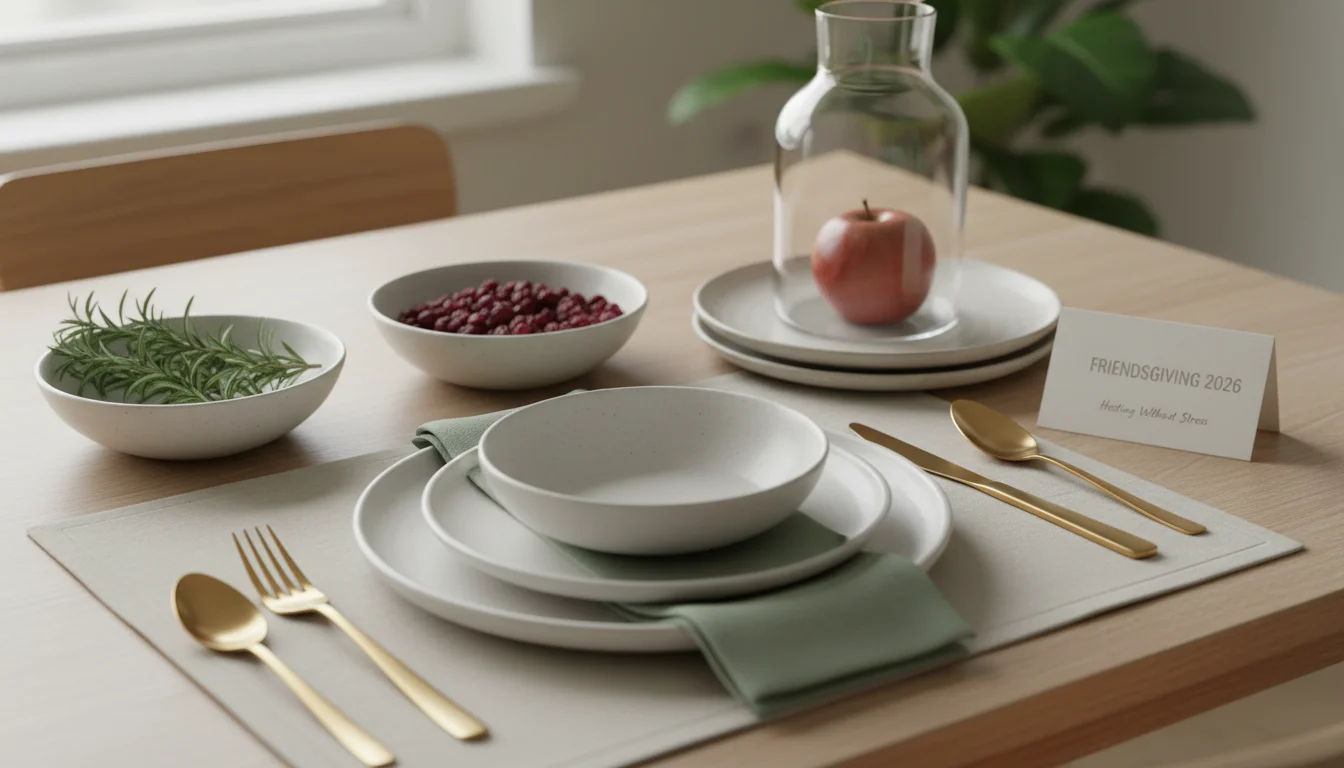
Friendsgiving, a modern holiday tradition, offers a unique opportunity to celebrate gratitude with chosen family, blending the warmth of Thanksgiving with a relaxed, personalized touch. This celebration often involves intricate holiday planning, whether you are hosting or attending, and ensuring a smooth experience for everyone involved is paramount.
The Host’s Playbook: Crafting a Memorable Gathering
Hosting Friendsgiving requires careful orchestration, from menu planning to atmosphere setting. It’s more than just cooking a meal. It’s about creating an environment where friends feel cherished and comfortable. The initial step involves setting a clear vision for the event. Will it be a potluck, a fully catered affair, or a collaborative cooking experience? This decision impacts everything from your budget to your stress levels. I generally recommend a hybrid approach: the host handles the main course, and guests contribute side dishes and desserts. This significantly reduces the burden on any single person. Once the vision is clear, guest list management becomes critical. Aim for a manageable number, typically 8 to 12 people, to encourage conversation and avoid overcrowding. Send out invitations at least three to four weeks in advance, using digital platforms like Evite or Paperless Post for ease of tracking RSVPs. Importantly, explicitly ask about dietary restrictions and allergies in your invitation. This isn’t optional. It’s a fundamental aspect of responsible hosting. A friend of mine once had a guest with a severe nut allergy, and without prior knowledge, served a pecan pie. The situation was quickly resolved, but it caused unnecessary anxiety. A simple query upfront prevents such incidents. According to a 2024 survey by the National Restaurant Association, 38% of consumers report having at least one dietary restriction or allergy, making this a common consideration. Logistics extend beyond food. Consider your space. Do you have enough seating? What about parking? For those in urban centers like Atlanta, parking can be a real headache. If you’re hosting in an apartment in Midtown, for example, communicate parking options clearly to your guests, perhaps suggesting nearby public lots or rideshare services. Don’t assume everyone knows your neighborhood’s quirks. A thoughtful host anticipates these small frictions and smooths them out.
Beach-ready, wedding-ready, anytime-ready skin
Look and feel your best for every occasion. Find a waxing studio near you and book ahead.
Find a Studio Near You →Guest Responsibilities: Contributing to the Collective Joy
Being a good Friendsgiving guest extends beyond merely showing up on time with a bottle of wine. It involves active participation and consideration for your host. The primary responsibility, if it’s a potluck, is to bring a dish that aligns with the overall meal plan and, importantly, is prepared to be served. Nobody wants to be the guest who shows up with raw ingredients expecting the host to cook them. If you’re unsure what to bring, ask. A simple text asking, “What can I contribute to make things easier?” is always appreciated. Offer to bring a specific category, like an appetizer, a side dish, or a dessert. Consider the presentation of your dish. If it needs to be kept warm, bring it in an insulated carrier. If it requires special serving utensils, bring those too. These small details demonstrate thoughtfulness. A common oversight is forgetting serving spoons. The host often has enough on their plate without rummaging for extra cutlery. This level of preparedness is part of being a genuinely helpful guest. Beyond food, think about your role in the social waxing of the event. Engage with other guests, help with conversation flow, and offer to assist the host. Clearing plates, refilling drinks, or even just offering a compliment on the decor can make a significant difference. The goal is to ease the host’s burden, not add to it. A 2025 study on social dynamics during holiday gatherings, published in the Journal of Applied Social Psychology, found that guests who actively assist with minor tasks contribute significantly to the host’s overall positive experience and reduce perceived stress levels by up to 15%.
The Menu: Balancing Tradition and Innovation
The Friendsgiving menu is where creativity truly shines. While a traditional turkey might anchor the meal, this is an opportunity to experiment with sides and desserts that might not make it to a formal family Thanksgiving. Think about dishes that travel well if it’s a potluck. Roasted vegetables, hearty salads, or a creative casserole are excellent choices. For beverages, consider a signature cocktail or mocktail. A batch of spiced cider, for instance, can be prepared in advance and caters to both alcoholic and non-alcoholic preferences. When planning the main course, if you’re the host, consider alternatives to a whole roasted turkey. A turkey breast or even a spiral ham can be less intimidating and require less oven space, which is often at a premium during holiday cooking. For vegetarians or vegans, ensure there’s a substantial, flavorful option that isn’t just a side dish masquerading as a main. A lentil loaf or a strong mushroom Wellington can be excellent choices. Remember, the goal is inclusivity. Desserts are another area for shared contributions. Encourage guests to bring their favorite pies, cakes, or cookies. This creates a diverse dessert table and allows everyone to show their baking talents (or their favorite local bakery’s offerings). Don’t forget coffee and tea. A good quality coffee blend and a selection of herbal teas can be a welcome end to a rich meal.
Pre-Event Preparation: Personal Smoothness and Presentation
Beyond the culinary and logistical aspects, personal preparation contributes to a confident and comfortable Friendsgiving experience. For many, this includes various grooming routines. If you opt for professional hair removal, schedule your appointment strategically. Booking at least 48 hours before the event allows any potential redness or sensitivity to subside, ensuring your skin looks and feels its best. This foresight applies whether you’re a host or a guest. You want to feel relaxed and polished, not rushed or irritated. Consider your attire. Friendsgiving typically leans towards smart casual, but the specific vibe depends on your host’s style. If in doubt, a comfortable yet stylish outfit is always a safe bet. Think about layers, as indoor temperatures can fluctuate with a house full of people and an oven working overtime. Footwear that’s both comfortable and appropriate for standing or mingling is also a good idea. Remember, the focus is on enjoying the company, so feeling good in what you’re wearing is key. For hosts, a quick tidy-up of the main entertaining areas is usually sufficient. Nobody expects a spotless show home. Focus on clear pathways, clean bathrooms, and a welcoming entryway. Fresh flowers or a seasonal scent diffuser can add a nice touch without requiring extensive effort. The goal is to make your home feel inviting, not intimidating.
Post-Celebration: The Art of the Follow-Up
The Friendsgiving experience doesn’t end when the last guest leaves. For hosts, a brief thank-you message to your guests, perhaps a day or two later, is a thoughtful gesture. A quick text or email expressing gratitude for their company and contributions reinforces the positive experience. If you received particularly helpful contributions, mentioning them specifically can be a nice touch. For example, “That sweet potato casserole was incredible!” Guests also have a role in the follow-up. A thank-you note or message to the host is always appreciated. Offering to help with cleanup the next day, if feasible, is an exceptional gesture that few hosts would refuse. If you borrowed any serving dishes or containers, return them promptly and clean. These small acts of reciprocity strengthen friendships and make future gatherings more likely. Remember to share any photos you took during the event. A collaborative album can be a wonderful way to relive the memories. This attention to detail, from the initial planning stages to the final thank-you, ensures that Friendsgiving remains a cherished tradition. Friendsgiving thrives on shared effort and genuine connection, transforming a simple meal into a significant annual event.
What is the ideal timeline for sending out Friendsgiving invitations?
Send out Friendsgiving invitations at least three to four weeks in advance to give guests ample time to RSVP and plan their contributions.
How can hosts best manage dietary restrictions for Friendsgiving?
Include a specific question about dietary restrictions and allergies on your invitations and follow up with guests who have specific needs to plan inclusive meal options.
What are some thoughtful contributions guests can bring besides food?
Guests can bring beverages, a board game, a curated music playlist, or offer to help with setup or cleanup, demonstrating consideration beyond just a dish.
When should personal grooming appointments, like professional hair removal, be scheduled before Friendsgiving?
Schedule professional hair removal appointments at least 48 hours before Friendsgiving to allow for any skin sensitivity or redness to subside, ensuring comfort and confidence.
What is a good strategy for dividing food responsibilities between hosts and guests?
The host can prepare the main course, such as the turkey or ham, while guests contribute side dishes, appetizers, and desserts, creating a balanced and collaborative meal.


