 By Editorial Team
Maria had a problem at “The Daily Grind.” As the social media manager for the popular Grant Park coffee shop in Atlanta, she knew community engagement was her whole job. Their monthly “Coffee & Conversation” event, which offered free samples of new brews and pastries, always drew a crowd. But lately, she’d noticed a shift. Attendees still loved the free stuff, but they weren’t really mingling anymore. There was a weird hesitancy, an awkwardness that kept people staring at their phones or sticking to the tiny groups they came with. She wanted to reignite that original spark, making these free food events comfortable and welcoming again. How could she help her guests actually connect and relax?
Key Takeaways
- Fix your event layout with clear paths and designated conversation zones to get people interacting naturally, which is exactly what “The Daily Grind” did by switching to U-shaped seating.
- Use subtle icebreakers like themed tasting notes or a collaborative feedback station to get conversations started without feeling forced.
- Train your staff to be active facilitators, not just servers, so they can help make introductions and keep the atmosphere welcoming.
- Send out clear communications before the event about the flow and what to expect. This reduces anxiety and gets people ready for a social experience.
- Offer a mix of seating options, including quiet corners, to suit different comfort levels and make sure every guest can feel at ease.
The Challenge: More Than Just Free Food
Maria’s first strategy for “Coffee & Conversation” was simple: offer great free food and drinks, open the doors, and hope for the best. For a while, it worked. The smell of fresh Ethiopian Yirgacheffe and warm blueberry scones would pull in a mix of regulars and curious newcomers from neighborhoods like Ormewood Park and East Atlanta Village. As the event got bigger, though, the vibe changed. People would grab their samples, find a corner, and keep to themselves. “It felt less like a gathering and more like a high-end sampling station,” Maria said in her weekly team meeting. “We’re giving away premium items, but are we giving away a premium experience?”
This wasn’t just a feeling. Maria had started taking notes on what people were actually doing. At the last event, she saw one woman, who was obviously new, hang around the entrance for a good five minutes before she finally grabbed a coffee and scurried to a small table by herself. Another group of friends talked only to each other, barely looking at anyone else. The goal of these free food events was community building, a casual gathering where new friendships could start. She had to figure out what was getting in the way of that connection.
Analyzing the Social Friction at Casual Gatherings
One of the biggest problems Maria spotted was the physical layout. The old setup used long, straight tables for the food and drinks, with small tables and chairs scattered around the edges. This setup accidentally created traffic jams and isolated little islands of seating. “People would queue for coffee, then just drift to the nearest empty spot,” Maria explained. “There was no natural flow that encouraged stopping, turning, or engaging with someone not directly next to them.”
Her research into event design, which included a webinar she took from the National Association for Event Professionals (NAEP) in early 2026, showed how much space affects social interaction. An NAEP report about engagement at casual networking events pointed out that circular or U-shaped layouts get people to make more eye contact and talk more than straight-line setups. This was a lightbulb moment. The current linear setup was basically forcing people to look at the back of someone’s head in a line, not across at other people they might talk to.
Another issue was the total lack of any subtle prompts to interact. Besides enjoying the same coffee, there was nothing to get a conversation going. People needed a reason, any reason, to look up from their phones, a low-stakes way to start. “We expect people to just start talking, but it’s not always that easy, especially for introverts or those new to the city,” Maria observed. She realized that while the food was free, starting a conversation often came with a social cost that many weren’t willing to pay without a little help.
Get smooth and event-ready
Look and feel your best for every occasion. Find a waxing studio near you and book ahead.
Find a Studio Near You →The Redesign: Intentional Comfort and Connection
Maria decided to completely rethink the next “Coffee & Conversation” event. Her new plan was all about designing for ease, not about forced fun or awkward icebreakers. She focused on creating an environment that felt comfortable by default, smoothing out the friction points she’d seen.
Rethinking the Physical Space
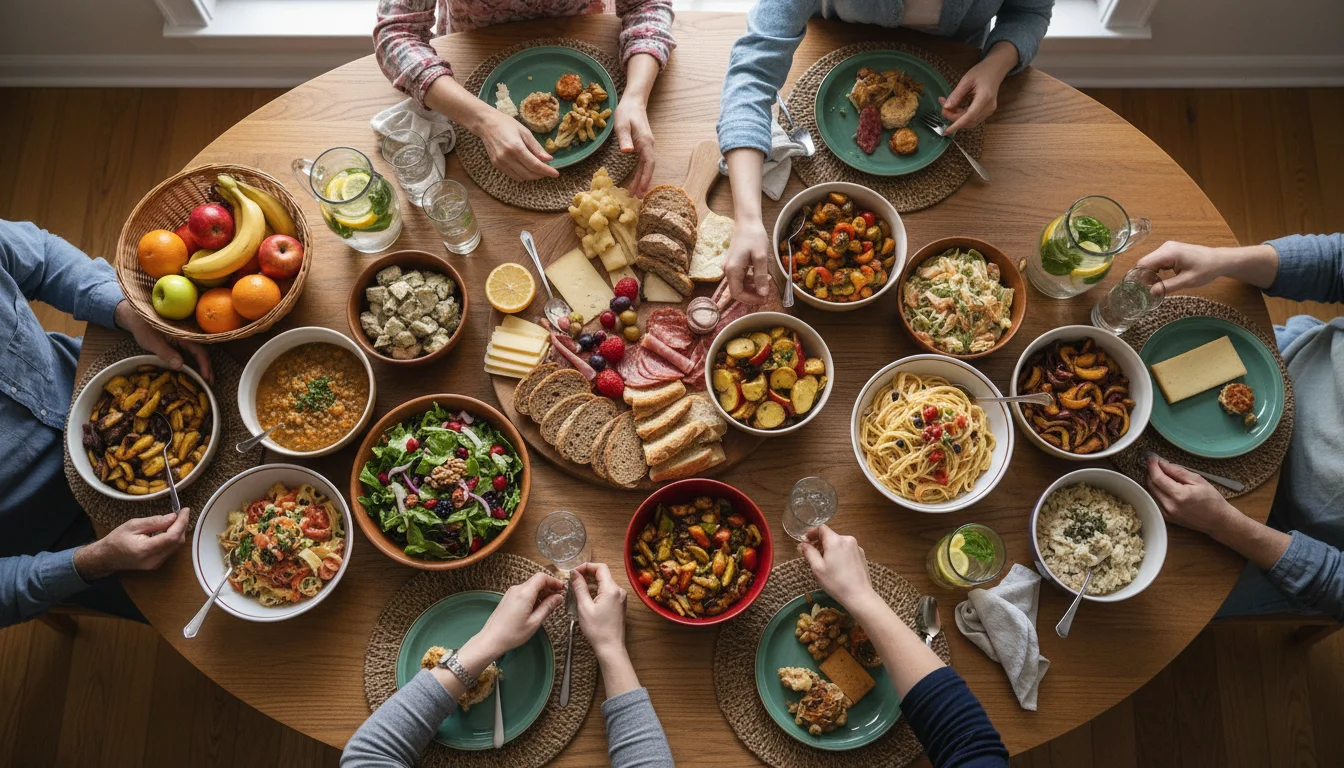
For the next event, Maria totally changed “The Daily Grind’s” layout. She got rid of the linear tables and instead arranged the food and drink stations in a big U-shape, with the open end facing the main seating area. This immediately made the space feel more open and inclusive. People had to walk along the U, which meant they would encounter different stations and, more importantly, other guests face-to-face. “It forces people to slow down, to see who else is there,” she noted. She also pulled a large, round oak table out of back storage and put it in the center to act as a communal table, giving people a natural place to gather where small chats could grow into group conversations.
Seating was also a big part of the plan. She kept some smaller, private tables for people who wanted a quieter spot, but she also brought in several high-top standing tables. “Standing encourages more fluid movement and interaction,” Maria had read in a 2025 Eventbrite guide on event flow. It’s less of a commitment than sitting down, so it’s easier for people to join or leave a conversation. She also made sure there were clear pathways through the room, even when it was crowded, so no one would feel trapped or overwhelmed.
Subtle Social Lubricants
Beyond changing the physical space, Maria added a few subtle things to get people talking. Instead of just putting up labels for the coffees, she created small, interesting tasting notes for each one. The card for the “Sumatra Mandheling,” for example, might say: “Earthy notes of dark chocolate and cedar. What does it remind you of?” This simple question was an instant, low-pressure conversation starter. It asks ‘What do you taste?’, which is a lot less intimidating than ‘What do you do?’.
She also put up a “Community Blend Idea” board near the exit. Guests could write down flavor combinations or themes for future coffee blends. This created a shared, collaborative activity that fostered a sense of collective participation without demanding direct verbal interaction. People would naturally gather around the board, read what others wrote, and sometimes comment out loud, sparking a new conversation right there.
Critically, Maria briefed her staff. They weren’t just servers anymore. She told them to be informal facilitators. “If you see someone standing alone, you can offer them a sample and then gently point out the tasting notes board, or mention another guest who just praised the same coffee,” she instructed. A gentle bridge, not pressure. This proactive, unobtrusive approach was designed to make every guest feel seen and welcomed, reducing the burden on individuals to initiate every single interaction.
The Outcome: A Truly Comfortable Gathering
The next “Coffee & Conversation” was a huge success. Maria watched from behind the counter as the room filled up. The U-shaped food station kept a nice flow of people moving and mingling. She saw two people laughing about the “spicy kick” in the new Mexican chocolate pastry, a conversation that started directly from the tasting note card. At the big communal table, a group of four who were clearly strangers when they arrived were now deep in a chat about their favorite local hiking trails. Even the shy woman from the last event was talking with a barista about ideas for the community blend board. The energy in the room was just…different. Lighter, more engaged.
The feedback she got later confirmed what she saw. “I usually just grab my coffee and go, but tonight felt different. I actually talked to three new people!” one person wrote in a follow-up survey. Another said, “The layout made it so easy to move around and strike up conversations. It didn’t feel awkward at all.” Maria realized comfort came from making interaction easy, not from the absence of it. The free food and drinks got people in the door, but the thoughtfully designed environment was what created the real connection.
For any business that hosts curated events or casual get-togethers, Maria’s experience at “The Daily Grind” offers some clear lessons. Providing free stuff isn’t enough. The environment itself has to encourage the social interaction you want. Every detail, from the flow of foot traffic to the subtle prompts for conversation, contributes to how comfortable and engaged your guests feel. Creating a welcoming space requires intentional design. You have to make sure the free offerings are complemented by an atmosphere that invites connection, making guests feel at ease.
How can we encourage interaction without using forced icebreakers?
Create shared experiences or easy conversation starters. Things like themed tasting notes for food, a collaborative feedback board, or a quick demo related to your event can work wonders. The goal is to give people a natural reason to talk to each other.
What’s the best physical layout for comfortable mingling?
U-shaped or circular setups for your food and drink stations are great because they encourage people to move around and face each other, which leads to more eye contact and conversation than a straight-line setup. It also helps to have a mix of seating (big communal tables, standing high-tops, and smaller private tables) to suit everyone’s comfort level.
How important is staff for making free food events comfortable?
Your staff are really important as informal facilitators. If you train them to gently bridge introductions, point out a shared interest between two guests, or just make people feel seen, they can really lower the social anxiety in the room. Their proactive but low-key engagement can turn a simple serving station into a genuinely hospitable event.
Should I have quiet spaces at my social events?
Yes, definitely. Even at a lively party, having some designated quiet corners or smaller, more private seating areas is a good idea. This accommodates introverted guests or anyone who feels a bit overwhelmed, letting them participate at their own speed and take a break when they need to. It makes the whole experience better for them.
How can pre-event communication help guests feel more comfortable?
Clear pre-event communication seriously reduces anxiety. Just let guests know the event’s general flow, what they can expect, and if there are any activities planned. A quick mention of the relaxed vibe or a few suggestions for how to engage can set positive expectations, helping people show up feeling more prepared and relaxed about the social side of things.


