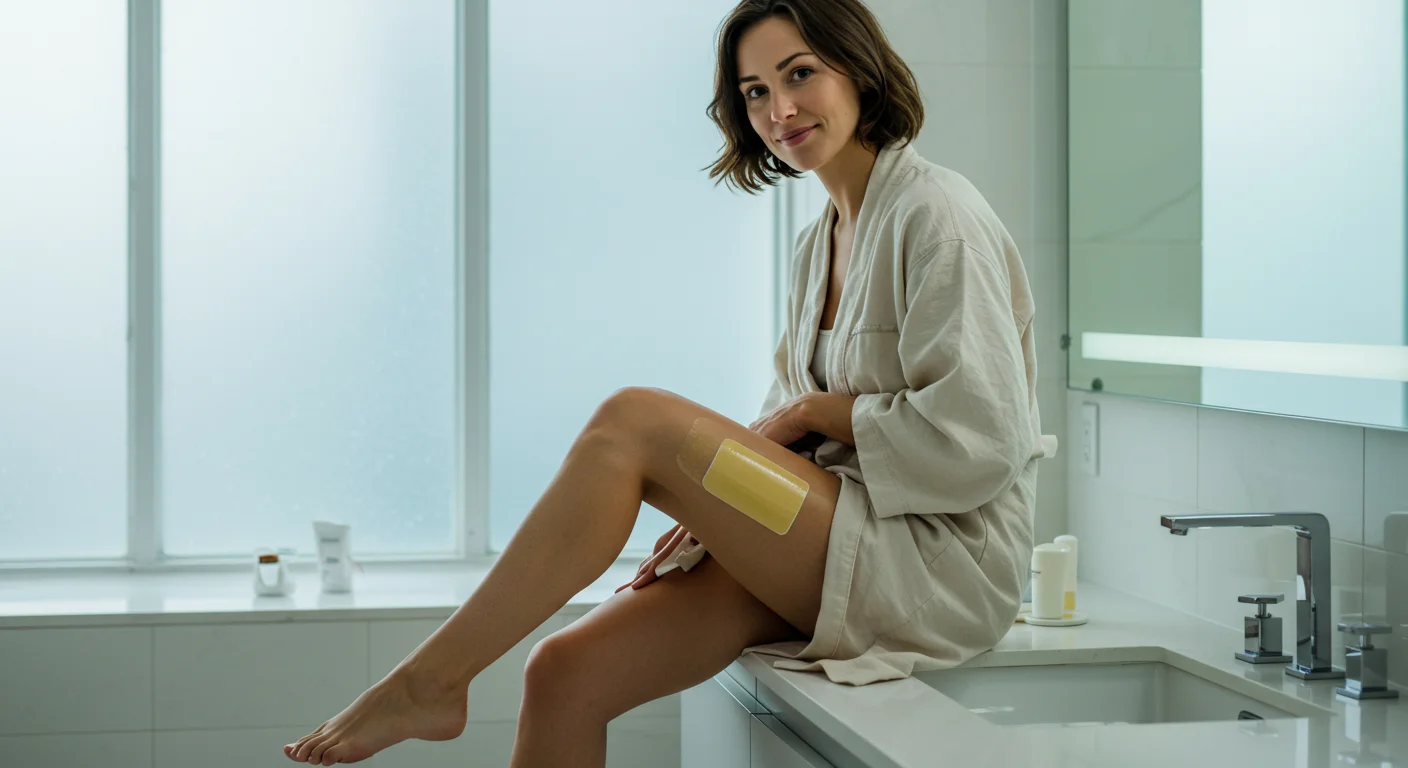
 By Jon Parker
Key Takeaways
- Consult with a licensed aesthetician to determine the most suitable waxing method for your skin type and hair growth patterns, avoiding common pitfalls like ingrown hairs.
- Prepare your skin for waxing by exfoliating 24-48 hours prior and moisturizing regularly to ensure optimal hair removal and minimize irritation.
- Schedule your waxing appointment approximately 3-5 days before your beach event to allow for any post-wax redness or sensitivity to subside.
- Invest in quality post-wax care products containing soothing ingredients like aloe vera or chamomile to calm the skin and prevent bumps.
- Maintain your waxing results with regular appointments every 3-4 weeks to weaken hair follicles and achieve smoother, longer-lasting hair reduction.
The summer sun was beating down on Atlanta, promising another sweltering July. For Sarah, a marketing executive living in Midtown, this meant one thing: her annual trip to Tybee Island was just around the corner. She’d booked a charming Airbnb near the North Beach, envisioning long days by the ocean, her toes in the sand, and not a single worry about stray hairs. But as the departure date loomed, a familiar dread crept in. Her previous attempts at achieving truly beach ready waxing had been… less than stellar. She’d tried at-home kits, endured painful salon experiences that left her skin red and bumpy, and even once (a story she still shudders to recall) ended up with uneven patches just before a pool party. This year, she was determined to get it right. She wanted smooth, confident skin, free from irritation, that would last her entire vacation.
I’ve seen Sarah’s dilemma countless times in my 15 years as a licensed aesthetician specializing in hair removal, particularly here in Georgia. Clients often come to me with horror stories of DIY disasters or salon experiences that felt more like an ordeal than a pampering session. The truth is, achieving truly flawless, long-lasting results for a beach vacation isn’t just about ripping hair out. It’s a strategic process involving preparation, the right technique, and diligent aftercare. It’s a science, frankly, and one that many people underestimate.
The Pre-Wax Prep: Laying the Foundation for Smooth Skin
Sarah’s first mistake, as with many of my new clients, was often neglecting the crucial pre-wax stage. She’d typically decide on a whim to get waxed a day or two before her trip, leaving no time for proper skin preparation. “I just figured they’d handle it all at the salon,” she admitted during our initial consultation at my salon, Peach Perfect Waxing, just off Peachtree Road.
This is where I always start. Proper preparation is the bedrock of successful waxing. Think of it like preparing a canvas before painting a masterpiece; you wouldn’t just slap paint on a dirty, uneven surface, would you? The same goes for your skin. “Your skin needs to be healthy, hydrated, and free of dead skin cells for the wax to adhere properly to the hair, not the skin,” I explained to Sarah. “This minimizes pain, reduces irritation, and prevents those dreaded ingrown hairs.”
My primary recommendation? Exfoliation. But not just any exfoliation. We’re talking gentle, consistent exfoliation 24-48 hours before your appointment. I always suggest a mild physical exfoliant, like a sugar scrub, or a chemical exfoliant with ingredients such as salicylic acid. “Avoid anything too harsh or abrasive,” I warned Sarah, “especially if you have sensitive skin.” Over-exfoliating can actually irritate the skin and make it more susceptible to tearing during waxing. A study published in the Journal of the American Academy of Dermatology consistently highlights the benefits of proper skin barrier function for optimal aesthetic procedures, including waxing.
Hydration is equally vital. Sarah, like many busy professionals, often forgot to moisturize daily. “I’m good about it on my face, but my body? Not so much,” she confessed. I emphasized that well-hydrated skin is more supple, allowing hair to be removed more easily and with less discomfort. Using a rich, non-comedogenic moisturizer daily, particularly in the week leading up to your wax, makes a significant difference. I always recommend products containing hyaluronic acid or shea butter for deep hydration.
Choosing Your Waxing Method: Hard Wax vs. Soft Wax
Sarah had always opted for strip wax (soft wax) because it was what she was familiar with. “It always felt like a quick rip, and then I was out,” she recounted, wincing slightly. “But then the redness and bumps would last for days.”
This is a common misconception. While soft wax can be efficient for larger areas, it adheres to both hair and skin, which can cause more trauma, especially for sensitive areas. For delicate regions like the bikini line or underarms, I am a staunch advocate for hard wax. Hard wax encapsulates the hair as it hardens, lifting it away from the skin without adhering directly to the skin itself. This makes for a far less painful experience and significantly reduces the risk of irritation, bruising, and ingrown hairs.
I remember a client last year, Jessica, who was preparing for a destination wedding in Cancun. She’d had terrible experiences with strip wax on her bikini area. I convinced her to try hard wax, and the difference was night and day. She sent me a postcard from Mexico, thanking me for making her feel “smooth and confident, not just for the wedding, but for the whole honeymoon!” That’s the power of choosing the right wax.
Beach-ready, wedding-ready, anytime-ready skin
Look and feel your best for every occasion. Find a waxing studio near you and book ahead.
Find a Studio Near You →For Sarah, given her history of sensitivity and her desire for a truly comfortable experience, we decided on hard wax for her bikini area and underarms, and soft wax for her legs. This tailored approach is something I always preach. There’s no one-size-fits-all in waxing. A skilled aesthetician will assess your hair type, skin sensitivity, and the area being waxed to recommend the optimal method. We use high-quality, professional-grade waxes from brands like Lycon Cosmetics, known for their low-temperature formulas and soothing ingredients.
Timing is Everything: When to Schedule Your Appointment
This is perhaps the most crucial piece of advice I give anyone preparing for a beach vacation. Sarah’s habit of last-minute waxing was a recipe for disaster. “I usually get it done the day before I leave,” she admitted, “and then I’m just praying the redness goes down.”
My rule of thumb? Schedule your waxing appointment 3 to 5 days before your beach event. This window allows for any initial redness, sensitivity, or minor swelling to completely subside. Your skin needs time to calm down and for the hair follicles to close. Exposing freshly waxed skin to harsh sun, saltwater, or chlorine too soon can lead to irritation, hyperpigmentation, or even infection.
Think about it: your skin has just undergone a minor trauma. It’s vulnerable. Giving it a few days to recover means you’ll arrive at the beach with perfectly smooth, calm skin, ready to enjoy the sun without discomfort or unsightly bumps. I once had a client who ignored this advice and went straight to a pool party after a Brazilian wax. She called me the next day, frantic, with a severe case of folliculitis. It was entirely preventable.
For Sarah, we booked her appointment for a Tuesday, with her Tybee trip starting that Saturday. This gave her three full days to let her skin recover, apply soothing products, and ensure she was truly beach-ready.
The Post-Wax Protocol: Maintaining Your Smoothness
The work doesn’t stop when you leave the salon. Post-wax care is paramount for preventing ingrown hairs, prolonging results, and keeping your skin healthy. Sarah was diligent about moisturizing, but she often forgot about exfoliation in the weeks following her wax.
I provided Sarah with a detailed post-care regimen. Immediately after waxing, the focus is on soothing and calming the skin. I recommended a calming serum with aloe vera and chamomile. “Avoid hot showers, tight clothing, and strenuous exercise for at least 24 hours,” I instructed. “Your pores are open and susceptible to bacteria.”
After the initial 24-48 hours, the routine shifts to preventing ingrown hairs. This is where gentle exfoliation comes back into play, starting 2-3 days post-wax. “Regular, gentle exfoliation helps prevent dead skin cells from trapping new hair growth beneath the surface, which is the primary cause of ingrowns,” I explained. I specifically recommended a product containing salicylic acid or glycolic acid, like the Tend Skin Solution, which is highly effective and widely available.
Moisturizing daily, without fail, is also critical. Hydrated skin is more elastic, allowing hair to grow out freely without becoming trapped. Sarah committed to this, and the difference in her skin’s texture and the absence of ingrowns was remarkable.
Long-Term Strategy: Consistency is Key
Sarah’s goal wasn’t just a one-off smooth experience for Tybee; she wanted to maintain that feeling throughout the summer. This requires consistency. “Waxing isn’t a magical one-and-one solution,” I told her. “It’s a process that yields cumulative benefits over time.”
Regular waxing, typically every 3-4 weeks, weakens the hair follicle over time. This leads to finer, sparser hair growth, and less discomfort with each subsequent session. The hair also starts to grow back in the same growth cycle, making future waxes more efficient and longer-lasting. Many clients, after a year or two of consistent waxing, find they can extend the time between appointments.
For Sarah, we set up a recurring appointment schedule. She left my salon not just with smooth skin, but with a comprehensive plan. Her confidence was palpable. She was no longer dreading her beach trip; she was excited, knowing her skin would be as ready as her swimsuit.
When Sarah returned from Tybee, she looked fantastic, sporting a healthy glow. “No bumps, no redness, no ingrowns!” she exclaimed, practically skipping into the salon for her next appointment. “I felt amazing the whole time. Even after swimming in the ocean every day, my skin stayed smooth.” This, for me, is the ultimate reward – seeing a client genuinely happy and confident in their own skin, all thanks to a well-executed plan for stress-free event waxing.
Getting your skin truly beach ready requires more than just a quick wax; it demands a strategic approach encompassing meticulous preparation, the right technique, and dedicated aftercare. By following these steps, you can ensure your skin is smooth, comfortable, and flawlessly confident for any summer adventure. For more guidance on achieving a flawless waxing finish, explore our other resources. And if you’re a salon owner looking to boost your business, consider how these client-focused strategies can help boost your waxing bookings.
How long does waxing typically last for beach readiness?
Generally, a professional wax will provide smooth skin for approximately 3 to 4 weeks. However, individual hair growth cycles vary, so some people may see regrowth sooner or later. Consistent waxing can extend these results over time.
Can I go swimming immediately after waxing?
No, it is strongly advised to avoid swimming in pools, oceans, or hot tubs for at least 24-48 hours after waxing. Freshly waxed skin has open pores, making it more susceptible to bacterial infections and irritation from chlorine, salt, or other chemicals.
What should I do if I get ingrown hairs after waxing?
To treat and prevent ingrown hairs, gently exfoliate the area 2-3 days after waxing and continue 2-3 times a week. Use a salicylic acid-based ingrown hair serum. Avoid picking or squeezing ingrowns, as this can lead to infection and scarring. If severe, consult a dermatologist.
Is it safe to wax if I’m using retinoids or certain medications?
It is absolutely crucial to inform your aesthetician if you are using retinoids (like Retin-A, Tretinoin, Differin) or oral medications such as Accutane, as these can thin the skin and make it highly prone to lifting or tearing during waxing. Waxing is generally not recommended while on these medications, and you should stop retinoid use for at least 5-7 days prior to waxing.
What’s the ideal hair length for waxing?
For optimal results, your hair should be about ¼ inch long, roughly the size of a grain of rice. If it’s too short, the wax won’t be able to grip it effectively. If it’s too long, it can make the waxing process more painful; in this case, your aesthetician may trim it before applying wax.


