 By Sarah Chen
Attending a music festival or spending a weekend camping outdoors should be about pure enjoyment, not wrestling with unexpected grooming dilemmas. The problem? Many festival-goers and outdoor enthusiasts overlook the practical benefits of professional waxing, leading to discomfort, irritation, and a constant battle against unwanted hair that can severely dampen the outdoor experience. Imagine trying to dance in a crowded tent or hike a challenging trail when your skin is chafed and itchy from stubble. This isn’t just an aesthetic concern; it’s about comfort, hygiene, and ultimately, maximizing your fun. How can festival camping waxing transform your outdoor comfort?
Key Takeaways
- Schedule your professional waxing appointment 3-5 days before your festival or camping trip to allow for any initial redness to subside and ensure optimal smoothness.
- Choose hard wax services for sensitive areas like the bikini line and underarms, as it adheres only to the hair, minimizing skin irritation common with strip wax.
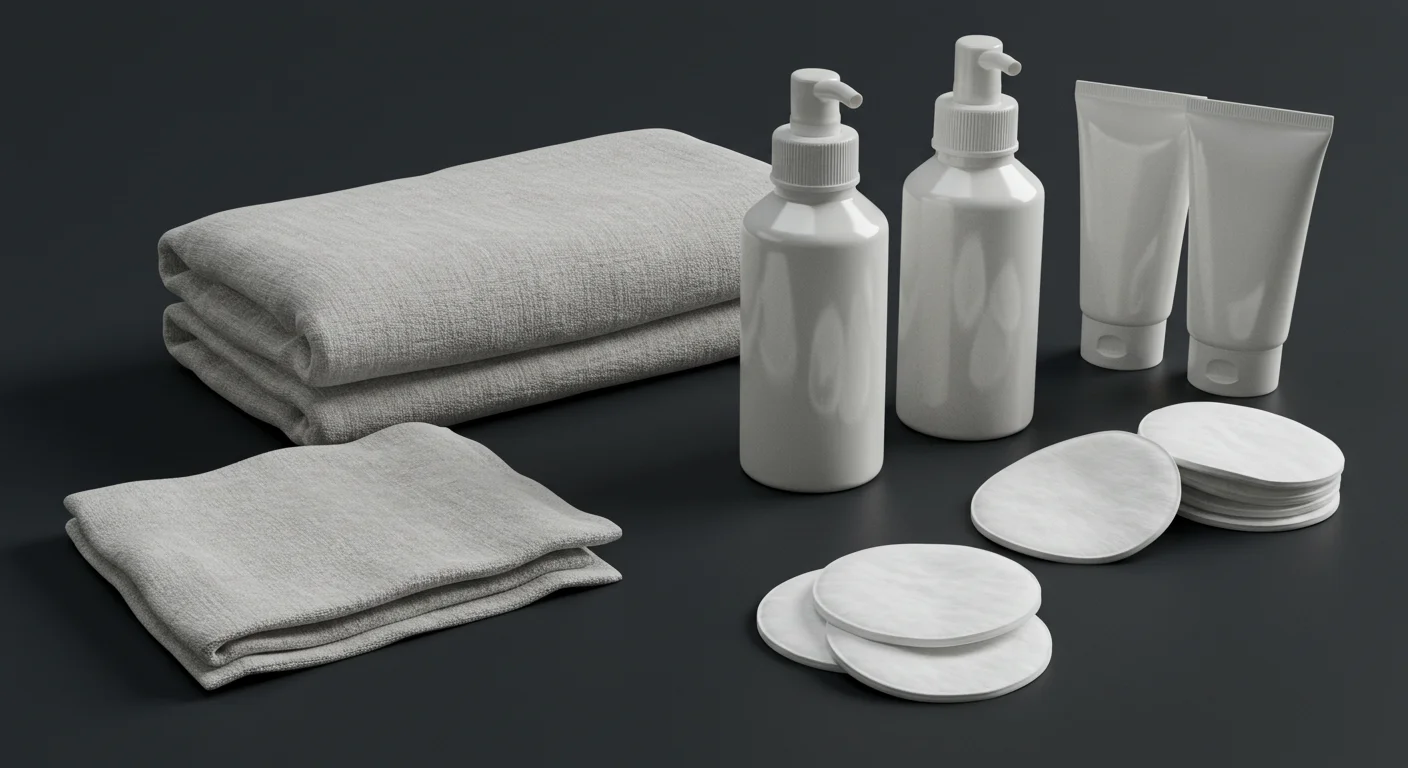
- Pack a curated aftercare kit including a gentle, alcohol-free cleanser, a soothing serum with ingredients like aloe vera or chamomile, and a lightweight moisturizer to prevent ingrown hairs and maintain skin health.
- Avoid exfoliating for 24-48 hours post-waxing, then incorporate a mild exfoliant 2-3 times a week to keep follicles clear and prevent bumps.
- Maintain your waxing schedule with appointments every 4-6 weeks to ensure consistent results and reduce discomfort during future sessions, making each outdoor adventure smoother.
The Persistent Problem: Outdoor Grooming Woes
For years, I saw clients return from festivals with stories of woe. “I spent half the time in my tent trying to shave,” one told me, “and then I got awful razor burn from the sweat.” Another recounted how their legs chafed painfully during a long hike because of new hair growth. These aren’t isolated incidents. The unique challenges of outdoor events, like increased perspiration, dust, limited access to clean water, and constant movement, exacerbate traditional hair removal methods. Shaving, while quick, often leads to stubble within hours, followed by razor bumps, nicks, and ingrown hairs, especially in humid conditions. Depilatory creams, for all their promises, frequently cause chemical burns or don’t provide lasting smoothness. Even epilating can be a painful, time-consuming ordeal that leaves skin red and sensitive just when you need it to be resilient.
I remember one client, Mark, who was gearing up for a multi-day music festival in Georgia. He was usually meticulous about his appearance, but for this trip, he thought a quick shave would suffice. Big mistake. The combination of dancing, heat, and tight clothing led to severe chafing in his inner thighs. He ended up spending a significant portion of the festival nursing his discomfort, unable to fully enjoy the music or social atmosphere. When he came back to my studio, his skin was a mess. This experience, unfortunately, is far too common. The idea of “low maintenance beauty” for outdoor events often gets misinterpreted as “no maintenance,” which is where things go wrong.
What Went Wrong First: The DIY Disaster and Misconceptions
Before professional waxing became more mainstream for men, many tried to tackle hair removal themselves. I’ve heard countless tales of failed attempts. The most common? Shaving everything. While it seems simple, the reality of maintaining smoothness in an outdoor, often dusty and sweaty, environment is anything but. Imagine trying to shave your back in a tiny festival tent with lukewarm water and poor lighting. It’s a recipe for disaster. Razor burn, nicks, and the inevitable “five o’clock shadow” on your body hair make comfort elusive.
Get smooth and event-ready
Look and feel your best for every occasion. Find a waxing studio near you and book ahead.
Find a Studio Near You →Another common mistake was relying on hair removal creams. These can be effective for some, but they often come with a strong chemical smell, require careful timing, and can cause skin irritation, especially on sensitive areas. I once had a client who used a depilatory cream on his chest before a beach camping trip. He didn’t patch test, and the result was a bright red, itchy rash that made wearing a shirt unbearable for days. He learned the hard way that not all solutions are created equal, and some DIY methods can actually create more problems than they solve. The misconception was that any hair removal was good hair removal, rather than strategic hair removal designed for specific conditions.
The Professional Solution: Strategic Waxing for Outdoor Comfort
The solution to these pervasive outdoor grooming problems lies in professional waxing. It’s not just about aesthetics; it’s a strategic choice for enhanced comfort, hygiene, and confidence during outdoor events. When done correctly, professional waxing removes hair from the root, providing weeks of smooth skin. This significantly reduces the chances of chafing, ingrown hairs, and the general discomfort associated with stubble regrowth. For festival camping, where showers might be scarce and personal space limited, this long-lasting smoothness is invaluable.
My studio, located near the vibrant neighborhoods of Inman Park and Candler Park in Atlanta, sees a significant uptick in male clients seeking waxing services before major outdoor events like Shaky Knees Festival or camping trips to Amicalola Falls State Park. We always recommend scheduling your appointment 3 to 5 days before your departure. This crucial buffer period allows any initial redness or sensitivity to subside, ensuring your skin is calm and ready for the elements. For clients prone to sensitivity, I often suggest a soothing post-wax treatment with ingredients like chamomile or calendula to further reduce inflammation.
Step-by-Step Guide to Festival Camping Waxing Success
Here’s how we approach preparing clients for their outdoor adventures, ensuring maximum comfort and minimal fuss:
- Initial Consultation and Skin Analysis: Every waxing journey begins with a thorough consultation. I assess skin type, hair texture, and any sensitivities. We discuss the client’s outdoor plans to tailor the waxing service. Are they going to a dusty festival? A humid camping trip? This informs product choice and aftercare recommendations. For instance, a client hiking in a humid environment might benefit from a more aggressive ingrown hair serum than someone attending a drier, cooler event.
- Choosing the Right Wax: For areas like the back, chest, and legs, we often use strip wax, which is efficient for larger areas. However, for more sensitive zones such as the underarms, bikini line, or even facial hair, hard wax is my absolute preference. Hard wax encapsulates the hair as it dries, rather than adhering to the skin, making the removal less painful and significantly reducing irritation. This is non-negotiable for outdoor comfort; irritated skin and sweat are a terrible combination.
- Pre-Wax Preparation: Clean skin is paramount. We use a pre-wax cleanser to remove oils, dirt, and deodorants. A pre-wax oil or powder might be applied to create a barrier between the wax and the skin, further minimizing discomfort. This meticulous preparation is what sets professional services apart from hurried at-home attempts.
- The Waxing Process: Our skilled estheticians apply the wax precisely, ensuring complete hair removal. We work in small sections, always checking in with the client about their comfort level. My team is trained to stretch the skin properly, which also helps reduce pain and ensures a cleaner pull. For men, hair can be coarser and denser, requiring a more experienced hand to prevent breakage and ingrown hairs.
- Post-Wax Soothing and Aftercare: Immediately after waxing, we apply a soothing oil or lotion to calm the skin and remove any wax residue. This is where the long-term comfort begins. I always provide a detailed aftercare regimen. For outdoor events, this typically includes:
- Gentle Cleansing: Use a mild, pH-balanced, alcohol-free cleanser twice daily. This prevents pore-clogging and keeps the skin clean amidst dust and sweat.
- Soothing Serums: A high-quality aftercare serum, specifically formulated to prevent ingrown hairs, is critical. Look for ingredients like salicylic acid, lactic acid, or tea tree oil. My personal recommendation is a serum containing aloe vera and witch hazel for their anti-inflammatory properties. Apply this daily.
- Moisturization: A lightweight, non-comedogenic moisturizer keeps the skin hydrated and supple. Dry skin can lead to ingrown hairs, so consistent moisturizing is key.
- Exfoliation Schedule: Advise clients to wait 24-48 hours before exfoliating. After that, gentle exfoliation 2-3 times a week with a soft brush or an exfoliating wash helps keep follicles clear, preventing new hair from getting trapped under the skin. This step is often overlooked but makes a massive difference.
- Loose Clothing: For the first 24 hours post-wax, wearing loose-fitting, breathable clothing is essential to prevent friction and allow the skin to breathe. This is particularly important for areas like the bikini line and underarms.
One case study that really highlights the effectiveness of this approach involved a client named David, a regular at Bonnaroo. David initially struggled with severe chafing and ingrown hairs every year. In 2024, he committed to a pre-festival waxing regimen. We started with a full back and chest wax, along with a thorough leg wax, three weeks before the festival, followed by a touch-up 4 days prior. His aftercare kit included a specific ingrown hair treatment with 2% salicylic acid and a hydrating body lotion. David reported a 90% reduction in chafing and zero ingrown hairs during the four-day event. He could dance, move freely, and felt significantly more comfortable than in previous years. This wasn’t just about looking good; it was about functional comfort, a measurable outcome.
The Measurable Results: Uninterrupted Outdoor Enjoyment
The results of professional festival camping waxing are tangible and directly contribute to a superior outdoor experience. Clients consistently report:
- Reduced Chafing and Irritation: Without hair to trap sweat and create friction, skin remains smoother, significantly cutting down on chafing, especially in high-movement areas like the inner thighs and underarms. This means more dancing, more hiking, and less discomfort.
- Enhanced Hygiene: Smooth skin is easier to clean, especially when shower access is limited. Less hair means fewer places for sweat and dirt to accumulate, reducing the risk of body odor and skin breakouts. This is a huge benefit in a crowded festival environment.
- Increased Comfort and Confidence: The psychological benefit of feeling clean and smooth cannot be overstated. Clients feel more confident in their skin, whether they’re shirtless at a concert or just relaxing at their campsite. This allows them to fully immerse themselves in the experience without self-consciousness.
- Time Savings: Imagine not having to worry about daily shaving for weeks. This frees up precious time during your trip, allowing you to focus on the fun. No more fumbling with razors in a communal washroom or using valuable water supplies for grooming.
- Longer-Lasting Smoothness: Professional waxing provides 2 to 4 weeks of smoothness, far surpassing the longevity of shaving or depilatory creams. This ensures you’re hair-free for the entire duration of your festival or camping adventure, and often beyond.
One client, Sarah, a seasoned camper who frequently visits Tallulah Gorge State Park, told me after her first professional leg and bikini wax, “I usually spend the first day of camping feeling prickly and uncomfortable. This time, I just threw on my shorts and went straight to the trails. It was a game-changer for my comfort.” This kind of feedback, highlighting immediate and sustained comfort, is what we aim for. Our approach isn’t about vanity; it’s about practical self-care that enhances quality of life, especially when you’re away from the conveniences of home. The peace of mind that comes with knowing your skin is prepped and ready for anything the outdoors throws at it is truly priceless.
Ultimately, investing in professional waxing before your outdoor adventures is an investment in comfort, hygiene, and uninterrupted enjoyment. It’s about taking proactive steps to ensure your focus remains on the music, the nature, and the memories, not on managing uncomfortable body hair. This isn’t just a beauty treatment; it’s an essential part of preparing for the unique demands of festival camping and other outdoor events. Trust me, your skin (and your festival experience) will thank you.
How long before a festival should I get waxed?
You should schedule your professional waxing appointment 3 to 5 days before your festival or camping trip. This timeframe allows any post-wax redness or sensitivity to subside, ensuring your skin is calm and smooth for the event.
What kind of wax is best for sensitive areas like the bikini line before an outdoor event?
For sensitive areas, hard wax is highly recommended. Unlike strip wax, hard wax adheres only to the hair, not the skin, which significantly reduces discomfort and irritation. This is crucial for preventing chafing and bumps in sweaty, active environments.
What aftercare products should I pack for a festival or camping trip?
Pack a small kit including a gentle, alcohol-free cleanser, a soothing serum with ingredients like aloe vera or witch hazel to prevent ingrown hairs, and a lightweight, non-comedogenic moisturizer. These products will help maintain skin health and comfort.
Can I exfoliate immediately after waxing?
No, you should avoid exfoliating for 24 to 48 hours after waxing. After this initial period, gentle exfoliation 2 to 3 times a week is beneficial to prevent ingrown hairs by keeping hair follicles clear.
How long does waxing last, and how often should I get it done for consistent results?
Professional waxing typically provides smooth skin for 2 to 4 weeks, depending on individual hair growth cycles. For consistent results and reduced discomfort over time, maintain a regular waxing schedule every 4 to 6 weeks.


