 By Editorial Team
Key Takeaways
- Schedule your waxing appointment 3 to 5 days before your date night to allow for any post-wax redness or sensitivity to subside completely.
- Opt for hard wax for sensitive areas like the bikini line and underarms, as it adheres only to the hair, minimizing skin irritation compared to strip wax.
- Incorporate a gentle exfoliation routine 24 hours before your wax, and continue with a mild, fragrance-free moisturizer twice daily post-wax to prevent ingrown hairs and maintain smoothness.
- Confirm with your wax technician about their aftercare product recommendations, specifically asking about ingrown hair serums containing salicylic acid or witch hazel for targeted prevention.
- Communicate openly with your esthetician about your skin’s sensitivity and any prior waxing experiences to ensure a personalized and comfortable waxing session.
There’s a certain confidence that comes with feeling utterly smooth, especially when you’re preparing for a date night. The desire for a flawless finish for a romantic evening isn’t just about aesthetics; it’s about comfort, self-assurance, and eliminating any potential distractions. Getting a waxing before event is often the secret weapon for achieving that silky, long-lasting smoothness that lotions and razors just can’t replicate. But how do you time it perfectly, and what makes it truly “smooth” in every sense of the word?
The Art of Timing Your Wax: Why a Few Days Out is Gold
I’ve been in the waxing industry for over a decade, and if there’s one piece of advice I give every client planning for a special occasion, it’s this: do not wax the day of your event. Seriously, don’t do it. Your skin needs time to recover, to calm down, and to let any redness or slight irritation subside. Think of it like a fine wine; it needs to breathe a little before it’s truly ready to be enjoyed.
The sweet spot for waxing before a significant event, like a romantic dinner or a night out dancing, is typically three to five days prior. This window allows for any post-wax sensitivity, redness, or minor bumps to completely disappear. Your skin will have settled, leaving you with that perfectly smooth, radiant finish without any tell-tale signs of recent hair removal. For example, if your date is Saturday night, aim for a Tuesday or Wednesday appointment. This isn’t just my professional opinion; it’s backed by the physiology of skin recovery. According to the American Academy of Dermatology Association, skin can exhibit temporary redness or irritation after hair removal methods like waxing due to the pulling action on hair follicles. Giving it a few days is just common sense for optimal results.
I had a client last year, let’s call her Sarah, who was prepping for her anniversary dinner at The Optimist in West Midtown. She booked her Brazilian wax for Friday afternoon, thinking it would be fresh for her Saturday night reservation. I warned her, but she was insistent. Sure enough, she called me Saturday morning, a little panicked, because she had some minor redness and a few tiny bumps. We talked her through some soothing techniques, but the stress was unnecessary. Ever since, she’s been a diligent Wednesday waxer for her weekend plans. It’s a small adjustment that makes a huge difference in peace of mind and skin appearance.
Choosing Your Wax: Hard vs. Soft and Why It Matters for Sensitivity
When it comes to waxing, it’s not a one-size-fits-all situation, especially if you’re aiming for that truly “smooth” finish without the sting. The two main types you’ll encounter are hard wax and soft wax (also known as strip wax). Understanding the difference and knowing when to use each is paramount for a comfortable experience and superior results, particularly for sensitive areas.
Hard wax is my go-to for delicate areas such as the bikini line, underarms, and facial waxing. This type of wax is applied thicker and, as it cools, hardens around the hair itself, shrinking slightly and gripping the hair without adhering strongly to the skin. When removed, it pulls only the hair, making it significantly less painful and gentler on sensitive skin. This dramatically reduces the likelihood of skin lifting, bruising, or excessive redness, which are concerns you absolutely want to avoid before a romantic evening. The result is a cleaner pull and often, fewer ingrown hairs because the follicle isn’t as traumatized. I’ve seen firsthand how clients, especially those new to waxing or with very sensitive skin, find hard wax a revelation. It’s truly a superior choice for areas where comfort is key.
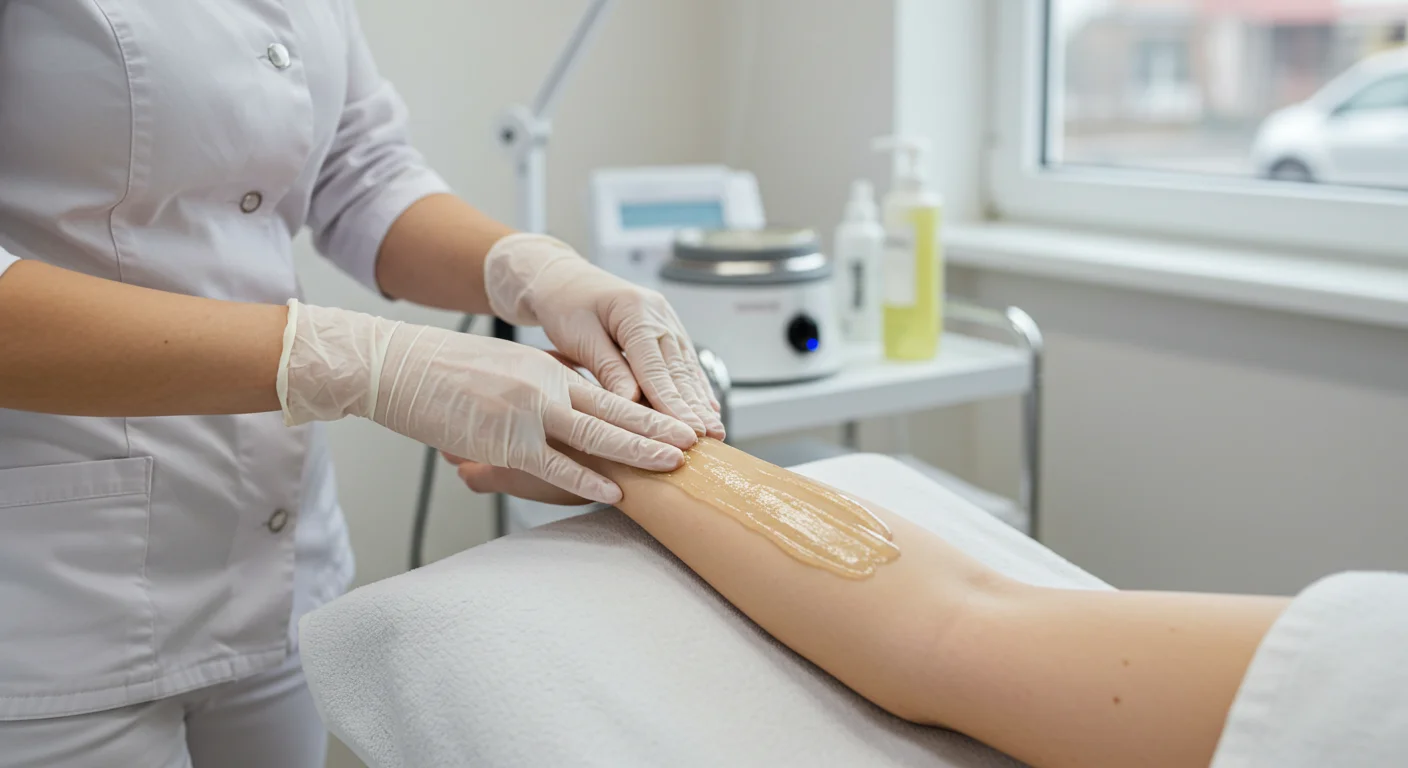
Soft wax, on the other hand, is applied thinly and removed with a cloth or paper strip. It adheres to both the hair and the top layer of skin. While effective for larger, less sensitive areas like legs, arms, and backs, it can be too aggressive for delicate zones. The adhesion to the skin means it can cause more irritation, redness, and even skin lifting, especially if not applied and removed correctly. For a full leg wax, soft wax is often more efficient due to the larger surface area. However, for that intimate, smooth feeling before a date, where sensitivity is high and appearance is paramount, I always advocate for hard wax in those specific regions. It’s a non-negotiable for me when client comfort and flawless results are the priority. For instance, at The Wax Boutique on Peachtree Road in Buckhead, we exclusively use high-quality hard wax for all bikini and Brazilian services because we believe in minimizing discomfort and maximizing client satisfaction. It makes all the difference.
Get smooth and event-ready
Look and feel your best for every occasion. Find a waxing studio near you and book ahead.
Find a Studio Near You →Pre-Wax Prep: Setting the Stage for Success
The success of your waxing experience, and the longevity of your smooth skin, begins long before you even step into the salon. Proper preparation is not just a suggestion; it’s a requirement for minimizing pain, preventing ingrown hairs, and achieving that enviable, silky finish. Neglecting these steps is like trying to bake a cake without preheating the oven; you’re setting yourself up for a less-than-ideal outcome.
First and foremost, exfoliation is your best friend. About 24 hours before your waxing appointment, gently exfoliate the area you plan to have waxed. This removes dead skin cells that can trap hairs, leading to ingrowns and a less effective wax. I always recommend a physical exfoliant with fine grains, or a chemical exfoliant like an AHA/BHA body wash. Just don’t overdo it; aggressive scrubbing can irritate the skin, making it more sensitive for the wax. A common misconception is to exfoliate immediately before the wax. Don’t! That can make your skin too raw. The day before is perfect. A good quality exfoliating mitt or a product like Dermalogica’s Exfoliating Body Scrub can do wonders.
Next, ensure your skin is clean and free of heavy lotions or oils on the day of your appointment. While moisturizing is crucial in the days leading up to your wax to keep skin supple, avoid applying thick creams right before. Residue can interfere with the wax’s ability to grip the hair effectively, leading to patchy results or requiring the esthetician to go over the same area multiple times, increasing irritation. A light, oil-free moisturizer is fine, but anything heavy should be skipped. Also, ensure your hair is the appropriate length. For most waxes, hair should be about a quarter-inch long (roughly the size of a grain of rice). If it’s too short, the wax won’t grip; too long, and it can be more painful and less efficient. Resist the urge to trim excessively yourself; your esthetician can always trim it to the ideal length if needed.
Hydration plays a subtle but significant role too. Drinking plenty of water in the days leading up to your wax can contribute to healthier, more resilient skin. Dehydrated skin can be more prone to tearing or irritation. And for those with a lower pain threshold, consider avoiding caffeine and alcohol immediately before your appointment, as they can sometimes increase skin sensitivity. A client once told me she always scheduled her waxes on her lunch break after a massive coffee. She’d always find it more painful. When she switched to morning appointments with just water, she noticed a considerable difference. It’s a small detail, but these small details cumulatively contribute to a truly “smooth” experience.
Post-Wax Perfection: Maintaining That Date Night Smoothness
Getting the wax is only half the battle; maintaining that incredible smoothness for your romantic evening and beyond requires diligent aftercare. This is where many people fall short, leading to ingrown hairs, bumps, and a prematurely rough texture. My philosophy is this: you invested in the wax, now invest a little time in preserving the results. It’s a package deal for sustained confidence.
Immediately after your wax, your skin will be a bit vulnerable. Avoid tight clothing, hot baths, saunas, and strenuous exercise for at least 24 to 48 hours. The friction, heat, and sweat can irritate newly waxed follicles and create a breeding ground for bacteria. Instead, opt for loose, breathable fabrics. I always tell my clients to think “comfort first” for the next day or two. Applying a soothing, fragrance-free lotion or gel, such as aloe vera or a specialized post-wax calming serum, can significantly reduce redness and inflammation. Many professional salons, including my own, offer excellent post-wax products designed to calm the skin and prevent breakouts. For instance, we often recommend the Tend Skin Solution for clients prone to ingrowns, applied sparingly a day or two after the wax.
Continuing your exfoliation routine a few days after your wax (once the initial tenderness has subsided) is absolutely critical for preventing ingrown hairs. Gentle exfoliation two to three times a week helps keep the skin clear so new hairs can grow through without getting trapped. Combine this with daily moisturizing using a rich, hydrating, and preferably fragrance-free lotion. Hydrated skin is supple skin, and supple skin allows hair to grow through more easily. I can’t stress this enough: consistency is key here. A client named Mark (yes, men wax too!) was preparing for his first anniversary getaway to Jekyll Island. He came in for a back wax and was diligent about his aftercare, using a salicylic acid body wash every other day and moisturizing twice daily. He reported back that his skin stayed incredibly smooth for weeks, with not a single ingrown. That’s the power of proper aftercare.
Finally, consider investing in a good quality ingrown hair serum or treatment. Products containing ingredients like salicylic acid, glycolic acid, or witch hazel can be incredibly effective at keeping follicles clear and preventing those pesky red bumps. Apply these a few days post-wax, and continue as part of your regular routine. This proactive approach ensures that your skin remains beautifully smooth, not just for your date night, but for weeks to come, making each waxing session a more worthwhile investment.
The Confidence Factor: Beyond Just Smooth Skin
While the physical smoothness of freshly waxed skin is certainly a primary goal, the true value of a well-executed waxing before an event like a date night extends far beyond the surface. It’s about the profound boost in confidence, the feeling of preparedness, and the subtle yet powerful shift in how you carry yourself. This isn’t just about looking good; it’s about feeling good, from the inside out.
There’s an undeniable psychological component to feeling impeccably groomed. When you know your skin is smooth and cared for, you move differently. You might choose that dress or outfit that you’d otherwise hesitate about. You might feel more comfortable and uninhibited, allowing you to focus entirely on your companion and the experience of the romantic evening, rather than being preoccupied with self-consciousness. It’s an investment in your personal comfort and self-esteem. I’ve had countless clients tell me how a good wax makes them feel “put together” or “ready for anything.” It’s not vanity; it’s self-care.
Moreover, the absence of stubble or razor burn eliminates a common source of discomfort and irritation, allowing for genuine relaxation. There’s no scratching, no itchiness, just pure, unadulterated smoothness. This physical comfort translates directly into mental ease. Imagine enjoying a beautiful meal at Atlas in the St. Regis, or a stroll through Piedmont Park, without a single thought about skin irritation. That’s the freedom waxing provides. It’s about removing one more thing from your mental checklist, freeing up space to truly be present and enjoy the moment. This confidence, this ease, is what truly makes a date night smooth, in every sense of the word. It allows your personality to shine without any external distractions. And frankly, that kind of inner glow is far more attractive than any flawless skin alone.
Achieving that perfect, long-lasting smoothness for a date night is entirely within reach with the right approach to waxing. By understanding the timing, choosing the correct wax, meticulously preparing your skin, and committing to post-wax care, you can ensure your skin is not only flawlessly smooth but also healthy and radiant. This commitment to self-care ultimately translates into a profound boost of confidence, allowing you to fully enjoy your romantic evening with comfort and ease.
How long does waxing last for a date night?
Typically, professional waxing results in smooth skin for 3 to 4 weeks. However, for a date night, you’ll experience peak smoothness in the first 1 to 2 weeks after your appointment, making that 3 to 5 day pre-event window ideal.
Can I wax at home before a special event?
While home waxing kits are available, for special events like a date night, I strongly recommend professional waxing. Estheticians have the expertise, proper products, and techniques to minimize irritation and ensure a superior, longer-lasting result, reducing the risk of mishaps or uneven patches.
What should I avoid doing right before my waxing appointment?
Before your waxing appointment, avoid tanning (sun or beds) for at least 24 hours, as this can make your skin more sensitive. Also, refrain from applying heavy lotions, oils, or deodorants to the area to be waxed, as they can interfere with the wax’s adhesion.
What if I get ingrown hairs after waxing?
To combat ingrown hairs, gently exfoliate the waxed area 2 to 3 times a week (starting a few days after your wax) and moisturize daily. Products containing salicylic acid or witch hazel, often found in ingrown hair serums, are also very effective in preventing and treating them.
Is there anything I can do to make waxing less painful?
To minimize pain, ensure your hair is the correct length (about a quarter-inch), avoid caffeine and alcohol before your appointment, and communicate openly with your esthetician about your pain tolerance. Regular waxing also tends to make subsequent sessions less painful as hair follicles weaken.


