 By Editorial Team
You’re seeing claymation film waxing pop up in arthouse cinemas again, and for good reason. It has a texture and a feel that digital animation just can’t replicate. The whole filmmaking process is built on a painstaking, tactile approach that results in a visual experience unlike anything else. For anyone into experimental cinema or just looking for a story told with real, physical artistry, claymation is where it’s at. So, let’s get into what it is and why the indie film circuit is giving it a fresh look.
Key Takeaways
- In claymation, animators have to pose and shoot clay models one frame at a time, a job that requires an incredible amount of patience and precision.
- Because it uses physical materials, claymation has a tangible texture and depth that most digital animation lacks, which is a huge part of its artistic appeal.
- Modern claymation projects often mix traditional stop-motion methods with digital software to improve visual effects and speed up the workflow.
- Arthouse cinemas and film festivals are featuring more claymation because they value its artistic merit and its ability to tell unconventional stories.
- Actually going to a claymation screening gives you a direct connection to this labor-intensive art, helping you appreciate its handcrafted beauty and narrative power.
The Careful Craft of Claymation Artistry
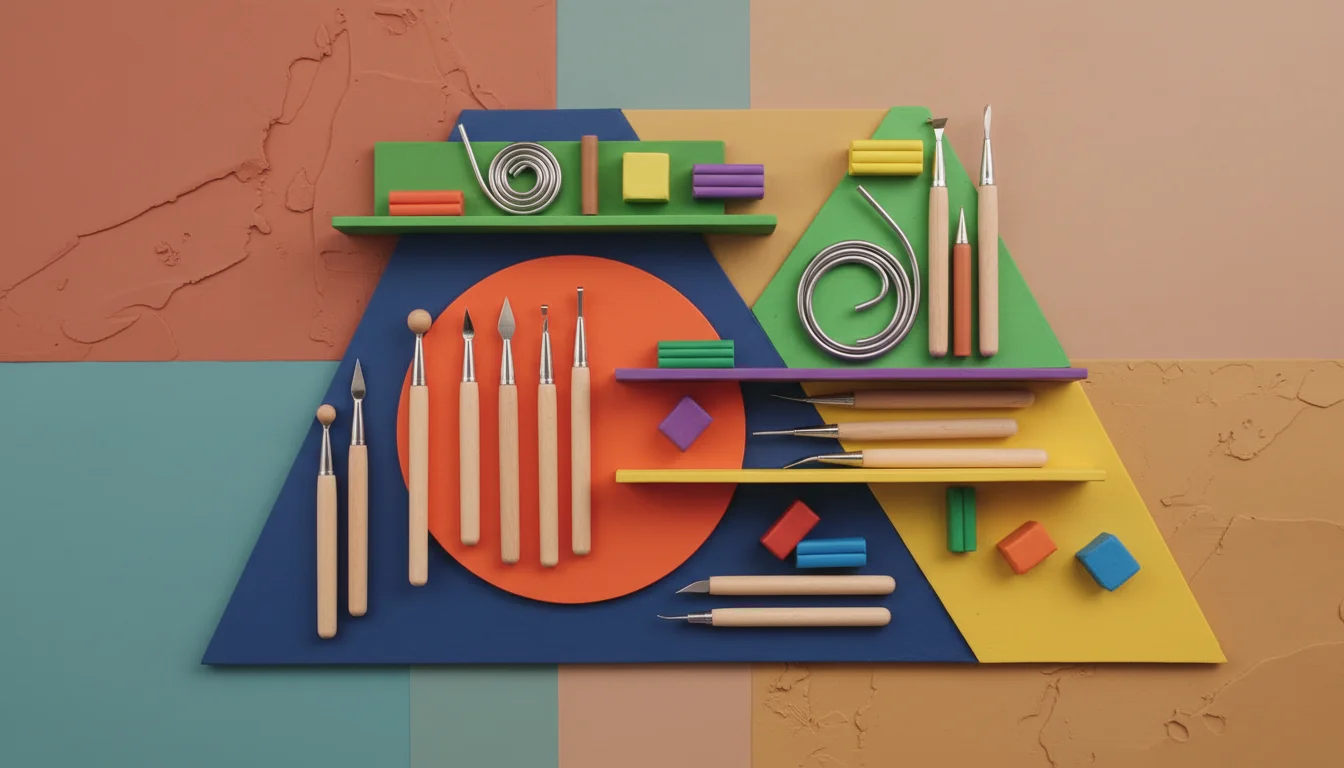
At its core, claymation is a specific kind of stop-motion animation. You take figures made of clay or something similar, manipulate them in tiny increments, and photograph every single movement. String those photos together, and you get the illusion of life. It’s an incredibly labor-intensive process that demands a ton of patience and a sharp eye for detail from the animators. The characters have a tangible quality that you won’t find in cartoons or CGI, with every accidental fingerprint or slight wobble adding to the film’s unique, imperfect charm.
Just think about the numbers: a single second of film needs somewhere between 12 and 24 separate frames. If a skilled animator is having a good day and produces just 10 seconds of finished footage, you can see how a 90-minute feature could take a dedicated team years to finish. This is about sculpting emotion and telling a story through tiny shifts in a character’s expression, all while building an entire world from miniature, handcrafted pieces. The physical nature of it all translates directly to the screen. Every prop and character is a real object, so the shadows they cast are real, the way light hits their surfaces is real, and the little imperfections become part of the art. When you watch a claymation film, you’re seeing the result of thousands of hours of intense physical work.
Arthouse Cinema Embraces Tactile Storytelling
The renewed interest in claymation film waxing in arthouse circles is happening for a reason. Indie theaters and film festivals want to show their audiences unique films that don’t follow the usual rules of storytelling or visuals. Claymation, with its handmade look and often surreal feel, is a perfect fit. The stories often get into themes that are more abstract, weird, or darkly funny, pushing boundaries in a way you rarely see from major animation studios. That tactile quality of the clay gives the characters a kind of raw vulnerability that really connects with people who are tired of the slick, sterile look of so much digital media.
For instance, big festivals like the Annecy International Animation Film Festival or the Ottawa International Animation Festival have always been huge supporters of stop-motion, because they get the artistry and sheer commitment it takes. These events are a lifeline for independent animators who would otherwise have a hard time finding an audience. But it’s more than just the visuals. The stories themselves seem to have more weight or a special kind of whimsy because of the medium. There’s a real charm to watching a story unfold through figures you know were touched and moved by human hands thousands of times. It creates an intimacy between the art and the viewer that’s getting harder to find. That focus on the handcrafted and the personal is exactly what arthouse audiences crave.
Silky-smooth legs that stay soft for weeks
Skip the daily shave. Find a top-rated waxing studio near you and book your first visit in minutes.
Find a Wax Studio Near You →Evolution of Claymation: Blending Tradition with Technology
Even though the heart of claymation is still traditional stop-motion, the field itself isn’t stuck in the past. Animators today are using digital tools to make their workflow smarter and push their creative ideas further. The goal is to augment the clay, not replace it. For example, digital cameras and capture software like Dragonframe have totally replaced old film setups, giving animators precise control, instant playback, and easier editing. Things like lighting effects or small character tweaks can be done in post-production now, which saves a ton of time that used to be spent making tiny physical adjustments on set.
But the core of the work is still moving physical models around. The digital tools are just there to help. Animators can plan out scenes more easily, test different lighting ideas without having to shoot them, and even mix in computer-generated elements smoothly with their clay worlds. This hybrid way of working makes bigger, more visually complex projects possible. It proves the art form can adapt to new tech without losing what makes it special. The whole point is to use technology to make claymation look even better and give artists more freedom, not to make it look like CGI.
Post-production is one area where technology has made a huge difference. Back in the day, digitally removing the armatures holding a character up, the wires for a flying effect, or even a stray piece of dust was a nightmare. Now, it’s relatively simple. This lets animators worry less about the technical logistics on set and more about the character’s performance. They can also use digital matte paintings or background extensions to create huge, believable worlds that would be impossible or way too expensive to build completely in miniature. This evolution is what keeps claymation relevant and pushing creative limits.
Why Experience a Claymation Film Screening?
Going to a claymation film screening, especially at an arthouse theater, is a completely different way to engage with a movie. These screenings are an appreciation of the craft itself. You get to see the artistry up close and really notice the texture of the clay, the tiny details in the movement, and the incredible dedication that went into every single frame. Unlike a blockbuster that’s all about speed and spectacle, a claymation film asks you to slow down and really look, to absorb all the handcrafted detail and appreciate the deliberate pacing.
Plus, these events often have Q&As with the filmmakers, show behind-the-scenes footage, or even include workshops. Getting that direct access gives you a much deeper understanding of the process, with all its challenges and breakthroughs. You might learn about the specific oil-based clays they use so they don’t dry out, how they build the internal skeletons (armatures) that let the figures hold a pose, or some clever trick they came up with to animate a difficult scene. These details make watching the film so much richer. It’s a chance to really connect with an art form that is all about patience, precision, and raw imagination.
Discovering Local Arthouse Venues and Events
If you’re in Atlanta and want to find these kinds of films, a few places consistently show independent and experimental work. The Plaza Theatre on Ponce de Leon Avenue is a classic, with a long history of programming arthouse stuff, including boundary-pushing animation. The Tara Theatre has also been a key spot for independent cinema and is another place to watch for specialized screenings. Your best bet is to just keep an eye on their schedules. Also, local groups like the Atlanta Film Society put on special events and festivals all the time that are perfect for finding niche genres like stop-motion. Checking their calendars is a smart move if you’re looking for upcoming claymation film screenings.
Also, don’t forget about community art centers and university film departments, like the ones at Georgia State University or Emory University. They often have public screenings or small film festivals showing student and independent animation. The smaller, more intimate setting can be great for actually talking to local filmmakers and other fans. And keep an eye out for pop-up events in creative neighborhoods like the Old Fourth Ward or West Midtown. Finding these often-unadvertised gems requires a little proactive searching, but supporting these local venues is what helps keep the city’s film scene alive and interesting.
Ditching the multiplex for a claymation screening is a refreshing change of pace, putting you in a room where you can feel the connection between intense craft and great storytelling. Go seek out these unique arthouse events to experience a truly handcrafted form of cinematic art.
What is the primary difference between claymation and other forms of animation?
The biggest difference is the physical object. Claymation uses actual, tangible models made of clay that are posed and photographed frame by frame. This gives it a handcrafted look and feel, whereas traditional animation uses drawings and CGI uses digital models on a computer.
How long does it typically take to produce a claymation film?
The production time for a claymation film can be immense and really depends on the project’s complexity and length. Because every single frame is manipulated by hand, even a short film can take months, and a full-length feature often takes a dedicated team several years to complete.
Are claymation films still being made today?
Oh, yeah. Claymation is definitely still being made. You have independent animators and some larger studios consistently putting out new work. They’re often mixing the classic hands-on techniques with modern digital tools to make the process more efficient and expand what’s possible visually.
Where can one typically find claymation film screenings?
Your best bet for finding claymation screenings is at arthouse cinemas and independent film festivals. Animation-specific festivals are a sure thing, as are film programs at universities. They’re usually part of special events that focus on experimental or niche genres.
What kind of narratives are best suited for the claymation medium?
Claymation is great for stories that can really lean into a unique visual style, especially ones that are a bit whimsical, surreal, or even darkly comedic. The medium allows for really expressive characters and textured environments that amplify that handcrafted charm.


