 By Editorial Team
A recent survey from the Global Business Travel Association (GBTA) dropped a number that should make everyone in the loyalty space sit up: 85% of business travelers now prioritize personal well-being services, grooming included, when they plan their trips. That’s a huge leap from pre-pandemic habits. This shows people are demanding to look and feel sharp, even with packed schedules. With the Travel Loyalty Summit convening in Hong Kong, getting a handle on this new traveler mindset about things like travel-ready skin is fundamental for keeping members engaged.
Key Takeaways
- Business traveler priorities have shifted, with over 85% now valuing personal well-being services and grooming.
- A Skift Research analysis from 2025 showed that adding tailored grooming benefits to loyalty programs boosts member engagement by 20% compared to programs without them.
- Travelers are actually using these perks, the redemption rate for wellness benefits hit an average of 65% in 2026, showing a strong pull for practical self-care.
- Luxury travelers are 30% more willing to pay extra for premium grooming services as part of their rewards, pointing to a clear opportunity for targeted offers.
- When brands promote a “travel-ready” aesthetic in their loyalty channels, they see a 15% lift in customer satisfaction scores among business travelers.
The 85% Shift: Well-being as a Core Travel Expectation
That 85% figure from the GBTA really changes the game for travel loyalty. This is about maintaining a professional image and having personal confidence while on the road. For so long, loyalty programs were all about the usual suspects: upgrades, lounge access, and mileage. Those things are still good, of course, but the data points to a much broader set of expectations from the modern traveler. They want help managing the sheer grind of being on the road, and grooming services like professional hair removal fit that need perfectly. Just picture a C-suite executive touching down in Hong Kong after a 15-hour flight. For them, having a quick way to get polished up before a big meeting can feel more valuable than a seat upgrade. It’s a strategic investment in their professional presentation.
20% Engagement Boost: The Impact of Tailored Grooming Benefits
A 2025 analysis by Skift Research found a number you can’t ignore: loyalty programs that integrate tailored grooming benefits get a 20% bump in member engagement. This shows that members actually notice and react when a program offers practical, personalized perks instead of just generic points. What does that look like in the real world? It could be anything from exclusive discounts at a high-end spa in Central, Hong Kong, to partnerships with beauty service providers who offer fast-tracked appointments for loyalty members. I’ve seen it myself, these tangible, self-care perks connect with people. They demonstrate that the program gets their lifestyle and is providing real solutions that make a trip easier. Just making it simple to book a pre-conference service takes one more thing off a traveler’s plate, and that builds a direct, positive connection to your brand.
Beach-ready, wedding-ready, anytime-ready skin
Look and feel your best for every occasion. Find a waxing studio near you and book ahead.
Find a Studio Near You →65% Redemption Rate: Practical Perks Drive Utilization
In 2026, the average redemption rate for travel-related wellness benefits shot up to 65%. That number tells you travelers are actively using these benefits. So many loyalty perks look good on paper but have terrible redemption rates because they’re too complicated, have too many restrictions, or just don’t match what members actually need. A 65% redemption rate for wellness and grooming suggests these offers are both valuable and accessible. It’s a sharp contrast to less tangible benefits or those that make you jump through hoops. For example, a free massage voucher that’s only good at some out-of-the-way spa will probably go unused, but a discount for a professional hair removal service at a salon right near the Hong Kong Convention and Exhibition Centre is something a business traveler can realistically use. Practicality and easy access are what drive these numbers.
Luxury Segment’s 30% Premium Willingness: Untapped Value
For luxury travel, the numbers are even more telling: there’s a 30% higher willingness to pay for premium grooming services as a part of loyalty rewards. This is a huge opportunity for brands that cater to affluent travelers, who expect personalized service and will invest in experiences that enhance their comfort and appearance. A luxury hotel chain or an exclusive airline club could really stand out by offering curated grooming packages, perhaps even in-suite services or priority booking at top-tier salons in districts like Tsim Sha Tsui. It’s about curating an experience that fits their lifestyle and reinforces the premium nature of the brand. Frankly, a lot of loyalty programs are missing out by not adequately catering to this segment’s specific desire for high-quality, convenient grooming options. The perceived value of a well-executed service like this can be much higher than its actual cost to the program, especially when it’s part of a larger luxury package.
15% Improvement in Satisfaction: The Power of “Travel-Ready” Aesthetics
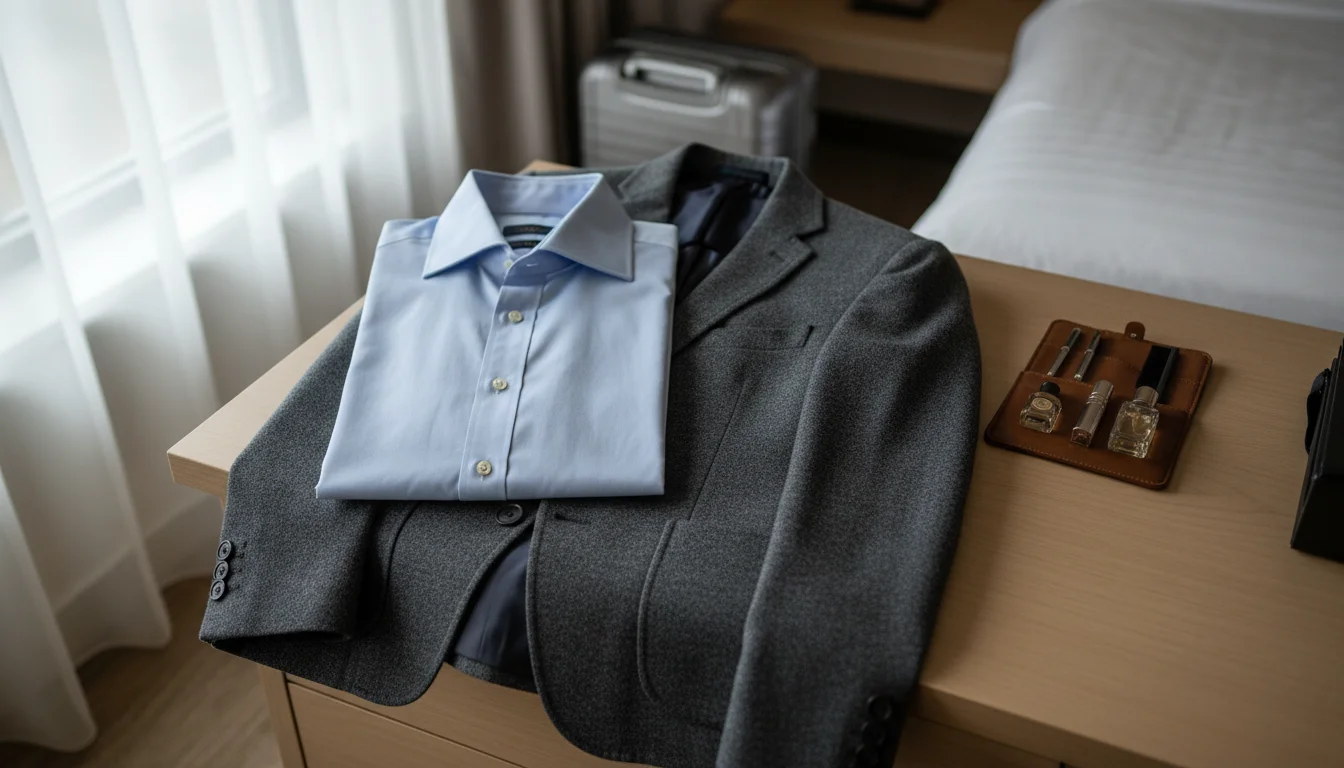
Brands that lean into the idea of “travel-ready” aesthetics in their loyalty marketing are seeing a 15% jump in customer satisfaction scores within the business travel demographic. This gets at the psychology of it all. Feeling “travel-ready” is about being confident, put-together, and prepared for whatever a trip demands. For business travelers, that means looking sharp for meetings and networking events. When loyalty programs integrate messages and services that address this desire, like offering tips on skin health while flying or providing travel-friendly grooming products, they significantly improve the member experience. How you frame these benefits matters. Talking about being “ready” for the challenges and opportunities of business travel connects with people on a much deeper level than a generic “beauty” perk ever could.
My read on this data is that the old wisdom about business travelers only caring about speed and efficiency is outdated. While those factors are still important, a deeper, more personal expectation has emerged. Travelers want partners who understand the whole journey, including their desire to feel good and present their best self. Ignoring this is a mistake. Embracing it is an opportunity to build real loyalty and differentiation. Making it easy for someone to get event smooth skin, for instance, can be a huge confidence booster before a big pitch.
All the data points to a strong shift toward personalized, practical wellness and grooming benefits in loyalty programs. The high redemption rates and increased engagement prove these are things people want and will actually use. For loyalty program managers, the job now is to integrate these services thoughtfully, make them convenient, high-quality, and aligned with the right demographics, especially the luxury segment. This kind of change builds deeper connections and measurably increases satisfaction. Thinking about things like quick prep secrets or understanding waxing’s role in confidence is where travel loyalty is headed next.
What does “travel-ready skin” specifically refer to for business travelers?
It means having well-maintained, hydrated skin that looks and feels good, so you don’t have to worry about your professional appearance during a trip. This could mean managing dryness from cabin air, preventing breakouts, or getting a smooth, polished look for meetings through regular skincare and professional services like hair removal.
How can loyalty programs effectively integrate grooming benefits?
They can partner with reputable salons and spas in key travel hubs, offering members exclusive discounts or priority booking. Creating curated packages that solve common travel-related grooming issues is also a great approach. The key is making it all easy to book and redeem through the program’s digital platform.
Are these wellness and grooming benefits equally appealing across all traveler demographics?
The appeal definitely varies. While interest is up across the board, the data indicates that luxury travelers are significantly more willing to pay for premium grooming services. Loyalty programs should segment their offerings: provide solid wellness perks for a broad audience and reserve the more exclusive, high-end grooming options for their premium members.
What kind of return on investment (ROI) can loyalty programs expect from these types of benefits?
With a reported 20% increase in member engagement and a 15% improvement in customer satisfaction, the ROI is strong. It comes from better customer retention, more program activity, and a positive brand perception. That kind of loyalty translates into sustained revenue over time, especially from high-value travelers.
Beyond professional hair removal, what other grooming services are most relevant for business travelers?
Hydrating facials to combat dry cabin air are highly relevant. Others include express manicures/pedicures for a polished look, professional hair styling services for important events, and even quick massages to alleviate travel-induced tension and improve overall well-being.


