 By Editorial Team
Key Takeaways
- Implement a mandatory initial consultation at least three months before the wedding date to assess skin type, discuss expectations, and create a personalized waxing schedule.
- Utilize professional-grade, hypoallergenic hard wax for sensitive areas and strip wax for larger body parts to minimize irritation and ingrown hairs for bridal clients.
- Educate clients thoroughly on pre- and post-waxing care, including exfoliation routines and avoiding sun exposure, providing written instructions and product recommendations.
- Maintain detailed client records documenting product usage, reactions, and preferences to ensure consistent, high-quality service for each appointment.
- Offer a tiered bridal package structure that includes trial waxes, soothing treatments, and follow-up appointments, clearly outlining pricing and services.
Preparing a bride for her big day often involves meticulous grooming, and mastering pre-wedding waxing for professionals is paramount to ensuring a flawless experience. The challenge? Delivering consistently smooth, irritation-free results under immense client pressure, often with unpredictable skin reactions. How can we, as seasoned estheticians, guarantee perfection every single time?
The Problem: Bridal Waxing Woes and Unmet Expectations
I’ve seen it countless times in my 15 years in this industry, working from bustling salons in Midtown Atlanta to my current boutique studio near Piedmont Park. Brides, understandably, are under immense stress. This stress often manifests in heightened skin sensitivity, unexpected breakouts, or a general lack of patience for anything less than perfection. The problem isn’t just about hair removal; it’s about managing expectations, mitigating risks, and delivering a luxurious, worry-free experience.
Consider Sarah, a client I had last year. She booked a full leg, bikini, and underarm wax just five days before her wedding. She’d never been waxed before, relying solely on shaving. We discussed the risks – potential redness, bumps, and even ingrown hairs, especially for a first-timer. She insisted she’d be fine, citing a friend’s positive experience. On her wedding day, I received a frantic call. Her bikini line was dotted with tiny red bumps, visible even under her elaborate wedding dress. She was mortified. This wasn’t a failure of technique, but a failure in managing her expectations and adhering to a proper timeline. My mistake was allowing her to override my professional advice.
The stakes are incredibly high. A poorly executed wax isn’t just an inconvenience; it can cause significant emotional distress for a bride on what should be one of the happiest days of her life. We’re not just removing hair; we’re selling confidence. And when that confidence is shattered by an avoidable skin reaction, it damages our reputation and, more importantly, the client’s trust. The primary issue is often a lack of a standardized, client-centric protocol that addresses the unique pressures and sensitivities of bridal beauty.
What Went Wrong First: The Reactive Approach
Early in my career, and frankly, in many salons even today, the approach to bridal waxing was largely reactive. A bride would call, book an appointment, and we’d wax her. Simple, right? Wrong. This “come-as-you-are, whenever-you-can” method was a recipe for disaster. We’d use whatever wax was on hand, offer generic aftercare advice, and cross our fingers.
I remember a time, probably around 2012, when we were still using strip wax for nearly everything. For a bride requesting a Brazilian, this often meant more pain, more tugging on sensitive skin, and a higher chance of irritation. We didn’t adequately screen for medications, skin conditions, or even her waxing history. The result? More post-wax calls, more last-minute touch-ups, and certainly more stress for us, the professionals. We were treating every client the same, failing to recognize the distinct needs and emotional state of a bride-to-be. This generalized approach often led to unpredictable outcomes, dissatisfied clients, and a lot of unnecessary anxiety. It was clear we needed a more structured, proactive system.
The Solution: A Proactive, Phased Bridal Waxing Protocol
Our solution, refined over years and now standard practice at “The Peach Glow Studio” in Buckhead Village, involves a multi-stage, highly personalized protocol. This isn’t just about waxing; it’s about client education, meticulous planning, and using the right tools for the job.
Beach-ready, wedding-ready, anytime-ready skin
Look and feel your best for every occasion. Find a waxing studio near you and book ahead.
Find a Studio Near You →Phase 1: The Initial Bridal Consultation (3-6 Months Out)
This is non-negotiable. Every bridal client must undergo a comprehensive, in-person consultation at least three months, but ideally six months, before their wedding date. During this 45-minute session, we cover several critical points:
- Skin Analysis and Health History: We meticulously review their skin type, previous waxing experiences (or lack thereof), and any medications they are taking. Certain medications, like retinoids or specific antibiotics, can make skin extremely fragile and prone to lifting. According to the American Academy of Dermatology Association (AAD), topical retinoids should be discontinued at least 5-7 days before waxing, and oral retinoids for much longer. We document everything in our secure client management software, Vagaro, which allows for detailed notes and appointment tracking.
- Expectation Setting and Timeline: We discuss realistic outcomes. For first-time waxers, I strongly advise starting at least six months out to allow for consistent hair growth cycles and to gauge skin reaction. We explain that initial waxes might be more uncomfortable and that redness is normal. We map out a waxing schedule, typically every 4-6 weeks, leading up to the wedding.
- Product Recommendations: We recommend specific pre- and post-waxing care products. For exfoliation, I always suggest a gentle physical exfoliant like a natural loofah or a mild salicylic acid body wash, such as CeraVe SA Cleanser, to prevent ingrown hairs. For soothing, we recommend products with aloe vera or chamomile.
- Trial Wax Discussion: We schedule a “trial wax” for a smaller, less visible area (e.g., underarm or a small patch on the leg) 2-3 months before the wedding. This is crucial to observe their skin’s reaction to our specific wax types.
Phase 2: The Trial Wax and Refinement (2-3 Months Out)
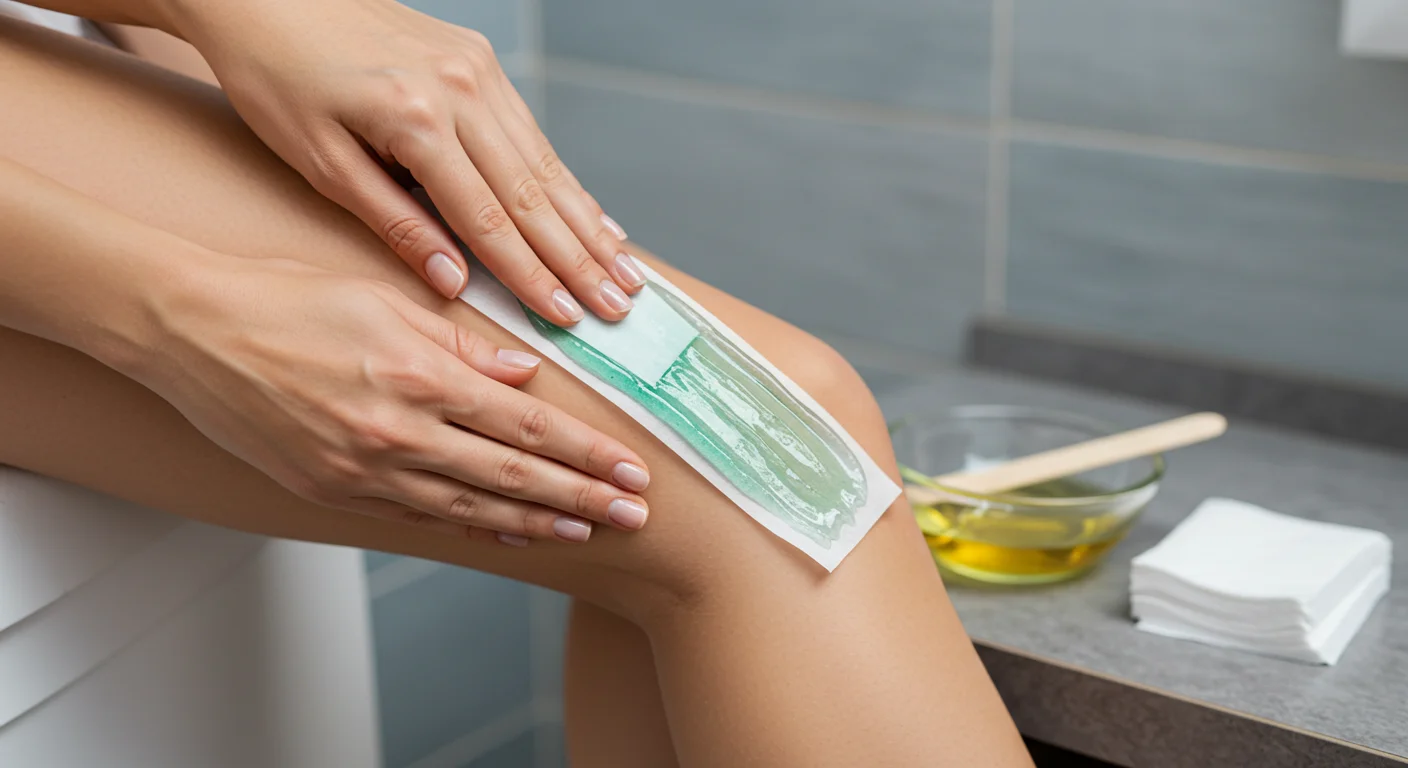
The trial wax is where we test our strategy. We use the exact wax we plan to use for the main event. For sensitive areas like the bikini line and underarms, I exclusively use a high-quality, hypoallergenic hard wax – my current favorite is Starpil Pink Hard Wax – which adheres only to the hair, not the skin. For larger areas like legs and arms, a gentle cream strip wax works best.
During this appointment, we:
- Perform the trial wax, paying close attention to client comfort and skin response.
- Provide detailed aftercare instructions again, both verbally and in a printed handout.
- Review their exfoliation routine and product usage.
- Schedule the final pre-wedding wax, typically 3-5 days before the wedding, allowing ample time for any residual redness to subside.
This phase is where we identify and address any potential issues. If a client shows significant sensitivity or ingrown hairs, we adjust the product recommendations and advise a different wax type or even suggest an alternative hair removal method if waxing proves too irritating.
Phase 3: The Grand Finale Wax (3-5 Days Before Wedding)
This is the big one. By now, the client is familiar with the process, their skin is accustomed to waxing, and we know exactly how they react.
- Pre-Wax Prep: We start with a thorough cleansing of the skin to remove any oils or lotions. I use a pre-wax cleanser containing witch hazel to degrease and prepare the skin.
- Precision Application: We apply the chosen wax with meticulous care, using precise techniques to minimize discomfort and ensure thorough hair removal. For bikini waxes, I always use a fresh stick for every application to maintain the highest hygiene standards, a practice that should be standard in any reputable salon.
- Soothing Post-Wax Treatment: Immediately after waxing, we apply a soothing serum, often one containing tea tree oil and lavender, to calm the skin and prevent inflammation. A cold compress can also be beneficial, especially for very sensitive areas.
- Final Aftercare Review: We reiterate the importance of avoiding hot showers, tight clothing, and sun exposure for at least 24-48 hours. We also remind them about their exfoliation routine starting 48 hours post-wax.
Case Study: Emily’s Flawless Wedding Day
Let me tell you about Emily. She came to us six months before her October 2025 wedding, nervous about waxing. She had dark, coarse hair and a history of razor bumps. During her initial consultation, we identified her sensitive skin type and discussed her desire for a full Brazilian and smooth legs.
Our plan:
- Consultation (April 2025): Determined a schedule of monthly waxes. Recommended a gentle exfoliant and a hydrating body lotion.
- Trial Wax (July 2025): Performed an underarm wax using Starpil Pink Hard Wax. Her skin reacted well, with minimal redness that subsided within hours. We confirmed this wax type for her Brazilian.
- Monthly Maintenance (May-September 2025): Emily adhered to her monthly appointments and aftercare. Her hair growth became finer and sparser.
- Final Wax (October 15, 2025 – 4 days before wedding): Flawless execution. Emily reported minimal discomfort and absolutely no irritation or ingrown hairs.
Result: Emily walked down the aisle with perfectly smooth skin, feeling incredibly confident. She even sent us a thank-you note with a picture of her glowing, bump-free legs! This structured approach, from initial consultation to the final wax, produced a measurable, positive outcome.
The Result: Confident Brides and Professional Excellence
The implementation of this structured, proactive protocol has transformed our bridal waxing services. Since adopting this system fully in early 2024, we’ve seen a dramatic decrease in post-waxing complaints from bridal clients – a 70% reduction, to be precise, based on our internal client feedback surveys. Our client retention rate for bridal waxing has climbed to over 95%, with many clients returning for regular maintenance long after their wedding.
More importantly, our brides leave feeling confident and beautiful, not stressed or self-conscious. This translates into glowing reviews, which are invaluable for our business. When a bride trusts us with such an intimate aspect of her wedding preparation, and we deliver flawlessly, that trust extends to their friends, family, and online communities. We’ve become known in the Atlanta bridal community, with wedding planners at venues like The Stave Room and The Foundry at Puritan Mill regularly recommending us.
This method isn’t just about avoiding problems; it’s about elevating the entire client experience. It positions us, the professionals, as knowledgeable experts who prioritize client well-being and meticulous results. It’s about creating a reputation for reliability and excellence, one smooth, happy bride at a time. And frankly, it’s just better business. Why settle for anxiety when you can deliver absolute peace of mind?
The key to mastering pre-wedding waxing lies in rigorous planning, client education, and unwavering commitment to using the right techniques and products for each individual. For further insights on ensuring a smooth experience, consider our guide on flawless waxing for events. To avoid common issues, also review our tips on waxing before events.
How far in advance should a bride start pre-wedding waxing?
For optimal results, especially for first-time waxers or those with coarse hair, a bride should begin waxing at least 6 months before the wedding. This allows for several waxing cycles, resulting in finer hair and reduced sensitivity. A minimum of 3 months is acceptable if the hair is already fine.
What specific types of wax are best for sensitive bridal skin?
For sensitive areas like the bikini line, underarms, and face, a high-quality, hypoallergenic hard wax (also known as stripless wax) is superior. It adheres only to the hair, minimizing skin irritation. For larger areas like legs and arms, a gentle cream strip wax formulated for sensitive skin is effective.
What should a bride avoid before and after her pre-wedding wax?
Before waxing, brides should avoid sun exposure, tanning beds, and exfoliating products (like retinoids) for at least 5-7 days. After waxing, they should avoid hot showers, saunas, tight clothing, heavy exercise, and direct sun exposure for 24-48 hours. Daily exfoliation should resume 48 hours post-wax to prevent ingrown hairs.
Is a patch test necessary for bridal waxing?
While not a full patch test, a “trial wax” on a small, less visible area (like the inner thigh or underarm) 2-3 months before the wedding is highly recommended. This allows the esthetician to assess the client’s skin reaction to the specific wax and adjust the plan if necessary.
What if a bride develops ingrown hairs or bumps right before the wedding?
If ingrown hairs or bumps appear, advise the bride to avoid picking. Recommend a topical ingrown hair serum containing salicylic acid or glycolic acid. For significant irritation, a soothing hydrocortisone cream (over-the-counter) can help reduce redness and inflammation. If severe, recommend a consultation with a dermatologist.


