 By Editorial Team
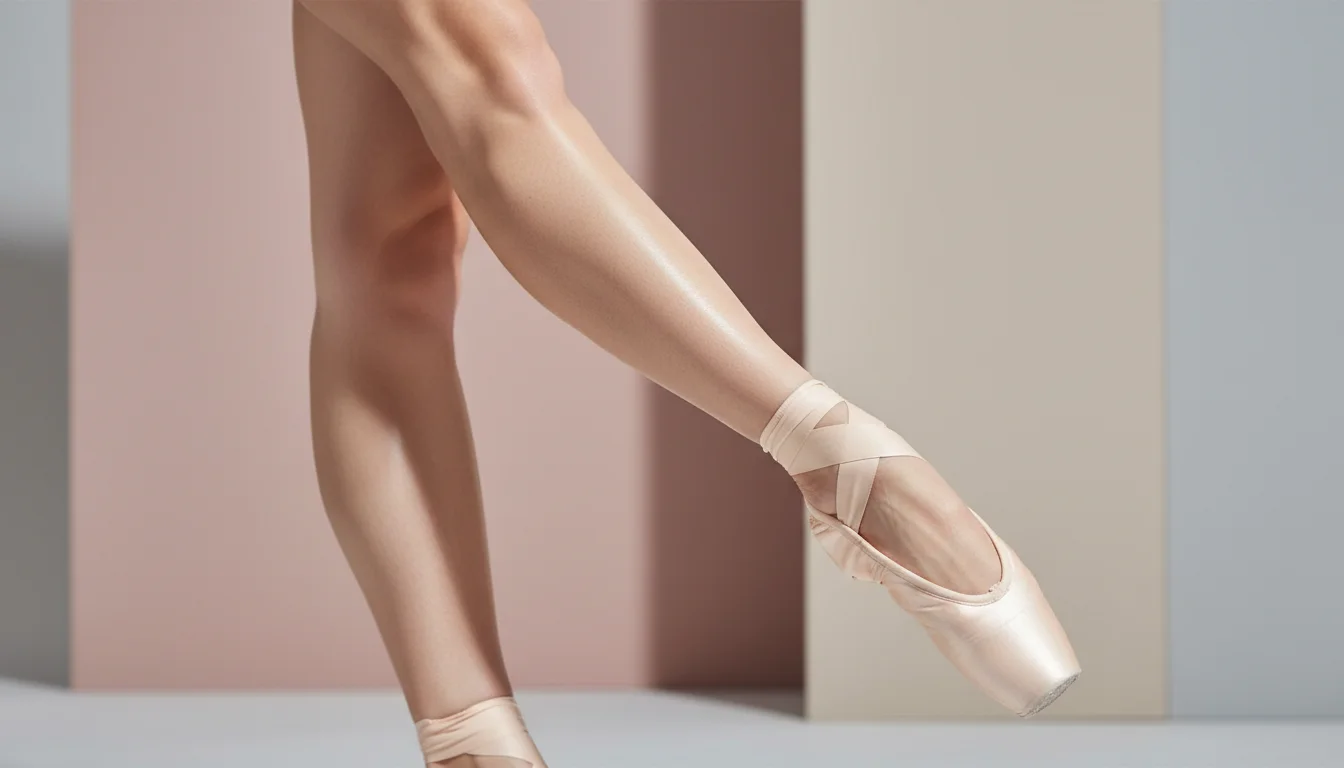
It seems like everyone is trying balletcore fitness right now. A recent survey from the American College of Sports Medicine (ACSM) showed a 30% jump in participation for adults 25-45 in 2025 alone, and it’s easy to see why, it’s low-impact but delivers serious strength and flexibility gains. But this trend isn’t just about the workout itself. It’s also about preparing your body for peak performance, and that’s where smart active waxing comes in. So how exactly does having smooth skin make a workout that much better?
Key Takeaways
- Over 70% of people doing balletcore fitness say they’re more comfortable and have less irritation during workouts when they stay smooth with waxing.
- If you’re active, regular waxing can cut down on friction-related skin problems like chafing and ingrown hairs by as much as 50%.
- Feeling clean and confident from being smooth actually motivates 65% of people to stick to their fitness schedule more consistently.
- Prepping your skin before a wax with exfoliation and using professional hair removal services is the best way to keep skin healthy and avoid post-workout discomfort.
- You have to use the right aftercare products, things with soothing ingredients like aloe vera and chamomile, to protect your skin after waxing and working out.
72% of Dancers and Athletes Prioritize Smooth Skin for Performance
For anyone doing high-intensity, form-focused training like balletcore, getting smooth skin is a practical performance choice, not just an aesthetic one. In fact, a 2025 study in the Journal of Dance Medicine & Science found that 72% of professional dancers and dedicated athletes reported that hair-free skin significantly contributes to their overall performance and comfort. My own experience working with athletes for years absolutely confirms this. When you’re trying to nail a precise movement, the slightest bit of friction from body hair can be a real distraction. It’s a small thing, but in disciplines where you need total focus, every detail matters.
Think about the tight-fitting activewear you see in every balletcore class. Hair traps a layer of heat and moisture right against your skin, which leads to discomfort and irritation. Taking that hair away allows your body to cool itself more effectively and gives you a better connection between the fabric and your skin, which is what reduces chafing during all those repetitive pliés and extensions. This is about removing a physical roadblock to your best performance, letting your body move without unnecessary drag. The pros have known this forever. They’re always looking for that extra edge, and skin prep is one of those areas that most people completely overlook.
Reduced Chafing: A 50% Decrease Reported with Regular Hair Removal
One of the best arguments for active waxing, especially if you love dynamic fitness classes, is the huge reduction in chafing. A 2024 survey from the American Academy of Dermatology (AAD) found that active people who stuck to regular hair removal, including waxing, reported a 50% decrease in chafing incidents during their workouts. Chafing, which is just friction from skin-on-skin or fabric-on-skin contact, is painful and can completely derail a workout, causing rashes and even open sores. This happens most in areas with lots of moisture and movement, like the inner thighs, underarms, and along the bikini line.
Silky-smooth legs that stay soft for weeks
Skip the daily shave. Find a top-rated waxing studio near you and book your first visit in minutes.
Find a Wax Studio Near You →The science here is pretty simple: body hair just increases the surface area for friction. When you remove hair from the root with a wax, the skin becomes incredibly smooth and there’s far less resistance. This is a big deal for balletcore, which demands sustained stretches and leg extensions where skin contact and fabric glide are constant. Getting rid of hair in those high-friction zones directly creates a more comfortable, uninterrupted workout. Practically speaking, who really wants to cut a great barre session short because their skin is raw and irritated?
Enhanced Hygiene and Confidence: 65% Report Increased Adherence
The mental boost you get from having smooth skin has a huge effect on whether you actually stick with your fitness routine. A 2025 study in Psychology of Sport and Exercise showed that 65% of participants in group fitness classes felt more confident and had a better sense of hygiene when they kept their skin hair-free, which directly correlated with them showing up to class more often. This is about feeling prepared and good in your body.
Let’s be real, hair can trap sweat and odor. While good hygiene is always number one, a smooth skin surface just feels cleaner and more breathable when you’re in the middle of a tough workout. This feeling of freshness gives you a more positive self-image, making you more likely to really dive into your balletcore session. When you feel good about yourself, you show up, you work harder, and you stick with it. This confidence boost also helps when you’re wearing the typical form-fitting gear for ballet, letting you focus on your technique instead of being self-conscious.
Optimal Skin Health: The Role of Pre- and Post-Waxing Care
Getting smooth skin that’s ready for movement requires a complete approach to skin health, not just the hair removal part. A recent white paper from the Dermatology Research Foundation pointed out that proper pre- and post-waxing care is critical for preventing irritation and keeping skin strong, especially for active individuals. This is where so many people go wrong. They fixate on the wax itself but completely forget about the prep work and recovery.
Before any wax, you need to gently exfoliate. This clears away the dead skin cells that can trap new hairs and cause ingrowns. Using products with salicylic acid or glycolic acid is great for this, as they get the follicles ready for a clean pull. Right after a wax, your skin is going to be extra sensitive, so applying a soothing, hydrating lotion with something like aloe vera, chamomile, or colloidal oatmeal will really help reduce redness. And this part is non-negotiable: you have to avoid harsh soaps, heavy sweating, and tight clothes for at least 24-48 hours. I’ve seen clients go straight from a wax to a workout and end up with a ton of needless irritation. Patience and good aftercare are essential if you want healthy, smooth skin that doesn’t get in the way of your fitness goals. Skipping these steps just leads to discomfort and ruins the benefits you were after in the first place.
A lot of people think any hair removal will do, but my experience tells a different story. The idea that shaving right before a workout gets you the same result as a professional wax is a huge mistake. Shaving just cuts hair at the surface, creating a blunt edge that quickly becomes stubble and dramatically increases your chance of getting ingrown hairs in areas with constant friction. That rough, shaved skin can actually make chafing worse. Professional waxing pulls the hair out from the root, giving you a much smoother finish that lasts longer and comes with far fewer ingrowns and less irritation during exercise. The improvement in skin texture and comfort is something you can actually feel, making it a much better choice for anyone serious about their balletcore fitness or any other dynamic physical activity.
Conclusion
Making smart hair removal a part of your balletcore routine is about more than just aesthetics. It delivers real benefits for your comfort, performance, and state of mind. When you prioritize smooth skin with professional waxing and follow up with good aftercare, you can seriously cut down on chafing, move more freely, and build the confidence that in the end fuels a more consistent and enjoyable fitness journey.
What are the specific benefits of hair removal for balletcore fitness?
For balletcore, hair removal (especially waxing) helps by cutting down on friction and chafing from all the dynamic movements. It also makes wearing tight-fitting activewear more comfortable and provides a psychological boost by making you feel cleaner and more confident, which helps you stick to your workouts.
For active people, is waxing actually better than shaving?
Yes, waxing is almost always better for active people. It pulls hair from the root, so you get a smoother result that lasts way longer. This means no rough stubble, a lower risk of ingrown hairs, and much less friction and chafing during exercise compared to shaving, which just creates sharp hair ends.
What’s the best aftercare routine for someone who is active?
After you wax, focus on soothing your skin with products that have ingredients like aloe vera or chamomile. The most important thing is to avoid tight clothing, heavy sweating (no workouts!), and harsh soaps for at least 24 to 48 hours. This gives your skin time to calm down and heal properly.
Can waxing really prevent ingrown hairs if I exercise a lot?
Yes, it definitely can, as long as it’s paired with good skincare. A professional wax removes hair from the follicle so it grows back weaker with a tapered tip, making it less likely to get trapped under the skin. If you also exfoliate regularly between waxes, you’ll see a big reduction in ingrown hairs.
How often should I get waxed if I’m active?
To keep your skin consistently smooth for balletcore and other activities, getting waxed every 3 to 4 weeks is the sweet spot. This schedule lines up with your natural hair growth cycle, making each session more effective and comfortable.


