 By Editorial Team
As a seasoned esthetician specializing in athletic preparation, I’ve seen countless individuals transform their performance and confidence through meticulous grooming. Preparing for sporting events goes beyond training and nutrition; often, it involves thoughtful consideration of your skin and body. For many active individuals, particularly those participating in swimming, cycling, running, or even bodybuilding, strategic hair removal is an essential component of their athletic prep. While often overlooked, the right approach to grooming can offer tangible benefits. Could a simple waxing appointment truly enhance your athletic experience?
Key Takeaways
- Professional waxing services can reduce drag in aquatic sports by up to 1-2%, offering a measurable performance advantage.
- Regular waxing promotes healthier skin by preventing common athletic issues like chafing, ingrown hairs, and folliculitis more effectively than shaving.
- A full-body wax can significantly improve comfort and hygiene for endurance athletes, especially in humid conditions or during prolonged events.
- Pre-event waxing should be scheduled 3-5 days before competition to allow for any minor skin irritation to subside.
- Choosing a reputable salon with experienced technicians and strict hygiene protocols is paramount for a safe and effective waxing experience.
The Undeniable Performance Edge: Aerodynamics and Hydrodynamics
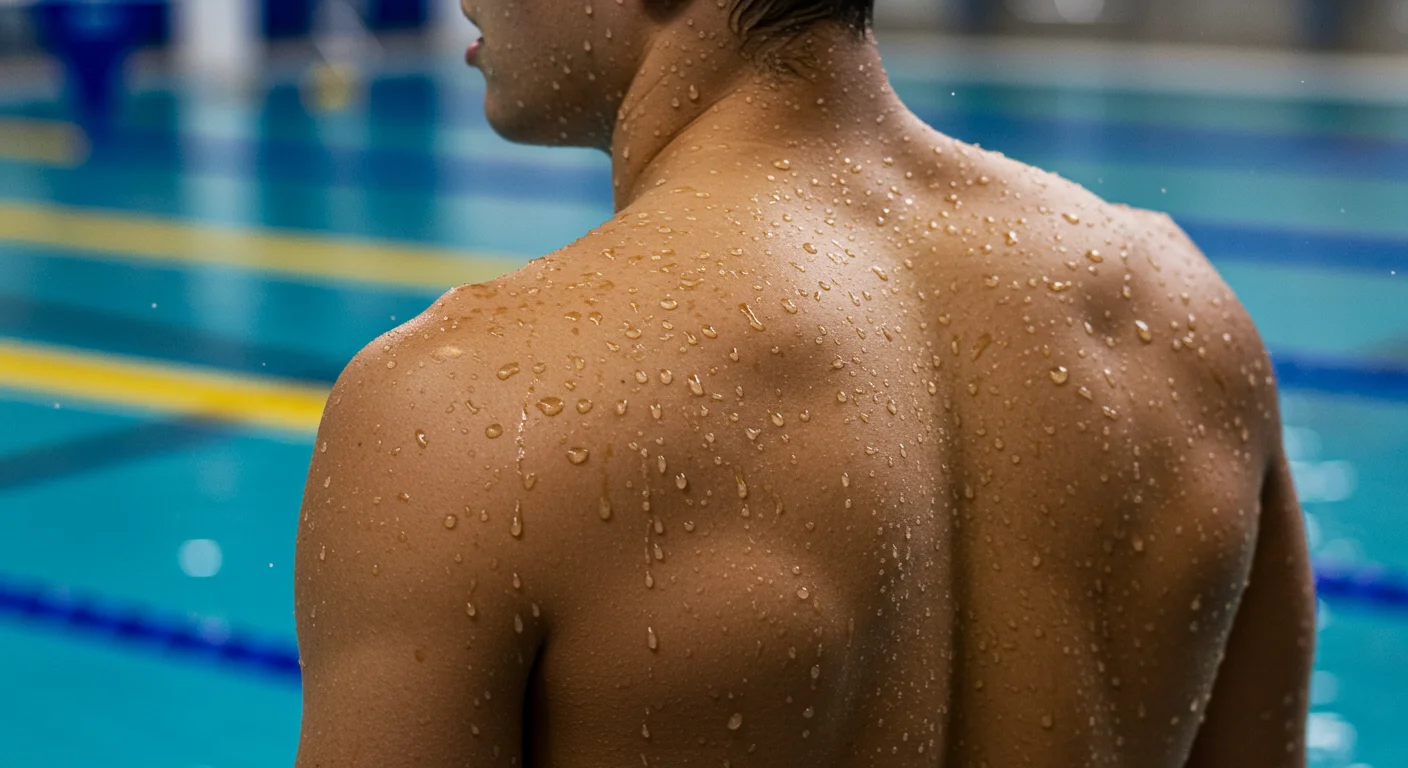
Let’s be blunt: hair creates drag. This isn’t just anecdotal; it’s physics. For athletes where every millisecond counts, minimizing resistance is paramount. Think about competitive swimmers. According to a study published in the Journal of Applied Physiology, body hair removal can reduce drag in water by a small but significant percentage, typically in the range of 1-2%. While that might sound marginal to some, ask any Olympic hopeful if they’d turn down a 1% advantage. They wouldn’t. We’re talking about the difference between a gold medal and fourth place.
But it’s not just swimmers. Cyclists, especially those competing in time trials or track events, also benefit. While the impact of leg hair on aerodynamic drag might be less pronounced than in water, it’s still there. Specialized cycling suits are designed to be as smooth as possible for a reason. Why then, would you compromise that aerodynamic advantage with body hair? It simply doesn’t make sense. I’ve had clients, particularly triathletes, who initially dismissed waxing as purely cosmetic. After their first full-leg and arm wax, they invariably report a sensation of “slipperiness” and often, personal bests. One client, a competitive age-group triathlete named Sarah, shaved her legs for years. After convincing her to try waxing before her A-race last season, she called me ecstatic. “I felt like I was gliding through the water,” she exclaimed, attributing a new personal best in the swim leg directly to the reduced drag. That’s not just perception; that’s performance.
Beyond the Finish Line: Comfort, Hygiene, and Injury Management
The waxing benefits extend far beyond just speed. For endurance athletes, comfort during prolonged activity is a non-negotiable. Chafing is a common enemy, especially in areas like the inner thighs, underarms, or even the chest. Hair, particularly coarse hair, can exacerbate this issue by trapping sweat and increasing friction. Removing hair from these high-friction zones creates a smoother surface, significantly reducing the likelihood of painful chafing and rashes. Imagine running a marathon with raw, chafed skin – it’s a nightmare scenario that can derail even the best-trained athlete. A professional wax can prevent this entirely.
Beach-ready, wedding-ready, anytime-ready skin
Look and feel your best for every occasion. Find a waxing studio near you and book ahead.
Find a Studio Near You →Then there’s hygiene. Athletes sweat, a lot. Body hair can trap sweat, bacteria, and dirt, leading to unpleasant odors and increasing the risk of skin infections like folliculitis. Waxing removes hair from the follicle, leaving skin smoother and making it easier to clean thoroughly post-workout. This is especially crucial for athletes who spend extended periods in tight-fitting gear or humid environments. As an esthetician, I’ve seen firsthand how improved hygiene from waxing can prevent persistent skin issues that plague active individuals. We also find that for athletes requiring tape or kinesiology support, hair-free skin provides a much better adhesion surface, preventing painful removal and allowing the tape to work more effectively. No one wants to rip off tape with hair attached; it’s an unnecessary agony.
Finally, consider injury management. For athletes, scrapes, cuts, and minor injuries are part of the game. Hair-free skin makes it significantly easier for medical staff, coaches, or even the athlete themselves to clean and dress wounds effectively. It also allows for clearer visibility of skin conditions, muscle definition, and potential swelling, aiding in quicker diagnosis and treatment. In physical therapy settings, hair can impede the application of certain modalities or massage techniques. A smooth surface ensures better contact and more effective treatment. I had a collegiate soccer player come in after a hamstring strain; his physical therapist had actually recommended waxing his leg to facilitate better access for ultrasound and massage. It truly makes a tangible difference in recovery and ongoing care.
The Art of Timing: When to Wax for Optimal Results
Timing is everything when it comes to pre-event waxing. This isn’t a last-minute decision you make the day before a competition. I always advise my athletic clients to schedule their waxing appointment approximately 3 to 5 days before their sporting event. This window allows for any potential redness, sensitivity, or minor irritation to completely subside. While professional waxing, especially with high-quality hard wax, minimizes skin reactions, every individual is different. Giving your skin a few days to recover ensures you step onto the field, track, or into the water feeling completely comfortable and confident, not tender or irritated.
For first-timers, I often recommend a “trial run” wax several weeks or even a month before their main event. This allows them to experience the process, understand how their skin reacts, and address any concerns well in advance. It also gives us an opportunity to choose the best type of wax and post-care routine for their specific skin type and hair growth pattern. Consistency is key here. Regular waxing, typically every 3-4 weeks, leads to finer, sparser hair regrowth over time, making subsequent waxing sessions less uncomfortable and results longer-lasting. This isn’t a one-and-done solution; it’s part of an ongoing athletic grooming regimen.
Choosing Your Professional: Expertise, Hygiene, and the Right Wax
This is where I get opinionated. Do NOT, under any circumstances, attempt a full-body wax at home before a major competition. This is not the time for DIY experiments. The risks of improper technique – ingrown hairs, skin lifting, bruising, or incomplete hair removal – far outweigh any perceived cost savings. For athletes, whose bodies are their temples, professional waxing is an investment, not an indulgence. You need an experienced, certified esthetician who understands the unique needs of athletic skin and hair.
When selecting a salon, prioritize hygiene above all else. Look for a clean, well-maintained environment. Technicians should always use fresh gloves, never double-dip applicators into the wax pot, and maintain impeccable sanitation standards. Ask about the type of wax they use. For athletes, I strongly recommend a high-quality hard wax (also known as stripless wax) for sensitive areas and coarser hair. Hard wax adheres only to the hair, not the skin, making it significantly less painful and reducing the risk of irritation compared to strip wax. At my practice, Atlanta Wax Studio, we exclusively use premium hypoallergenic hard waxes for our athletic clients, sourcing products from LYCON Cosmetics, a brand renowned for its gentle yet effective formulas. We train our staff rigorously on specific techniques for athletic bodies, understanding muscle contours and sensitivity points.
Case Study: The Marathon Runner’s Transformation
Let me share a concrete example. Last year, we worked with David, a 45-year-old marathon runner preparing for the Atlanta Marathon. David struggled with severe chafing on his inner thighs and underarms, particularly during long training runs in the humid Georgia summer. He had tried every anti-chafing cream on the market with limited success. We devised a waxing plan: a full leg, inner thigh, and underarm wax, scheduled every four weeks. His first appointment, three months before the marathon, was a learning curve. We used a calming hard wax and provided detailed aftercare instructions, including a specific hydrating serum and exfoliant. Over the next two months, his hair growth became noticeably finer and sparser. By his pre-marathon wax, scheduled five days out, his skin was smooth, resilient, and virtually free of irritation. David completed the Atlanta Marathon with zero chafing, a significant improvement from his previous races. He attributed his increased comfort and focus directly to the waxing regimen, allowing him to maintain his pace and achieve a personal best of 3 hours and 15 minutes. This isn’t just about aesthetics; it’s about optimizing the conditions for peak performance.
For athletes, embracing waxing as part of their athletic prep regimen is a strategic move, offering tangible benefits from enhanced performance to improved comfort and hygiene. It’s not merely a cosmetic choice but a practical investment in your body and your game. Give your body the edge it deserves.
How long does hair need to be for effective waxing?
For optimal results, hair should be at least 1/4 inch long (about the size of a grain of rice). This usually means letting hair grow out for 2-3 weeks after shaving before your first waxing appointment.
Does waxing hurt, and how can I minimize discomfort?
While waxing involves some discomfort, it’s typically brief. Pain tolerance varies, but using high-quality hard wax and having an experienced esthetician significantly reduces sensation. Avoiding caffeine before your appointment and taking an over-the-counter pain reliever like ibuprofen 30 minutes prior can also help.
How often should athletes wax to maintain results?
Most athletes find that waxing every 3-4 weeks is ideal for maintaining smooth skin and managing hair regrowth. Consistent waxing can lead to finer, sparser hair over time, making subsequent sessions more comfortable and effective.
Can waxing cause ingrown hairs, and how do I prevent them?
Ingrown hairs can occur with any hair removal method, but proper technique and aftercare minimize the risk. Regular exfoliation 2-3 times a week (starting 48 hours after your wax) and keeping skin hydrated are crucial for prevention. Look for products containing salicylic acid or glycolic acid for gentle exfoliation.
Is there a specific aftercare routine for athletes post-waxing?
Yes, immediately after waxing, avoid hot showers, saunas, swimming pools, and intense exercise for 24-48 hours to prevent irritation and bacterial exposure. Wear loose-fitting clothing, and apply a soothing, non-comedogenic lotion. Resume gentle exfoliation after 48 hours to prevent ingrown hairs.


