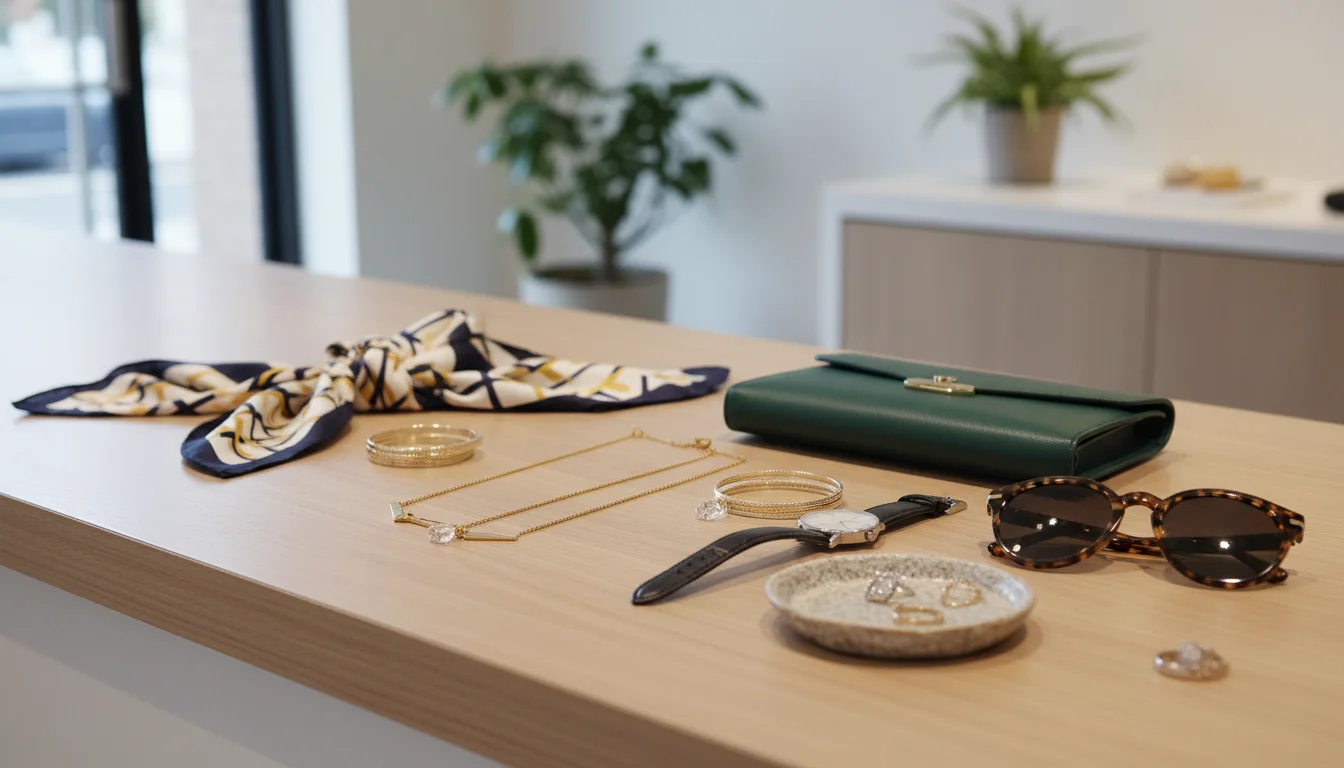
 By David Miller
Key Takeaways
- Assess your current wardrobe and lifestyle needs before purchasing new accessories to ensure practical and versatile additions.
- Prioritize foundational pieces like a classic watch or quality leather belt, which offer long-term style dividends.
- Experiment with bold colors or unique textures in smaller accessories such as scarves or statement earrings to inject personality without overhauling your entire look.
- Always try on accessories with existing outfits to confirm they integrate well with your personal style.
- Invest in proper storage solutions like jewelry boxes or scarf hangers to maintain accessory quality and visibility.
Shopping for accessories should feel like a helping journey, not a chore. It’s about making choices that reflect your personal style and enhance your confidence. The right accessory shopping experience leaves you feeling polished and prepared for any occasion. But how do you make truly confident choices that improve your look?
1. Conduct a Wardrobe Audit: The Foundation of Smart Accessory Choices
Before stepping into any store, virtual or physical, you must understand what you already possess and what gaps exist. This isn’t just about counting items. It’s about analyzing your current style, your most frequent activities, and the predominant colors and textures in your clothing. Pull everything out. Lay it on your bed. Group items by type: workwear, casual, formal. This visual exercise often reveals patterns you weren’t consciously aware of. For instance, you might discover an abundance of silver jewelry but a complete absence of gold, or a closet full of neutrals begging for a pop of color.
Pro Tip: Take photos of your favorite outfits. Reviewing these images can help you identify recurring accessory needs or areas where a specific type of item (e.g., a statement necklace for plain blouses, a structured bag for casual dresses) would significantly improve versatility. I often advise clients to create a digital mood board with these pictures, noting down potential accessory pairings. This proactive approach saves both time and money.
Common Mistake: Buying accessories in isolation. A beautiful necklace might catch your eye, but if it doesn’t complement at least three existing outfits, its utility becomes limited. Always consider how new pieces will integrate with your current collection.
2. Define Your Style Persona: What Do Your Accessories Say About You?
Your accessories are an extension of your personality. Are you minimalist, bohemian, classic, edgy, or a blend of several styles? Understanding this helps you filter through the endless options. A minimalist might gravitate towards clean lines and subtle pieces, while someone with an edgy aesthetic might prefer chunky, industrial-inspired jewelry. This definition isn’t static. It can evolve, but having a clear sense of it for the current season or phase of your life prevents impulse buys that don’t align with your overall image. Consider the difference between a delicate chain with a small pendant and a multi-layered, mixed-metal necklace. Each tells a different story.
According to a 2024 survey by the National Retail Federation (NRF), 68% of consumers stated that personal expression through clothing and accessories was a significant factor in their purchasing decisions. This shows the importance of intentional choices.
3. Prioritize Versatility: The Foundation of a Functional Collection
When making confident accessory choices, versatility is paramount. Look for pieces that can transition smoothly between different occasions and outfits. A classic leather belt, for example, can improve jeans and a t-shirt or cinch a flowy dress for a more defined silhouette. A silk scarf can be worn around your neck, tied to a handbag, or even woven into your hair. These multi-functional items provide maximum impact for your investment.
Think about materials. High-quality leather, durable metals, and natural fibers generally offer greater longevity and adaptability. A structured handbag in a neutral tone like black, tan, or deep navy will serve you far better than a trendy, brightly colored one if you’re building a foundational collection. I’ve seen countless clients regret purchasing a lively, seasonal bag that only matches one or two outfits. It quickly becomes a closet orphan.
Get smooth and event-ready
Look and feel your best for every occasion. Find a waxing studio near you and book ahead.
Find a Studio Near You →4. Set a Budget and Stick to It: Financial Confidence in Shopping
Accessory shopping can quickly become an expensive endeavor if not managed. Before you begin browsing, establish a realistic budget. This isn’t about deprivation. It’s about making deliberate financial decisions. Decide whether you’re saving for one significant investment piece (like a designer handbag or a high-quality watch) or spreading your budget across several smaller, trend-driven items.
Pro Tip: Allocate a percentage of your discretionary spending specifically for accessories each month or quarter. Tools like Mint or YNAB can help track these expenditures, providing clear insights into where your money goes. This discipline helps you to make purchases without buyer’s remorse, knowing they fit within your overall financial plan.
Common Mistake: Falling for “sale” items that don’t fit your needs or style simply because they are discounted. A bargain isn’t a bargain if you never wear the item. Always refer back to your wardrobe audit and style persona before committing.
5. Experiment with Statement Pieces: Injecting Personality
While versatility is key for foundational items, don’t shy away from incorporating a few bold, statement accessories. These are the pieces that truly express your individuality and can transform a simple outfit into something memorable. This could be a chunky necklace, oversized earrings, a brightly colored clutch, or a unique pair of shoes. The trick is balance. If you opt for a bold necklace, keep your earrings minimal. If your earrings are the focal point, choose a more understated bracelet.
I often advise clients to start with one statement piece per outfit. This prevents the look from becoming overwhelming. A single, well-chosen item can speak volumes without shouting. For example, a crisp white shirt and tailored trousers become instantly more interesting with a lively, art-inspired scarf draped around the neck.
6. Consider Comfort and Practicality: Style Meets Function
No matter how beautiful an accessory is, if it’s uncomfortable or impractical, you won’t wear it. This is particularly true for items like shoes, bags, and certain types of jewelry. Heavy earrings can pull on earlobes, oversized rings can be cumbersome, and an impractical handbag might look chic but fail to hold your essentials. Always try on accessories and consider your daily routine. Will that tiny clutch truly work for an entire evening out if you need your phone, wallet, and keys? Does that intricate bracelet catch on your clothing?
According to a 2025 consumer report by NPD Group, comfort and functionality ranked among the top three considerations for accessory purchases, especially for everyday items like handbags and footwear. Ignoring these factors leads to unused items and wasted money.
7. Invest in Quality Materials: Longevity and Appearance
The quality of your accessories significantly impacts their appearance and lifespan. Investing in well-made items from durable materials pays dividends in the long run. Genuine leather, sterling silver, gold-filled or solid gold jewelry, and high-quality textiles like silk or cashmere not only look better but also withstand the test of time. While fast fashion accessories might seem appealing due to their low price point, they often deteriorate quickly, requiring frequent replacement.
Choosing quality doesn’t always mean choosing the most expensive option. Many brands offer excellent craftsmanship at accessible price points. Research materials and read reviews. For example, a well-constructed watch with a sapphire crystal will resist scratches far better than one with a mineral glass face, offering greater clarity and durability over years of wear.
8. Maintain and Store Your Accessories Properly: Preservation is Key
Once you’ve made your confident accessory choices, proper maintenance and storage are important for preserving their beauty and extending their lifespan. Jewelry should be stored in individual pouches or compartments to prevent tangling and scratching. Silver tarnishes. Regular cleaning with a soft cloth and appropriate solution keeps it gleaming. Leather bags benefit from conditioning to prevent drying and cracking, and they should be stored stuffed to maintain their shape.
Pro Tip: Use clear acrylic drawers or velvet-lined trays for jewelry. Scarves can be hung on specialized hangers or folded neatly in drawers. This not only protects your items but also makes them visible and accessible, encouraging you to wear them more often. I’ve seen many clients rediscover “lost” pieces simply by reorganizing their accessory storage.
Making confident accessory choices is about intentionality, understanding your personal style, and prioritizing quality and versatility. It’s a process that combines self-awareness with strategic shopping, ensuring every piece you own genuinely enhances your look and boosts your self-assurance.
How often should I update my accessory collection?
There’s no fixed rule, but a good practice is to reassess your collection twice a year, typically with seasonal wardrobe changes. This allows you to identify pieces that are worn out, no longer fit your style, or are needed to complement new clothing purchases.
What are the essential accessories every wardrobe needs?
Essential accessories include a versatile handbag (or two, one for day, one for evening), a classic watch, a quality leather belt, a pair of stud earrings (or hoops), and a versatile scarf. These items form a strong foundation that can be built upon.
How can I incorporate color into my accessories without clashing?
Start with one lively accessory against a neutral outfit (e.g., a brightly colored handbag with a black dress). Alternatively, choose colors that are complementary or analogous to your outfit’s primary color. A color wheel can be a helpful visual guide for this.
Is it better to buy many inexpensive accessories or a few expensive ones?
Generally, a balanced approach is best. Invest in a few high-quality, timeless pieces that will last for years, such as a well-made watch or a classic leather bag. Supplement these with more affordable, on-trend items that can be updated seasonally without significant financial commitment.
How do I know if an accessory truly suits me?
Always try the accessory on with an outfit you frequently wear. Stand in front of a full-length mirror and observe how it integrates with your overall look. Consider your body proportions, skin tone, and personal style. If it feels comfortable and makes you feel good, it’s likely a good fit.


