 By Jon Wyatt
Preparing for summer often means considering hair removal, and the journey to achieving beach ready waxing is often shrouded in myth. There’s so much misinformation floating around that it’s hard to separate fact from fiction, leaving many feeling overwhelmed or making less-than-ideal choices. But with the right approach, you can confidently achieve smooth, lasting results. So, what’s really true about getting yourself perfectly prepped for the sand and surf?
Key Takeaways
- Exfoliate 24-48 hours before your waxing appointment to prevent ingrown hairs and ensure a smoother result.
- Avoid scheduling waxing during your menstrual cycle or immediately before, as skin can be more sensitive due to hormonal fluctuations.
- Hair needs to be at least ¼ inch long (about the size of a grain of rice) for the wax to properly adhere and remove it effectively.
- Post-wax aftercare, including moisturizing and avoiding tight clothing, is critical for preventing irritation and prolonging smoothness.
Myth #1: Waxing is always excruciatingly painful, no matter what.
This is probably the biggest deterrent for anyone considering waxing, and frankly, it’s a gross exaggeration. While I won’t lie and say it feels like a gentle caress, the idea that every waxing session is an unbearable ordeal is simply false. The truth is, pain levels are highly subjective and significantly decrease over time with consistent waxing. I had a client last year, a first-timer, who was visibly nervous, almost shaking, convinced she’d be screaming. After her session, she was shocked, saying, “That wasn’t nearly as bad as I thought! The anticipation was worse than the actual wax.”
Several factors influence the discomfort. Your individual pain threshold plays a huge role, of course. But more importantly, the skill of your esthetician makes a massive difference. A professional with proper training and technique can make the experience far more tolerable. They know how to prep the skin, apply the wax correctly, and pull efficiently, minimizing pain. We, at The Smooth Sanctuary in Buckhead Village (right off Peachtree Road NE), emphasize rapid, precise application and removal. Moreover, consistent waxing actually thins the hair and weakens the follicle over time, making subsequent sessions much less painful. Think of the first time as the hardest; it gets easier from there. A study published in the Journal of Clinical and Aesthetic Dermatology in 2022 highlighted that regular hair removal methods, including waxing, can lead to reduced hair thickness and density over time, which naturally lessens discomfort.
Myth #2: You should always wax right before your beach trip for the smoothest results.
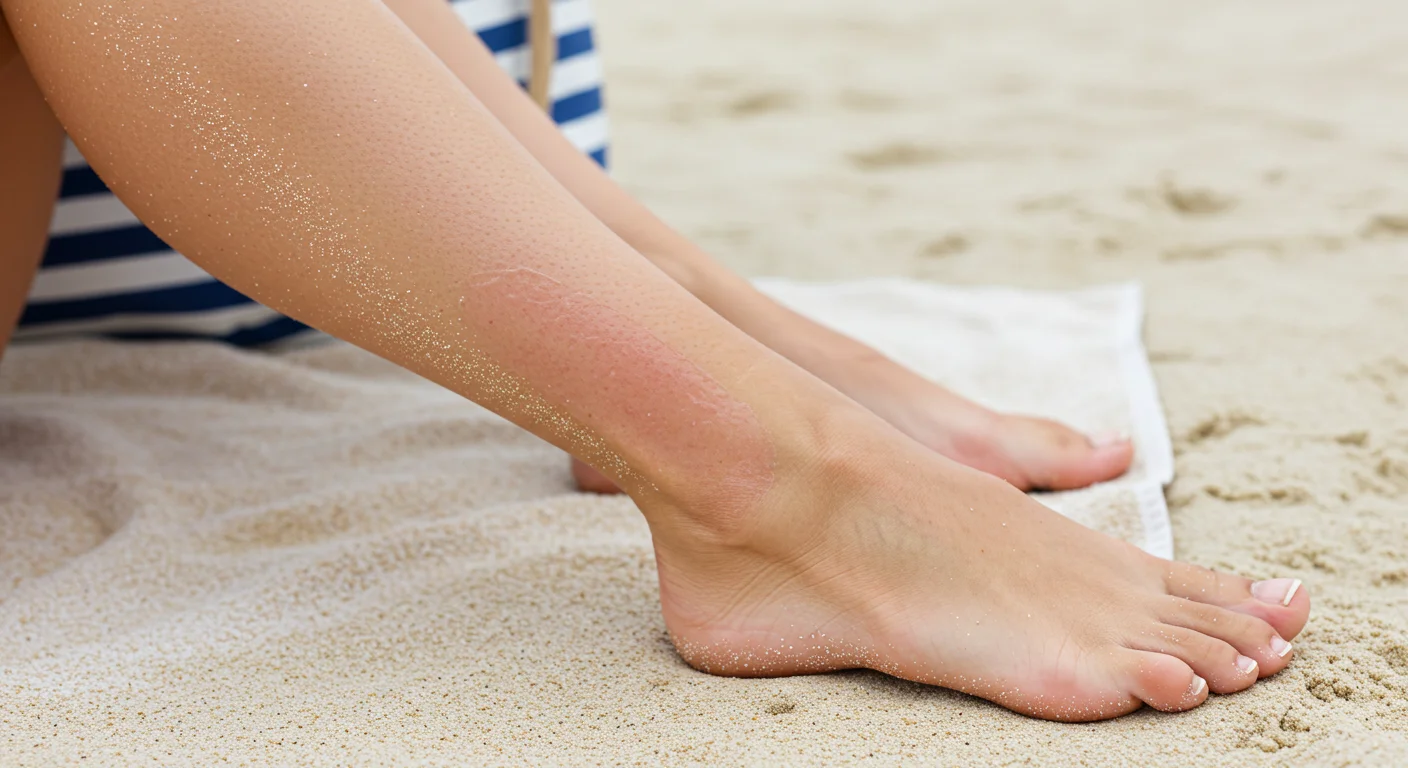
This is a common misconception that can lead to a less-than-ideal beach experience. While the desire for immediate smoothness is understandable, waxing right before you hit the sand and surf is a recipe for irritation, redness, and potential complications. Your skin needs time to recover, typically 24-48 hours, after a waxing session. Immediately exposing freshly waxed skin to sun, saltwater, chlorine, and sand can cause significant irritation, bumps, and even increase the risk of infection. The hair follicles are open and vulnerable post-wax, making them susceptible to bacteria and environmental stressors.
I always advise my clients to schedule their waxing appointment at least two to three days before their planned beach or pool activities. This gives your skin adequate time to calm down, for any redness to subside, and for the follicles to close. For example, if you’re planning a trip to Tybee Island for a long weekend starting Friday, book your wax for Tuesday or Wednesday. This allows Thursday for recovery. Plus, who wants to be worrying about tender skin when they should be enjoying the waves? Additionally, avoid tight clothing and strenuous exercise immediately after waxing, as friction and sweat can exacerbate irritation. You wouldn’t run a marathon right after a deep tissue massage, would you? Treat your skin with the same respect. The American Academy of Dermatology Association recommends allowing skin to recover before exposing it to harsh conditions.
Myth #3: All waxes are pretty much the same; it doesn’t matter what kind your salon uses.
Oh, if only that were true! The idea that “wax is wax” couldn’t be further from the truth, and believing this can significantly impact your waxing experience and results. There are fundamental differences between various types of waxes, and a skilled esthetician chooses specific waxes for specific areas and skin types. You wouldn’t use a hammer to drive a screw, would you? The right tool for the job makes all the difference.
Beach-ready, wedding-ready, anytime-ready skin
Look and feel your best for every occasion. Find a waxing studio near you and book ahead.
Find a Studio Near You →Broadly, we distinguish between soft wax (strip wax) and hard wax (strip-less wax). It’s generally considered less painful for these regions because it causes less pulling on the skin itself. Soft wax is applied thinly and removed with a cloth strip. It’s excellent for larger, less sensitive areas like legs and arms, effectively exfoliating the skin as it removes hair. However, it adheres to both hair and skin, which can be more irritating for sensitive areas or those with delicate skin. Hard wax, on the other hand, is applied thicker, hardens on its own, and is then pulled off directly without a strip. This type of wax adheres primarily to the hair, not the skin, making it far superior for sensitive areas like the bikini line, underarms, and face. Beyond soft and hard wax, there are also specialized formulations like sugar wax (sugaring), which is an ancient method using a paste of sugar, lemon, and water. This technique pulls hair in the direction of growth, often resulting in less breakage and fewer ingrown hairs, making it a favorite for those with extremely sensitive skin. At my previous firm, “Peach Fuzz & Beyond” in Alpharetta, we experimented with several brands before settling on a premium Italian hard wax for intimate areas, noting a significant reduction in client complaints about discomfort and post-wax redness. The quality of ingredients also matters; cheaper waxes can contain synthetic fragrances and dyes that irritate the skin. Always ask your esthetician what type of wax they use and why. A professional will be happy to explain their choices, demonstrating their expertise and commitment to your skin’s health. The National Association of Estheticians provides excellent resources on the different types of waxing and their suitability for various skin and hair types.
Myth #4: You don’t need to do anything special before or after waxing.
This is perhaps the most damaging myth because neglecting proper pre and post-wax care can lead to a host of problems: ingrown hairs, breakouts, irritation, and uneven results. Think of waxing as a minor cosmetic procedure; you wouldn’t undergo surgery without following pre-op and post-op instructions, would you? Your skin deserves the same diligent attention.
Before your wax: The most crucial step is exfoliation. I recommend gentle exfoliation 24-48 hours before your appointment. This removes dead skin cells that can trap hairs, allowing for a cleaner, smoother wax and significantly reducing the likelihood of ingrown hairs. Use a physical exfoliant, like a gentle scrub, or a chemical exfoliant with salicylic acid. Ensure your skin is clean and dry on the day of your appointment; avoid lotions or oils. Also, let your hair grow out sufficiently – it needs to be at least ¼ inch long, roughly the size of a grain of rice. If it’s too short, the wax won’t adhere properly, leading to patchy results and frustration. Lastly, avoid alcohol and excessive caffeine before your appointment, as they can increase skin sensitivity. A comprehensive guide from the Dermalogica Institute stresses the importance of proper skin preparation for optimal waxing outcomes.
After your wax: The immediate aftermath is critical. For the first 24-48 hours, avoid hot baths, saunas, steam rooms, swimming pools, and direct sun exposure. These activities can irritate open follicles and introduce bacteria. Wear loose-fitting clothing to prevent friction. Keep the area moisturized with a non-comedogenic, fragrance-free lotion to soothe the skin and prevent dryness, which can lead to ingrown hairs. After the initial recovery period, continue to exfoliate gently 2-3 times a week to keep follicles clear. I always tell my clients to think of it as a partnership: I do my part during the wax, and they do their part with the aftercare. Neglect the aftercare, and you’re essentially undermining the entire process. I recall a client who ignored my advice on avoiding tight jeans after a Brazilian wax; she came back with severe ingrown hairs and folliculitis around the bikini line. It took weeks of diligent care to resolve, all because of a simple oversight.
Myth #5: Waxing is only for women, or it’s not a “masculine” grooming choice.
This is an outdated and frankly, ridiculous notion. The idea that hair removal, specifically waxing, is exclusively a feminine practice is a relic of bygone eras and has no place in modern grooming. In 2026, personal grooming standards have evolved significantly, embracing inclusivity and individual choice. More and more men are discovering the benefits of waxing, whether for aesthetic reasons, athletic performance, or simply personal preference. The market for men’s grooming products and services has exploded, with male waxing becoming a prominent segment.
We see a significant number of male clients at our Atlanta location, many of whom are athletes – swimmers, bodybuilders, cyclists – who find hair removal beneficial for performance, hygiene, or muscle definition. Others simply prefer the smooth feel and reduced itching compared to shaving, especially in warmer climates like Georgia. The “back, sack, and crack” (BSC) wax is a popular service for men seeking comprehensive smoothness. There’s nothing inherently “unmasculine” about wanting to feel clean, smooth, and confident, especially when preparing for Unforgettable Events or simply enjoying a day at Piedmont Park. The global men’s grooming market is projected to continue its robust growth, with hair removal being a key driver. A 2024 report by Grand View Research highlighted the increasing demand for professional male grooming services, including waxing, driven by changing perceptions of masculinity and self-care. It’s about personal comfort and confidence, not gender stereotypes. Anyone who says otherwise is simply clinging to old biases.
Myth #6: Waxing causes hair to grow back thicker and darker.
This is a persistent myth that causes a lot of anxiety, but it’s completely unfounded. I can tell you definitively, from years of professional experience, that waxing does not, and cannot, make your hair grow back thicker or darker. This belief likely stems from a misunderstanding of how hair grows and how different hair removal methods affect its appearance.
When you shave, you cut the hair at its thickest point, leaving a blunt tip. As this hair begins to grow out, it feels coarse and appears darker because the fine, tapered end of the hair hasn’t emerged yet. This creates the illusion of thicker, darker regrowth. Waxing, however, removes the entire hair from the follicle, root and all. When the hair eventually grows back, it starts with a fine, tapered tip, making it appear softer and often lighter than before. Over time, consistent waxing can actually damage the hair follicle, leading to weaker, finer hair growth, and in some cases, even permanent reduction in hair density. I’ve seen countless clients whose hair has become noticeably sparser and softer after regular waxing for a year or more. This is why many people switch from shaving to waxing – not just for the smoothness, but for the long-term benefits of finer hair.
Consider a case study: Sarah, a 32-year-old client, began waxing her legs consistently every 4-5 weeks. Initially, her hair was quite coarse, a characteristic she attributed to years of shaving. After approximately 18 months of regular waxing, we observed a significant change. Her hair grew back noticeably finer, lighter in color, and less dense. She reported needing to wax less frequently, extending her appointments to every 6 weeks. This anecdotal evidence, supported by the physiological understanding of hair growth, directly contradicts the myth of thicker regrowth. The American Academy of Dermatology Association clearly states that shaving or waxing does not alter the thickness, color, or growth rate of hair.
Achieving truly beach ready waxing means understanding the process, debunking common myths, and committing to proper preparation and aftercare. By following these guidelines, you’re not just getting hair removed; you’re investing in smoother skin and greater confidence for your next sunny adventure. For more insights on Event Booking Myths and effective planning, stay tuned to our site.
How long does hair need to be for effective waxing?
Hair should be at least ¼ inch long, which is roughly the length of a grain of rice. This allows the wax to properly adhere to the hair for a clean and effective removal.
Can I wax if I have sensitive skin?
Yes, but it’s crucial to communicate with your esthetician. They can use specific waxes, like hard wax or sugar wax, which are gentler on sensitive skin, and recommend appropriate pre and post-care products to minimize irritation.
How often should I get waxed to maintain smooth results?
Most people find that waxing every 3-6 weeks is ideal. This timeframe allows enough hair regrowth for the wax to be effective while ensuring you maintain consistent smoothness.
What should I do if I get ingrown hairs after waxing?
Gentle exfoliation 2-3 times a week is key to preventing ingrown hairs. If you do get them, use an ingrown hair serum containing salicylic acid or glycolic acid, and avoid picking or squeezing, which can lead to infection and scarring.
Is it safe to wax while pregnant?
Yes, waxing is generally safe during pregnancy, but your skin might be more sensitive due to hormonal changes. Always inform your esthetician that you are pregnant, and consult with your doctor if you have any concerns.


